Several years ago, the Japanese government coined the phrase “workation”, a combination of vacation and telecommuting that could ideally be done from some beautiful natural location like a seaside resort or cabin in the woods. It was promoted as a means to combat the growing problem of karoshi 過労死, death by overwork, which leave it to the Japanese to come up with a word for. Additionally, workation would encourage Japanese workers to use their vacations not only during the insanely busy travel periods of Golden Week and Obon but throughout the year. Of course, companies could easily get behind this idea because, after all, their employees weren’t going to be completely untethered from their work responsibilities.
The literal backbone of the workation movement was the national fiber network, enabling high-speed Internet to be accessible from even the most remote parts of the country. The government pushed these infrastructure projects forward with loads of funding and encouraged businesses in small rural towns to get connected to them. One of the first adopters of the workation idea was the beachfront town of Shirahama in Wakayama Prefecture, where wifi coverage allows you to take your Zoom call on the beach with a seaside background that isn’t a virtual one.
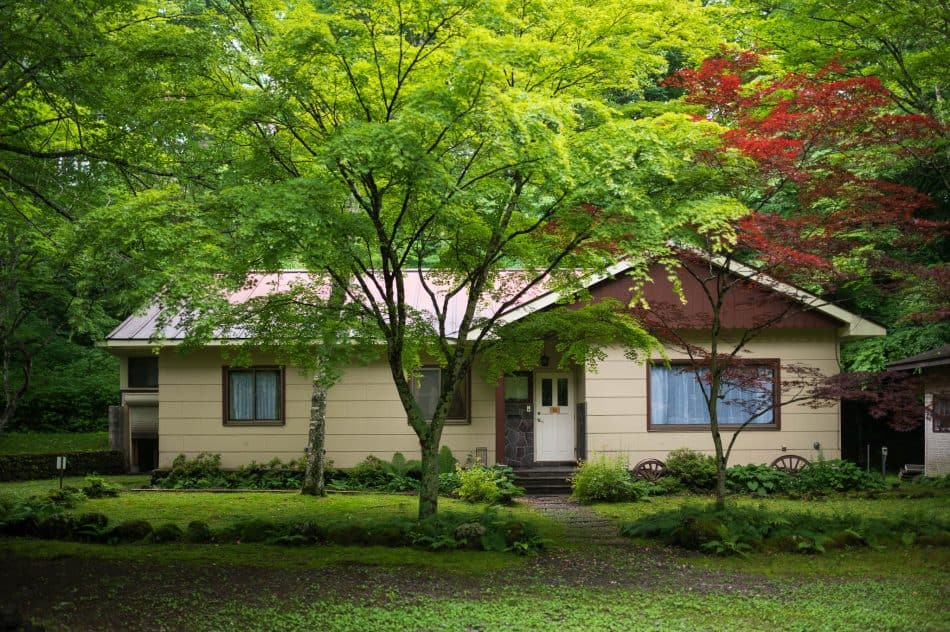
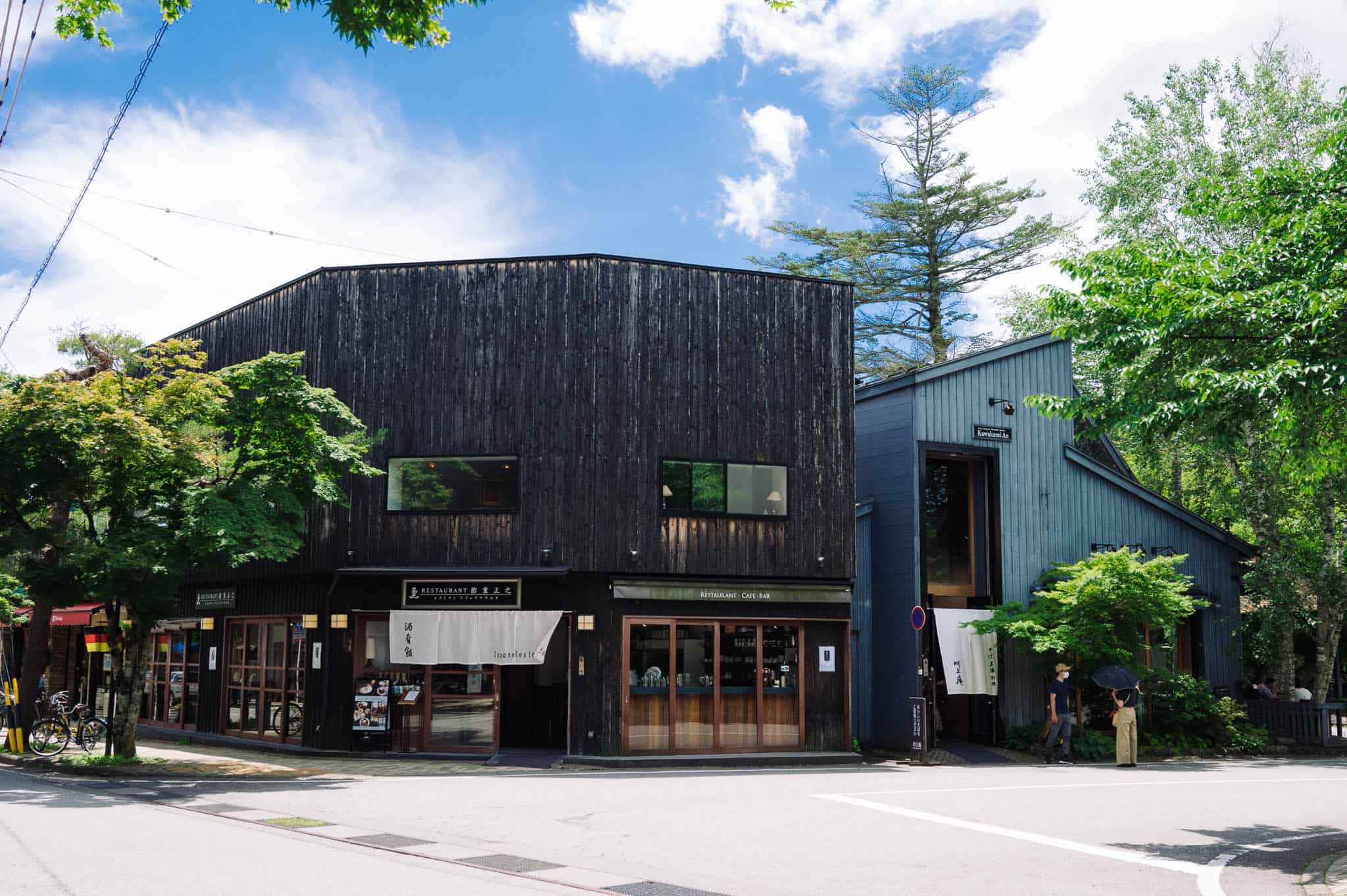
I was surprised to learn that one of the other early adopters of workation was the town of Karuizawa in Nagano Prefecture, where I spent a few days doing photography work for a local Christian retreat center. The playground of Tokyo’s powerful and wealthy since the Edo Period (the former Emperor met the Empress on the tennis courts in Karuizawa), I wouldn’t have expected Karuizawa needed to enhance its reputation as a workation getaway.
Of course, everything changed in the Spring of 2020 when the coronavirus crisis struck and Japan slammed the doors on foreign tourists and tourism fell an astounding 99.9% virtually overnight. 4 months later, the roadmap for reopening the country to foreign tourism is as murky as ever. This is why workation has risen to the forefront of Japan’s tourism industry as a means of saving the economy.
For the foreseeable future, domestic tourism is the only tourism that will be going on in Japan, and unfortunately, Japanese workers aren’t the most reliable at taking a vacation. Work culture shames those who dare to exercise their right to take a vacation as it is seen as placing a burden on all the employees still at work. Workation, therefore, is the perfect solution, allowing workers to continue to shoulder at least part of their work responsibilities while also encouraging people to sustain the tourism economies of the rural parts of Japan.
The government is pushing the already aggressive fiber network infrastructure project dates up even further and practically begging local cities to take advantage of it by creating spaces for Japanese workers to take workation. Some towns have taken the call seriously, even renovating old buildings using public funds to be used as shared office spaces for mobile or vacationing workers.
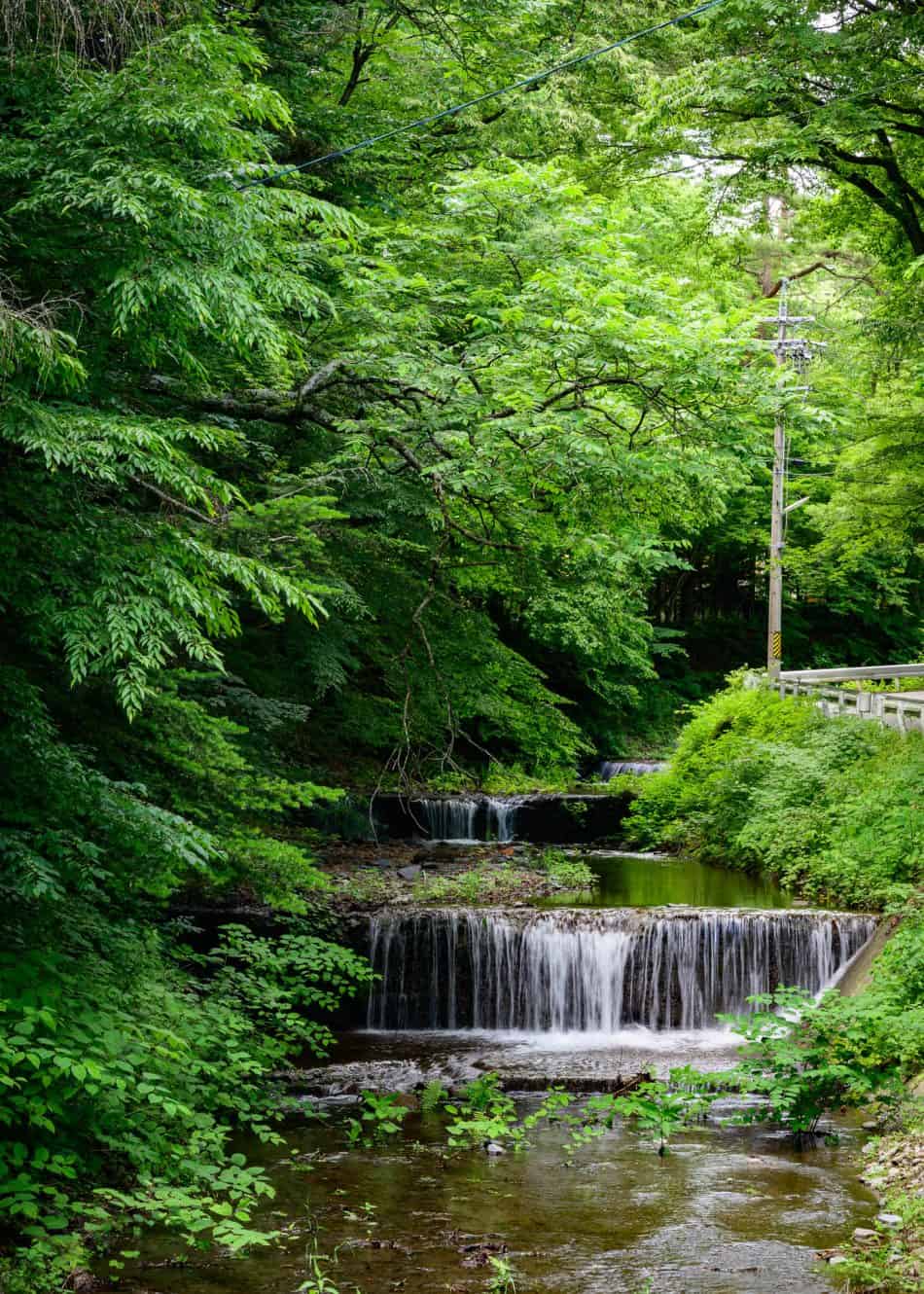
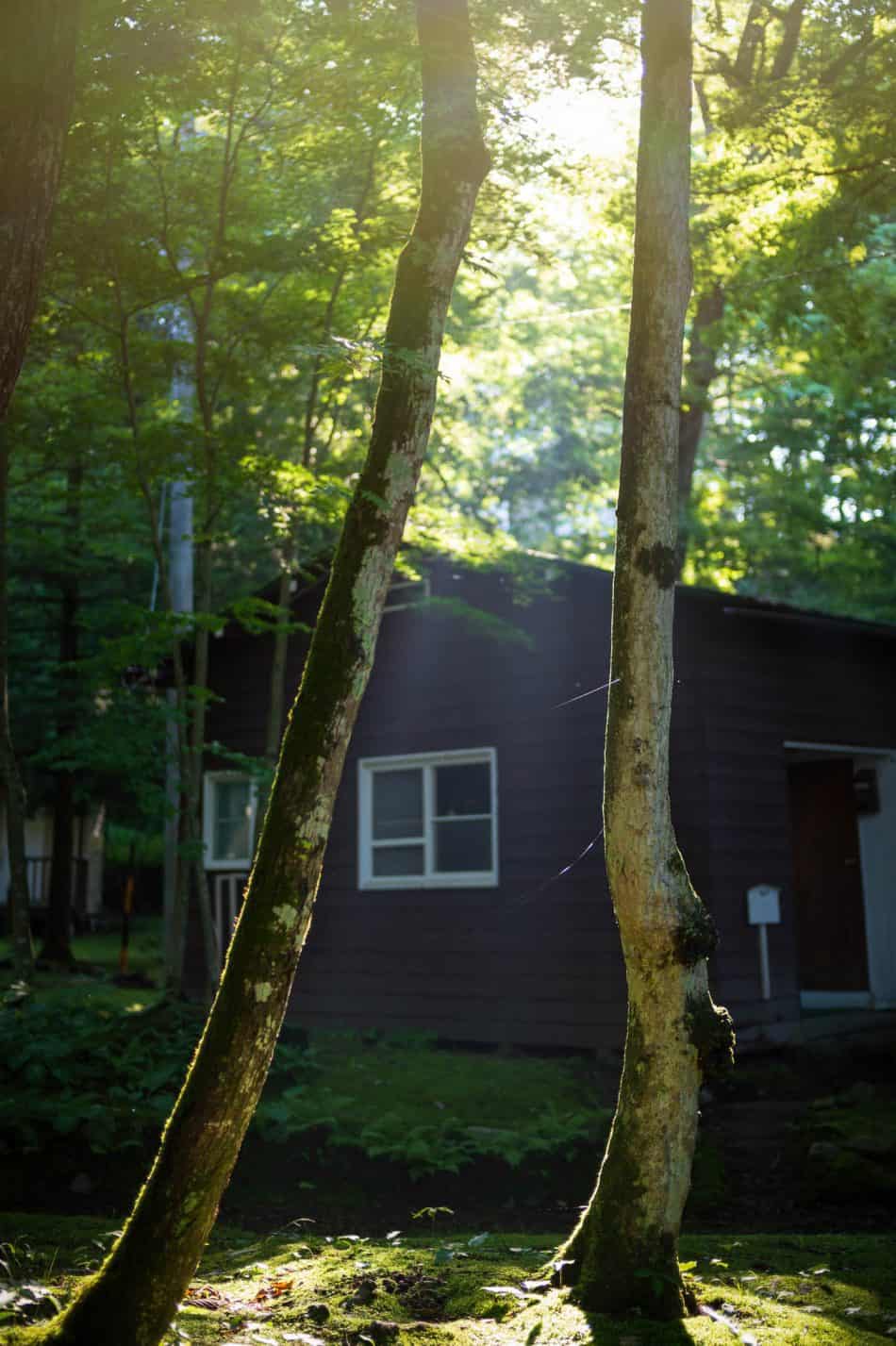
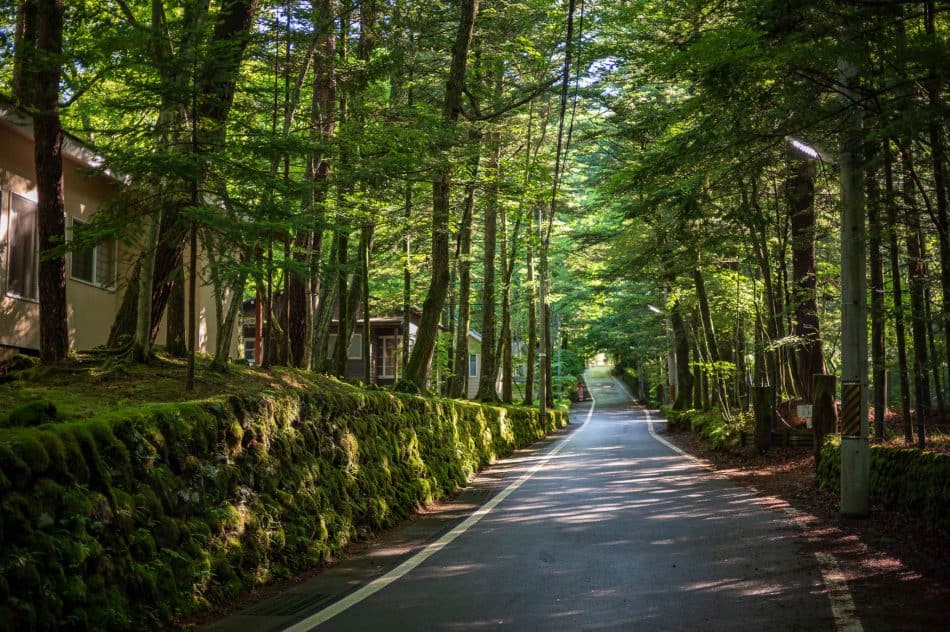
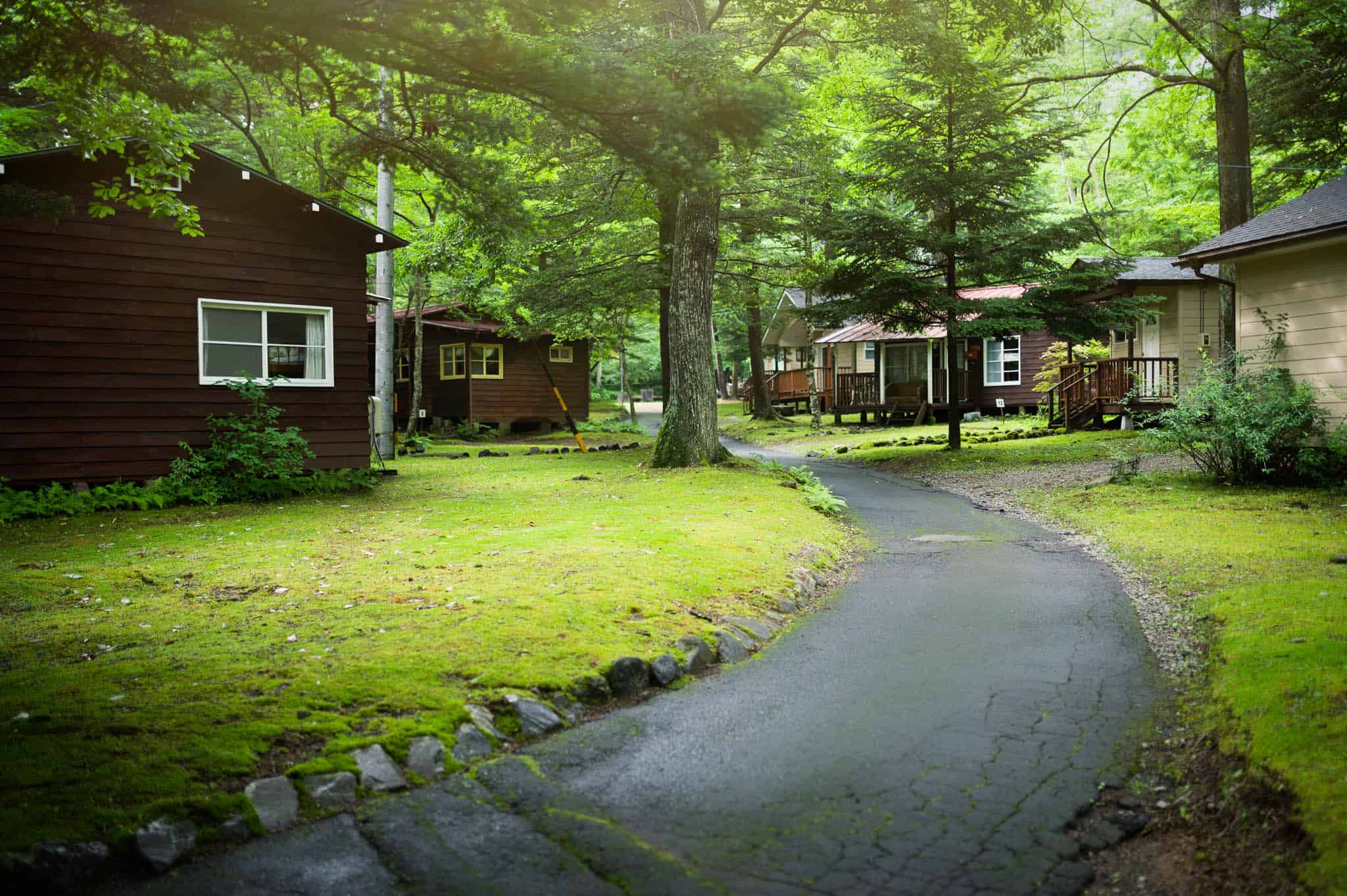
Of course, the majority of work I did in Karuizawa did not require heavy Internet usage, but if it did, the cabin we stayed in was equipped to handle video conferencing calls and file transfers. Later this month, our family will be heading up to another part of Nagano Prefecture and I will be testing out the workation environment there a little more heavily with daily Zoom calls and working on shared files using Google Suite. I’ll report on that later, but for now, enjoy a few photos of the relaxing forest greenery of Karuizawa.