
As I have been in negotiations for a full-time position at a company I have been freelancing for, I have been “practicing” to be a full-time worker again after 8 years of freelance work. One of the perks already was joining the company for a social gathering in Kyoto last week.
Boarding the Shinkansen on a Monday morning, I arrived in Kyoto in just over 2 hours from Tokyo station. One of the things I love about taking the train in Japan is that even if I missed my train, the next train to Kyoto leaves less than 10 minutes later, so the stress of travel is greatly reduced as opposed to if I were catching a flight to the same destination.


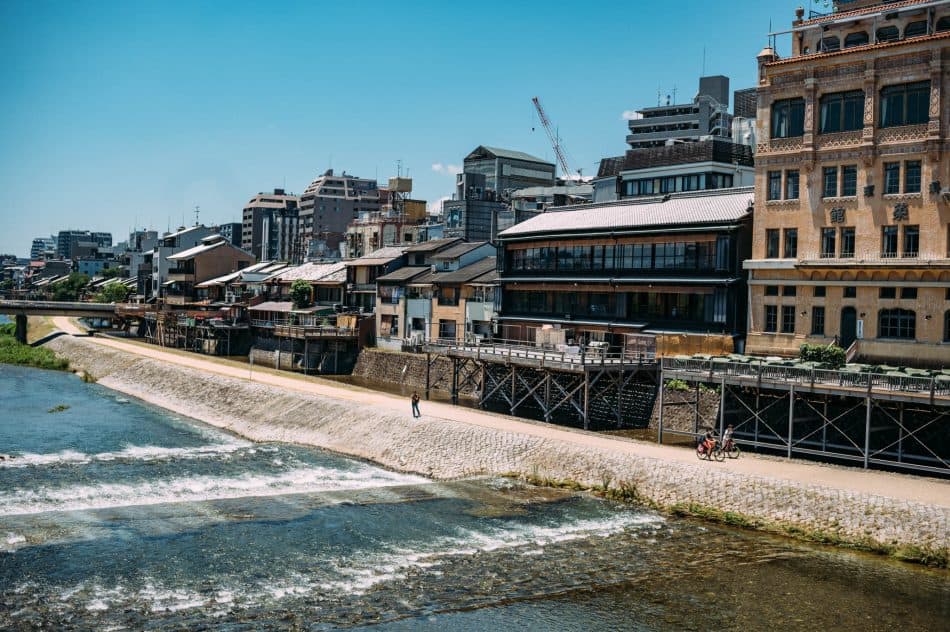
After an enjoyable and productive meeting with my future team members, I woke up early on Tuesday for a walk around “post-tourist” Kyoto. The coronavirus has locked 98% of Japan’s international tourists out of the country for the time being, and I was interested to experience Kyoto without the typical crowds.
Higashi-Honganji temple isn’t a typical tourist destination, even less so at 6:30 in the morning, so I wasn’t expecting many people there as I wandered its enormous grounds. The Founder’s Hall of Higashi-Honganji is the largest wooden structure in the world, so large I couldn’t fit the whole building in my photo with my widest angle lens.


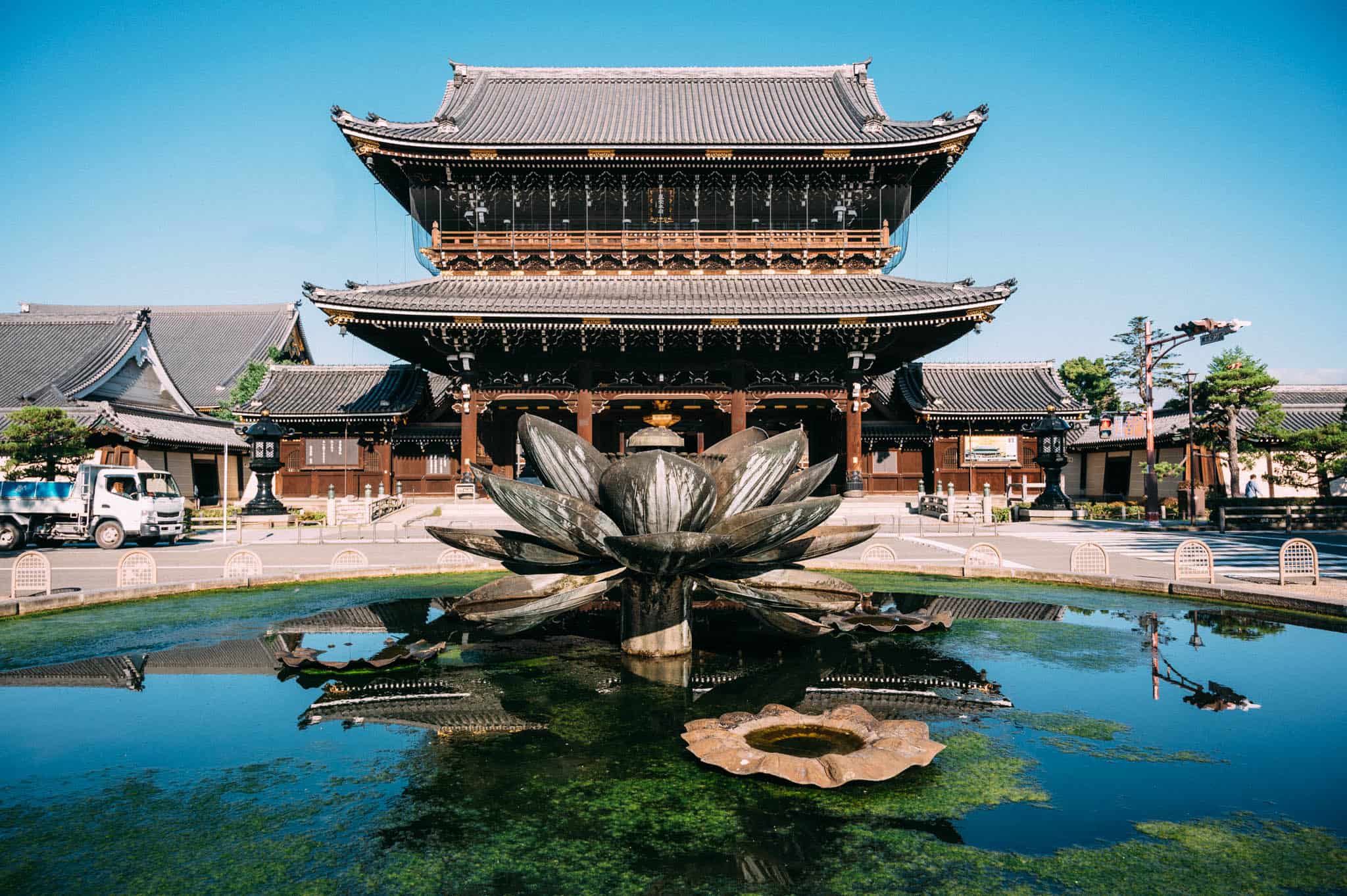
Even crazier, though Higashi-Honganji is a very large temple by itself, it is merely half of its original size as Tokugawa Ieyasu found the temple to be too powerful as a potential rival to the Shogunate and ordered the temple to be split into two separate temples. Nishi-Honganji temple is a few blocks away and hosts some equally awe-inspiring buildings on its spacious grounds. Though I didn’t visit it and instead headed to the famous Toji Temple with its ancient 5 story wooden pagoda.


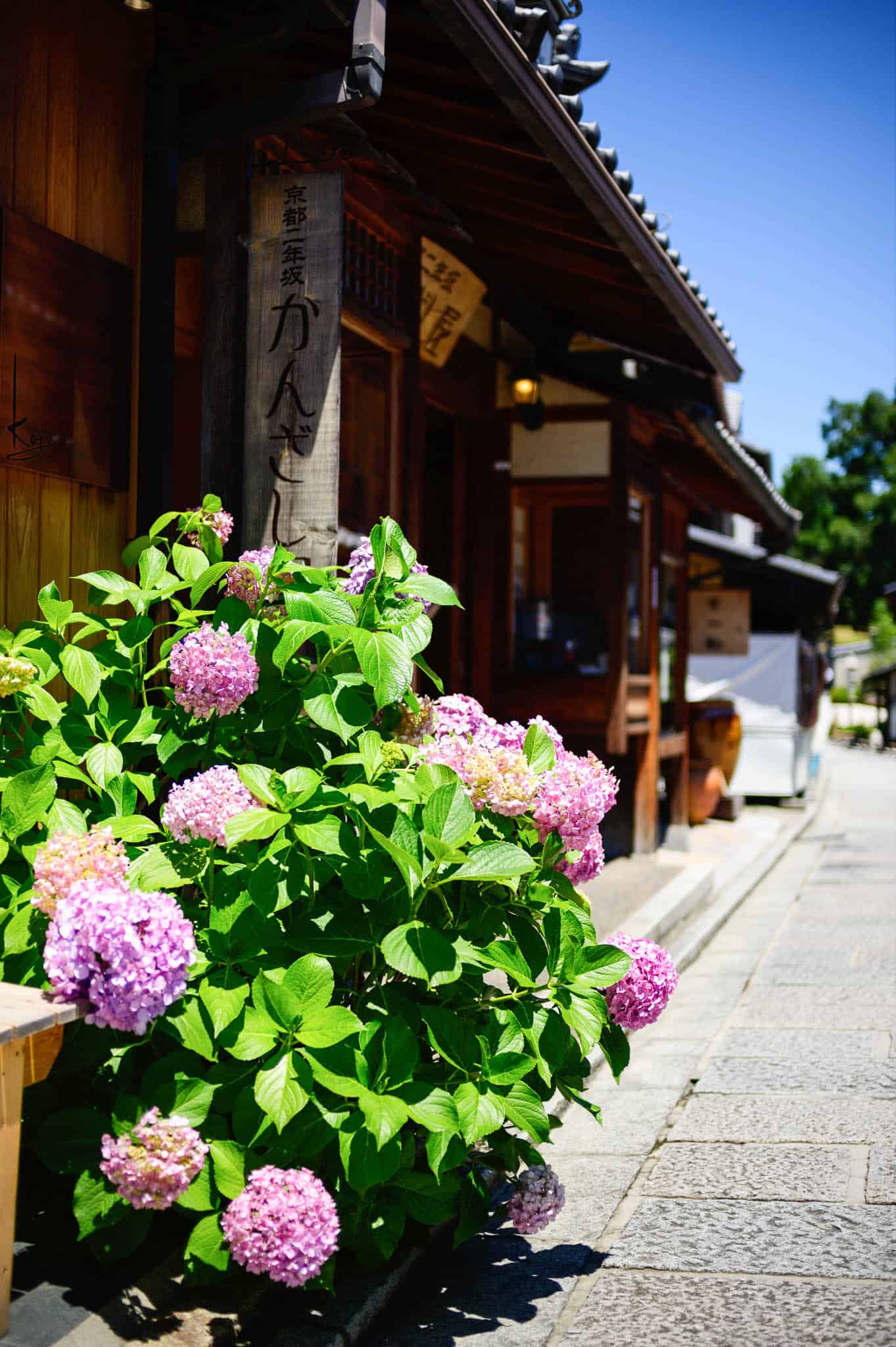
Walking the streets of Sanneizaka and Nineizaka an ancient shopping district usually packed with tourists, there was barely a soul around. To be honest, the initial joy I felt at being able to photograph the lovely area without needing to compete with crowds of tourists melted away quickly as I realized the many shops lining the streets were open for business that was never coming that day. The economic impact of the coronavirus pandemic on Kyoto is very real and very tragic. I wonder how long some of these small businesses can stay alive as the borders between Japan and the world remain closed.


In other parts of the city frequented by locals, the streets are slowly returning to life. A new Blue Bottle coffee shop had a constant stream of business as I sat with my colleagues talking about work while enjoying an iced coffee. The little restaurant we ate lunch at was full, albeit with fewer tables than they would have had before coronavirus.
Japan has mercifully been spared from being as hard hit by COVID-19 as many other countries in the world. A lot of things broke in Japan’s favor, most importantly in my opinion, the acceptance of wearing masks in public by the majority of the Japanese people. Long before there was coronavirus, people had developed habits of wearing masks to prevent the spread of contagious diseases (or protect themselves from the horrible annual hay fever season). While Japan is not out of the woods, the situation is certain under better control than many other countries.
Riding home on the evening Shinkansen, about 1 in 5 seats were occupied, mostly by weary salarymen and women making their way home. We all dutifully wore our masks and I felt no fear or stress from health-related dangers as I drifted off to sleep for the ride home. This was, after all, soon to become my new life, zipping between Kyoto and Tokyo as a employee and other less-traveled parts of Japan as a writer/photographer. I might as well learn to love it.