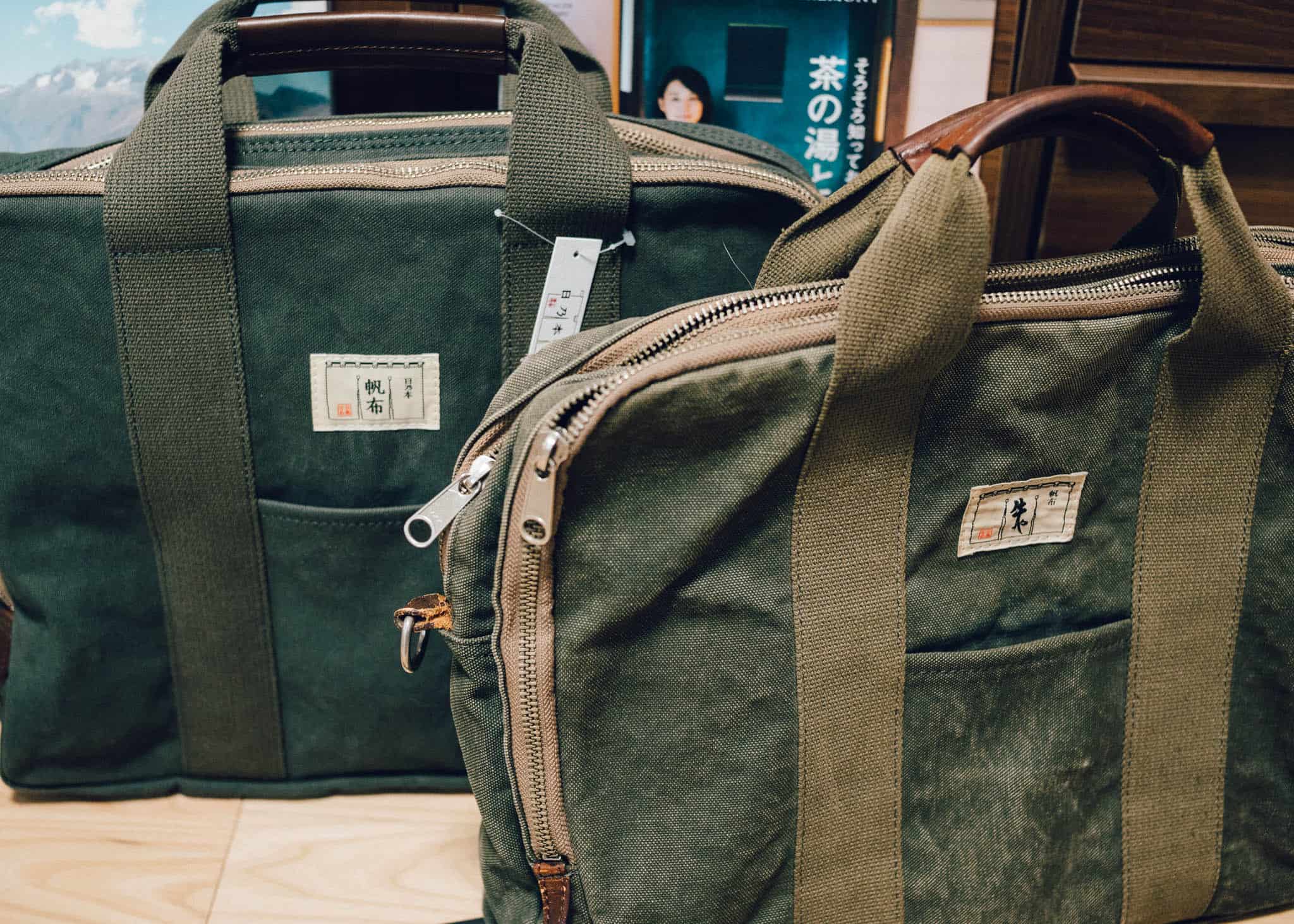
Like a nervous kindergartner on the way to his first day at school, I clutched my new bag tightly on my lap as I sat on the crowded train to Shinjuku. It was a day of firsts for me: the first day of face-to-face Japanese lessons at my language school since the school moved exclusively to online lessons in early March. The first time to work at my company’s shared office space in Marunouchi next to Tokyo Station. And the first time to take out my new bag.
The bag in question was a replacement for my favorite work bag. It was a new version of the same bag that had grabbed my attention hanging in a stall at the Kawagoe Antique Market. A well-loved, army green canvas briefcase, material worn thin at the corners, and dark brown leather handles. To me, it could have been the property of Indiana Jones himself and there it was, calling out to me like the Holy Grail among tea bowls and Buddhist prayer statues.
Though I bought it at a bargain price, the bag was obviously past its prime. To me, that was part of its appeal, and in truth, it received many approving nods and verbal praise from friends and associates. But after a couple of years of faithful service, one of the leather straps was not going to make it through another season, and when it eventually tore through it would be putting my expensive laptop in peril.
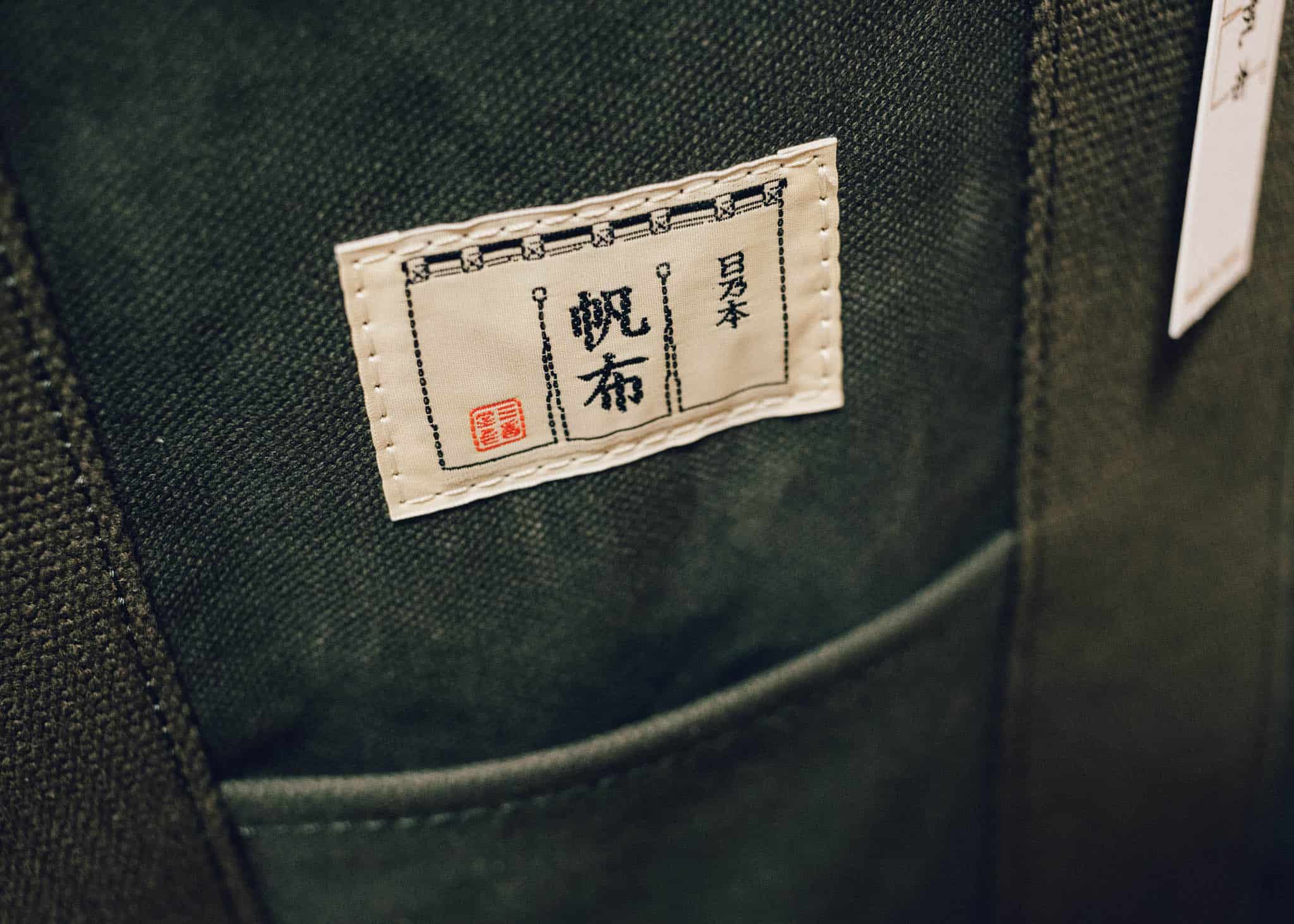
My first thought was to have the leather replaced at a leather shop, but the early estimates I received took my breath away. I concluded I could probably purchase a brand new bag for the cost of replacing the two leather straps to which the shoulder strap were clipped. Unfortunately, because I bought the bag from an antique fair, I knew nothing about it. There were no tags of any sort inside the bag, and on the outside, a small tag with Japanese kanji that I had yet to learn to read.
Finally, I was saved by magic. Well, saved by sufficiently advanced technology, but to me, it appeared to be magic. Google Lens eventually found a website for me with a canvas bag sporting a label similar to mine. And that led me to the official website of its manufacturer, Sankodo, a Yamagata company that has been making handmade canvas goods since 1985.
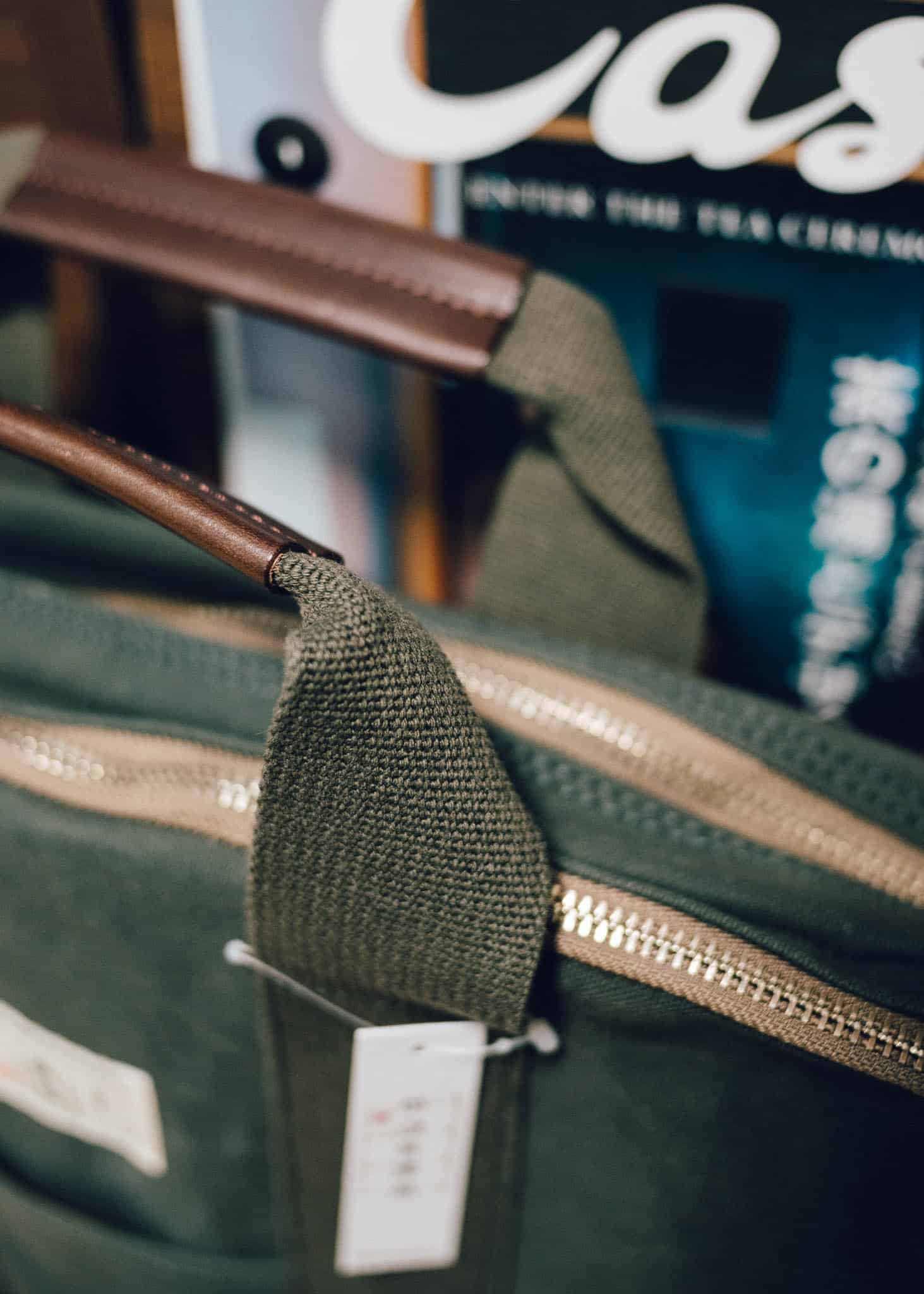
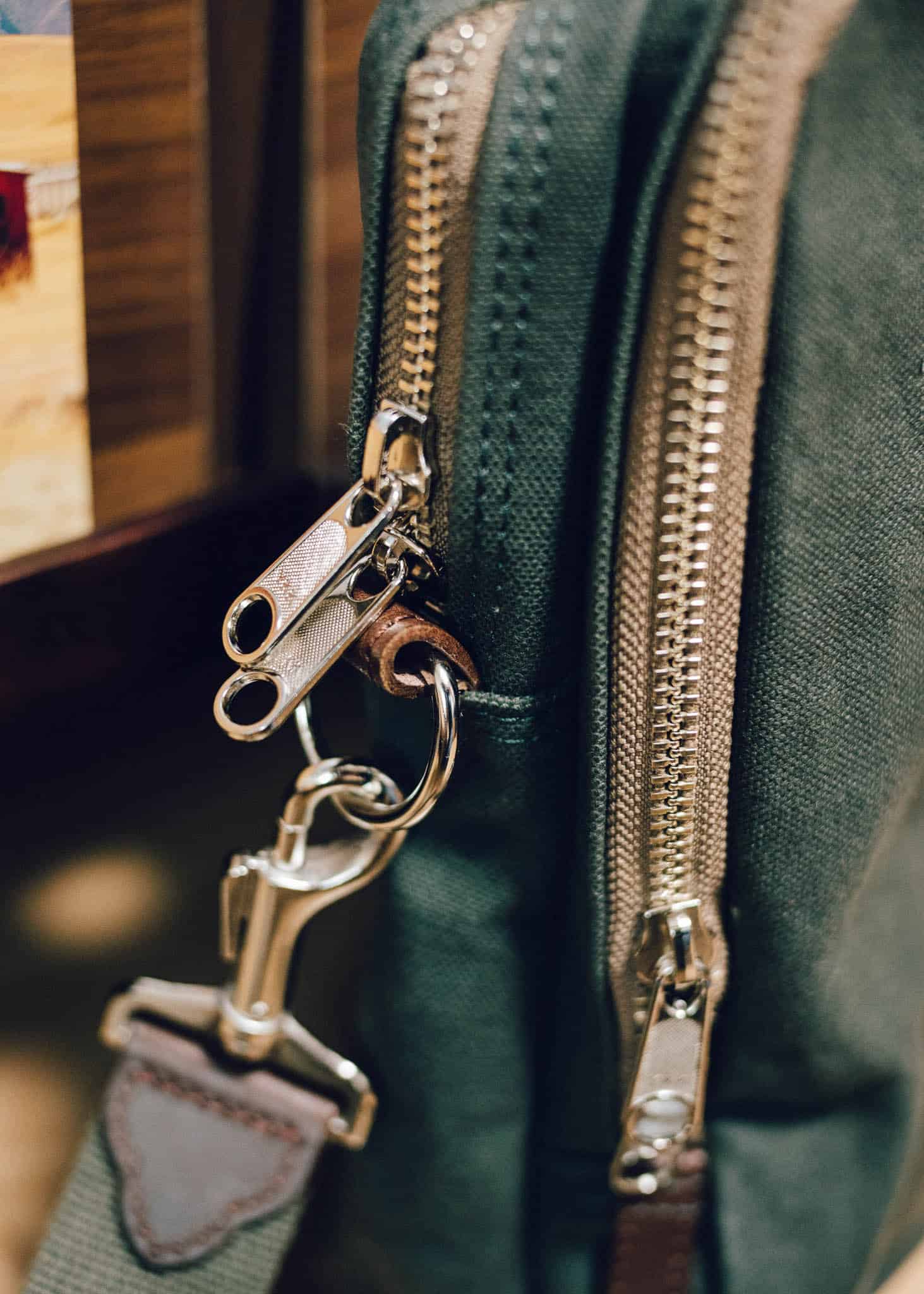
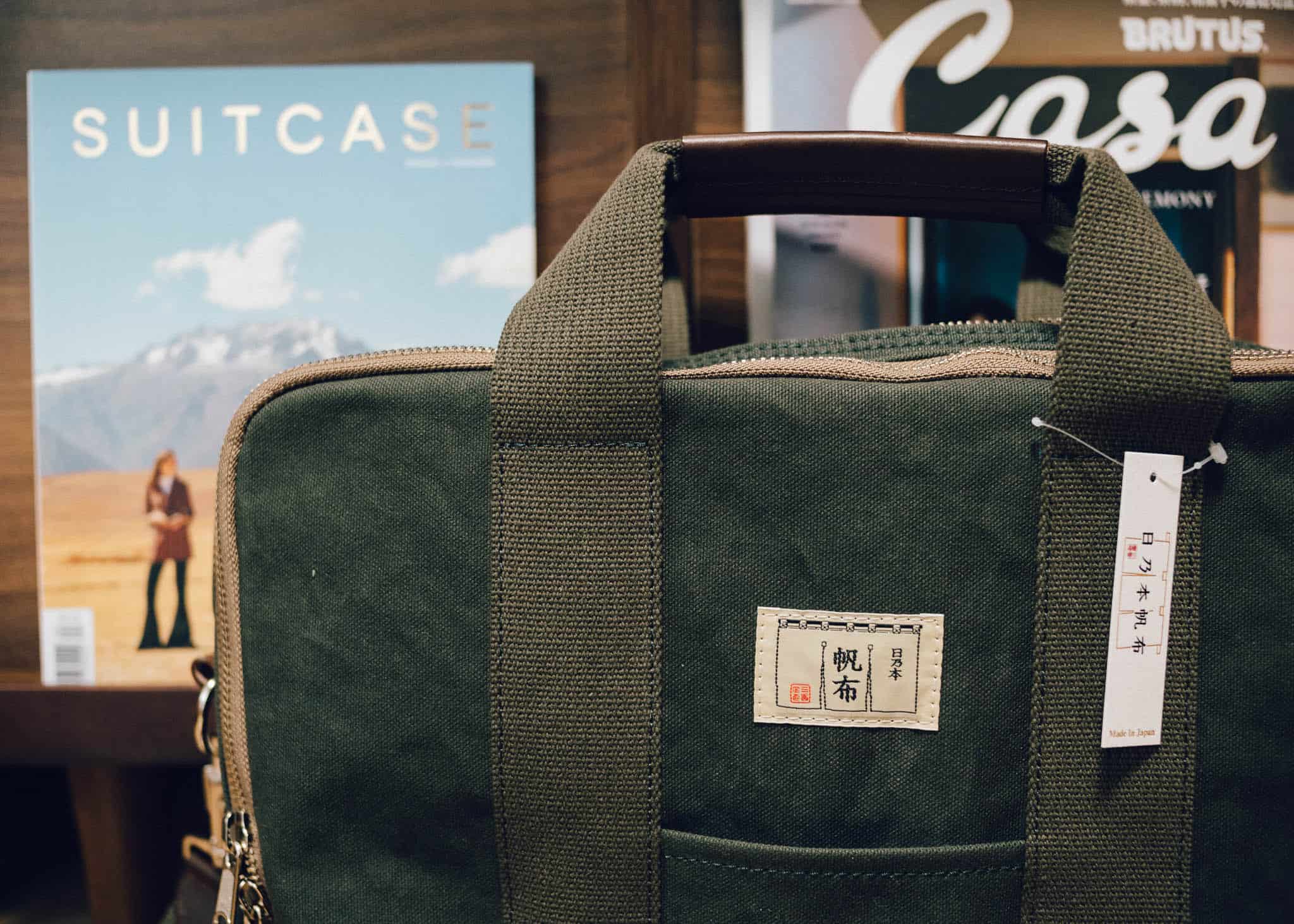
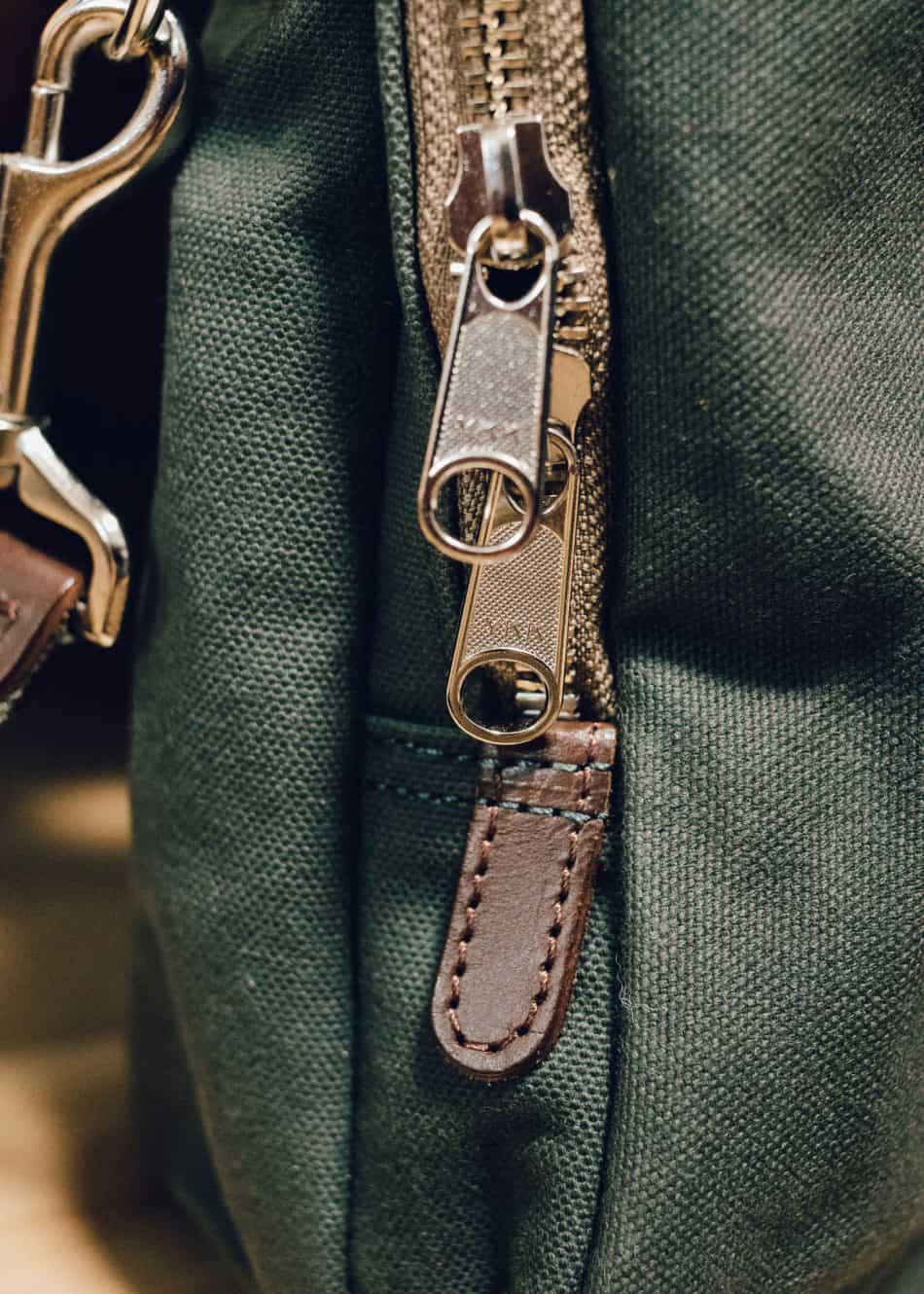
It was the quality of my original bag that impressed me, and I wondered if the new bag would be manufactured with the same standard of quality they had in the past. It turned out my fears were unfounded as not only was the quality of the materials and stitching solid, they had even made some improvements. One of the large inside pockets was now segmented into smaller pockets and the extra stitching created a stronger attachment to the handles. The beefy YKK zippers somehow were even beefier, and instead of a dull shine, now shimmered with chrome. Moreover, the main shop was located in Tokyo’s venerable Yanaka neighborhood. I should have known. All good things eventually lead back to Yanaka.
The merits of a good quality canvas bag are many. It’s a fairly light material when compared to leather and can endure a rougher treatment before starting to appear unprofessional looking. Sankodo uses the same canvas used to make boat sails, which is highly durable and coated with wax to make it waterproof. The canvas naturally softens as you use it, molding more to your body and feeling more a part of you as the years go by. A high quality canvas bag can last decades, unlike a nylon rucksack which ends up in garbage dump in a few years, stubbornly refusing to decompose.
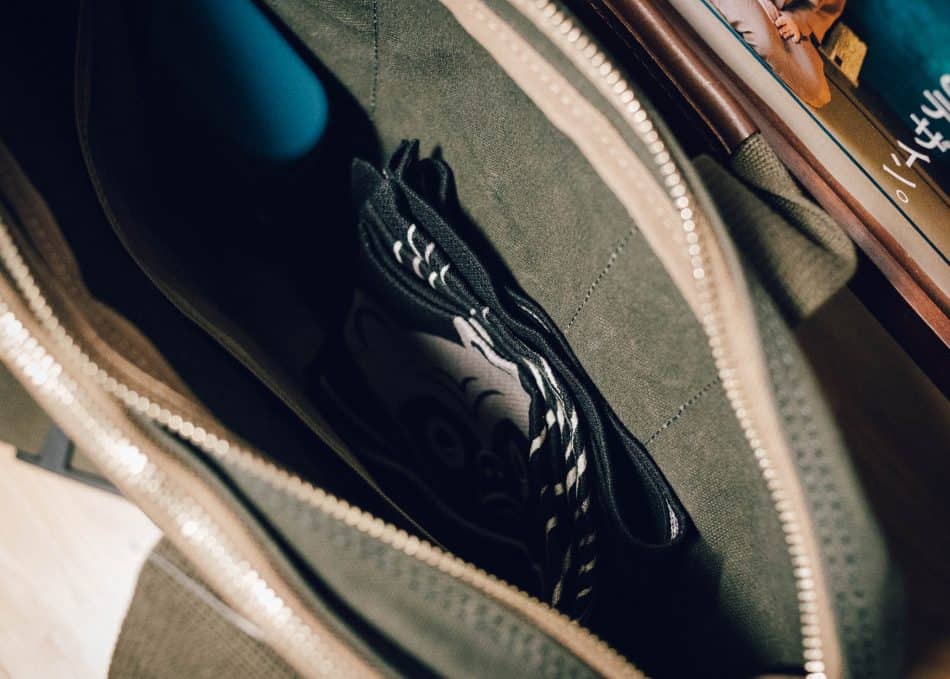
Transferring my belongings from the old bag to the new felt a lot like moving from the house I grew up in to a house that just cleared escrow. There was a bittersweet feeling as I placed my old bag next to its successor. Though the new bag was is better condition and could be counted on not to fumble my laptop while running to catch a train, it lacked the wear of years and battle scars that gave my old bag its character. I couldn’t bring myself get rid of the old bag, so I packed it away in the closet thinking one day I would repair it and hand it down to one of my future grandkids on their first day of work. Or perhaps, I am just a hoarder.