
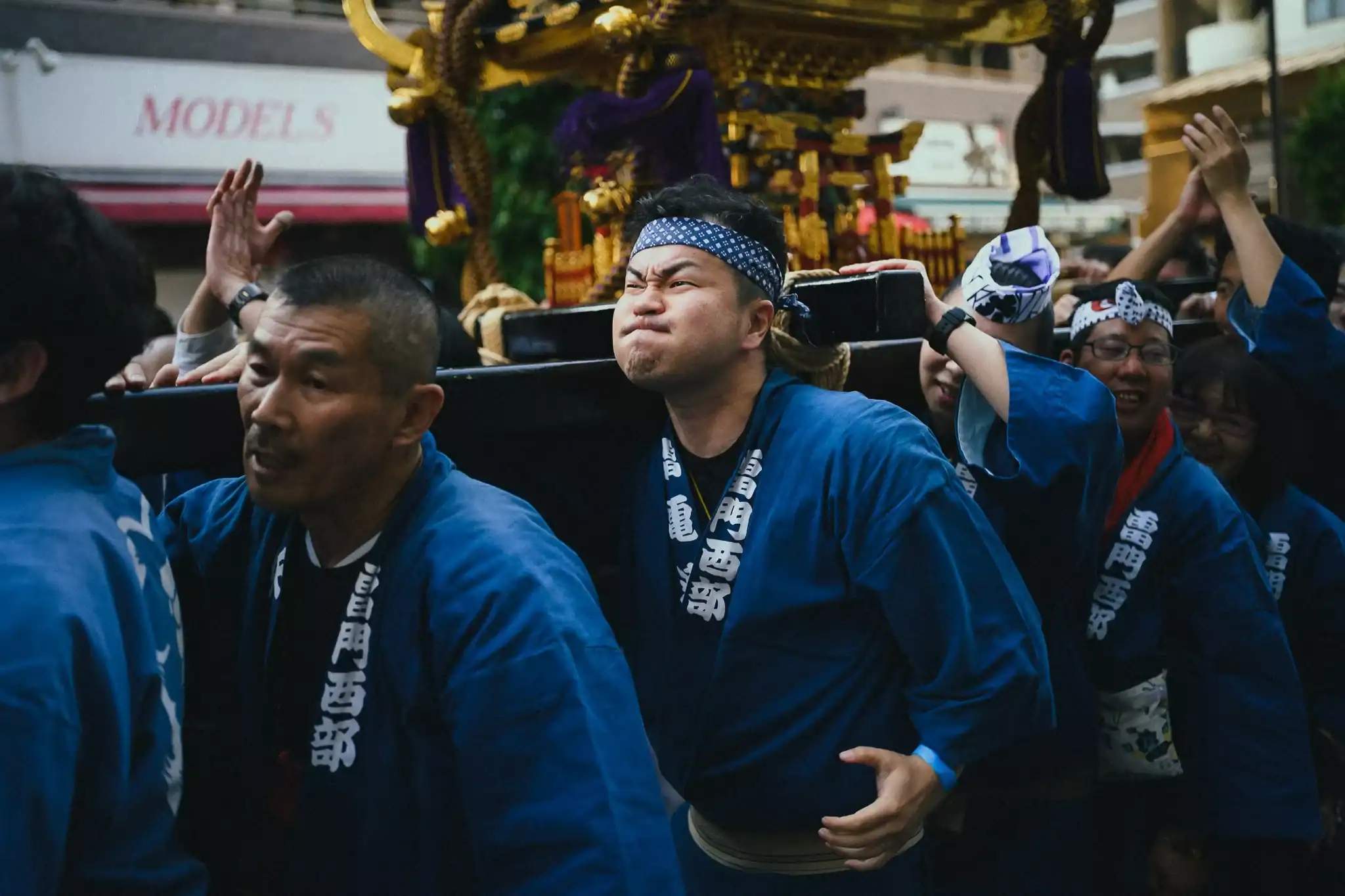
If you spend your holiday in Tokyo or Kyoto and feel like these popular destinations are overrun with tourists now, the Japanese government’s response to you is “Hold my Asahi Super Dry.”
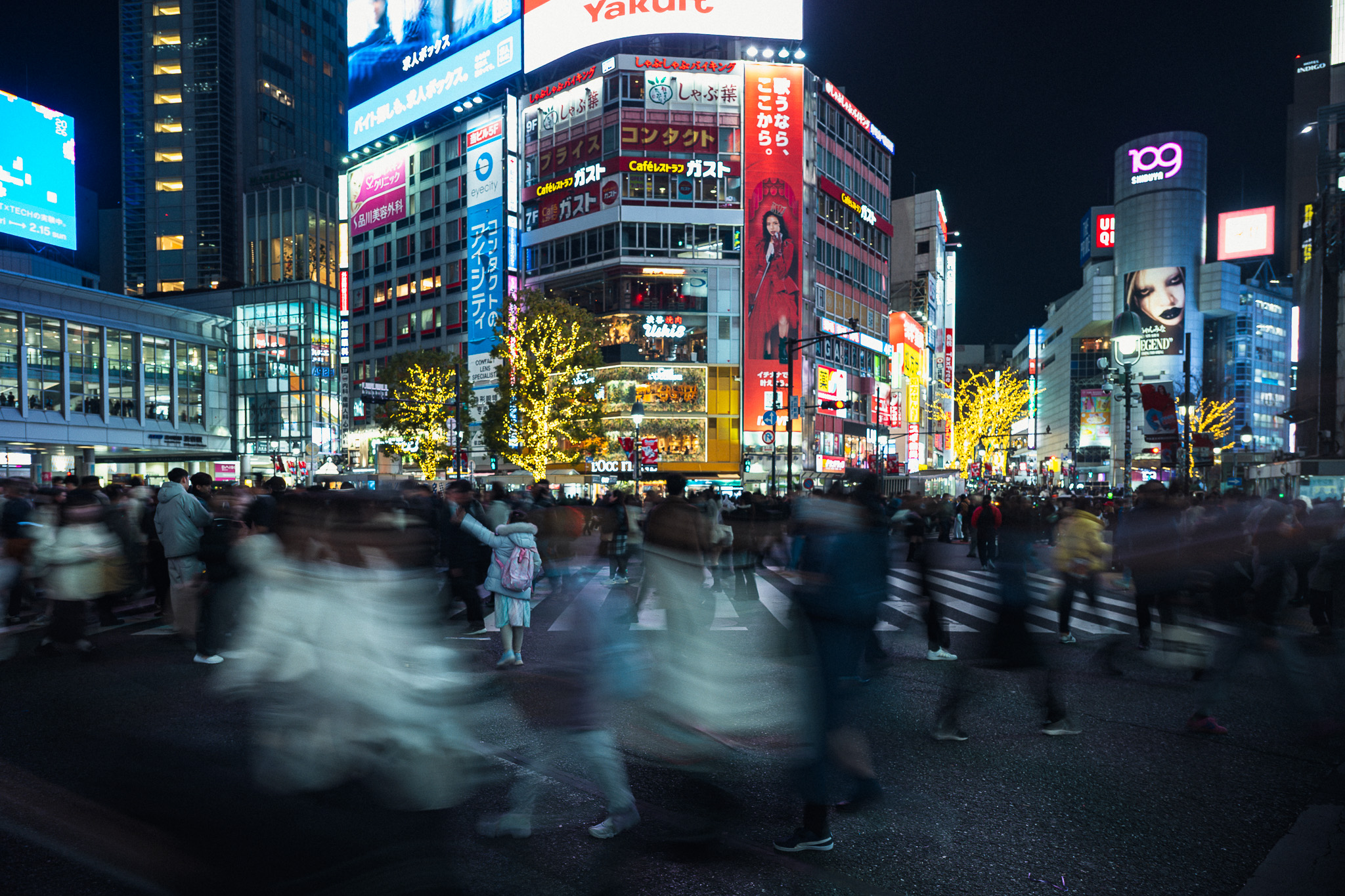
What seemed an audacious goal of 40 million visitors per year by 2020 was surpassed in 2025 after a COVID-19-induced delay, and the government quickly moved on to its 2030 goal of 60 million visitors per year. Meanwhile, the average Kyoto and Tokyo city dweller has suffered a loss in quality of life in some way. Overcrowded public transport, increased prices in food and accommodations, and irritations or sometimes legitimate problems of having several hundreds of thousands of people unfamiliar with Japanese culture in your city every day are now regular struggles.
But this isn’t another rant against tourism in Japan. I’ll state it plainly: Japan relies heavily on tourism to support its economy, and this will only become more important in the future. The question isn’t whether Japan should have goals to increase tourism revenue; the question is whether the strategy behind those goals can mitigate or avoid the issues Japan faces today.
This is a nuanced look at some of the challenges Japan faces in achieving its goals, from an outsider’s perspective, by someone who has worked in the inbound tourism industry for the past eight years. I’m not an economist or a marketer, but I’ve worked in the trenches and understand how both the victims of over-tourism and the overlooked destinations longing for tourists are feeling. So let’s try to determine whether the government’s long-term strategy and its implementation will solve the growing problem of overtourism in Japan, starting with the basic question: Beyond quality-of-life issues for local residents, what kinds of problems is overtourism causing in Japan?
(This post contains affiliate links for which I may receive a percentage of a sale if you purchase after clicking – at no additional cost to you. Your support is much appreciated.)
The Disappearance of Authenticity in Tokyo and Kyoto
First of all, the surge in tourism has had a strong negative effect on the authenticity of certain locations and experiences in Japan. I’m not talking about districts like Shibuya and Ginza, which have long been cosmopolitan and whose cultures do not change with the presence of a large number of overseas visitors. I’m talking about places that were once labeled as “local” or “authentic” but have fundamentally changed to accommodate tourists.
Yanaka Ginza is a relatively short shotengai shopping street in an old neighborhood of Tokyo that survived the WW2 Allied bombings that leveled most of eastern Tokyo. A decade ago, it was best known for being home to dozens of stray cats, which could often be found lounging in the sun next to its iconic sunset staircase at the eastern end. Otherwise, it was, like most shotengai, the shopping and socializing area for local residents. Cheap food, mom-and-pop shops, and a sense of community were the draws here. It was truly a slice of Tokyo life that its residents preserved effortlessly.
Walk down Yanaka Ginza today, and more than half of the people you encounter are tourists, judging by the mix of faces, languages overheard, and selfie-sticks brandished. More importantly, many of the original shops and restaurants have disappeared, replaced by tourist-focused chain shops and stand-up restaurants serving foods locals don’t regularly eat. Many of the rickety old buildings lining the street that gave the area its charm have been torn down and replaced by new, modern-looking buildings that wouldn’t be out of place in trendy areas like Harajuku. Which is fine, if you like Harajuku, but you don’t visit Yanaka Ginza to see that. Thankfully, the cancer of progress has not yet infected most of the narrow side streets surrounding Yanaka Ginza, but it is creeping, claiming more and more old buildings and family-run businesses. Until one day, whatever charm Yanaka once had will be forgotten, and it will become just an alternative to any other touristy neighborhood of the city.
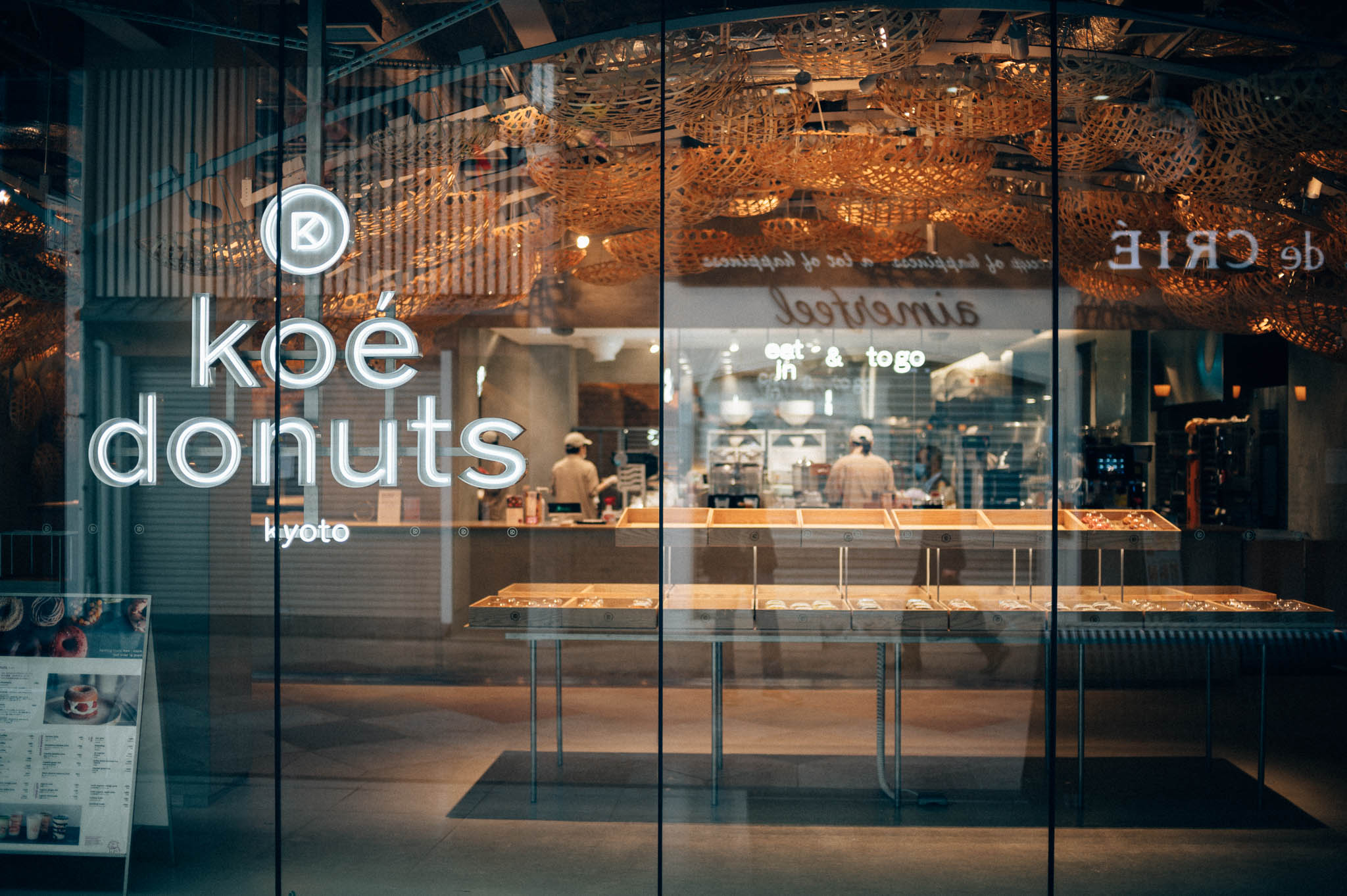
As for Kyoto’s iconic Nishiki Market, the effects of overtourism are terminal. My last pleasant memory of this once local market will be from rewatching Netflix’s “The Makanai,” where one of the lead characters shops for traditional ingredients for Japanese cuisine, as locals did at Nishiki Market for centuries. This market has thoroughly succumbed to the lure of tourist money, leaving fewer and fewer original businesses still worth visiting. I hate to write it off completely, as even long-over-touristed Asakusa still has many traditional gems to be found by wading through the kitsch, but the fact is, I avoid Nishiki, as do many of my local Kyoto friends.
Japan Theme Park – And I Don’t Mean Disneyland
One of the common rants you’ll hear from Japanese nationals against over-tourism is “Don’t treat my country like a theme park.” And in most cases, I wholeheartedly agree. But most complaints concern tourists blatantly disrespecting or disregarding cultural norms. I’ll take it a step further and suggest that this “theme park” mentality is rarely intentional, and most often, the offender doesn’t even know they are offending. Importantly, we can’t put all the blame or responsibility on the visiting tourist. What gets ignored in this problem is how forces within Japan are promoting this type of attitude, whether deliberately or not, for profit.
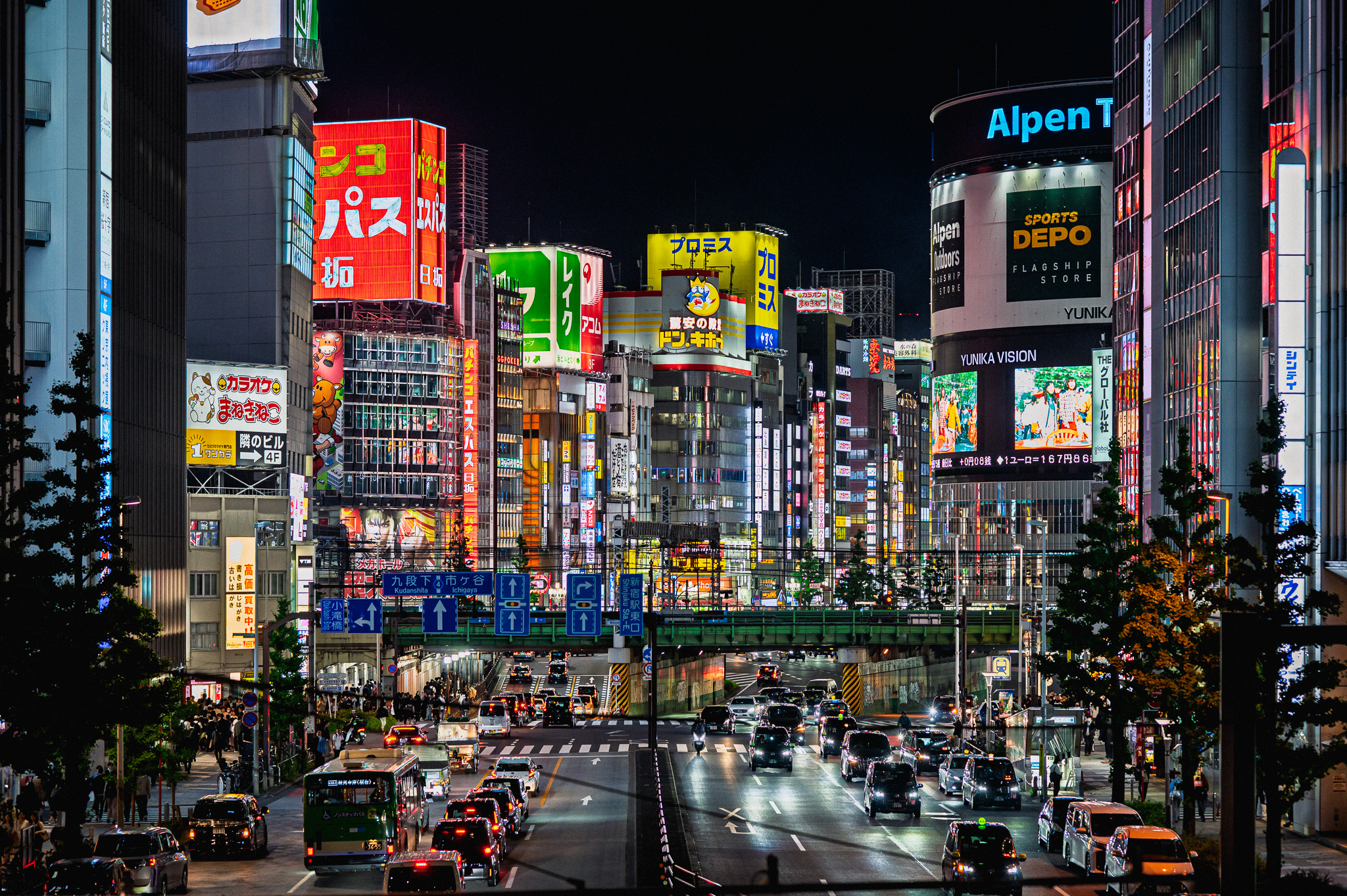
Let me give an example, although I don’t mean to single out any one type. If you search for things to do in Tokyo or Kyoto on a major experience platform, you will inevitably find a number of workshops for making your own pair of chopsticks. Full disclosure: I did it once to photograph and write about it for one of my clients, and it was a moderately entertaining experience in a workshop full of clearly foreign tourists. When I finished, I left with a pair of amateurishly produced wooden chopsticks and no additional understanding of Japanese culture whatsoever.
This type of business caters to overseas tourists who have the “theme park” mentality about Japan. Oh, they won’t admit they do, but who would? But the fact that most of their customers think making their own chopsticks is some kind of cultural experience in Japan demonstrates an extraordinary level of cultural ignorance. Imagine if I went on holiday to the US and came home with a crooked, handmade fork, believing I had experienced real American culture.
Even seemingly harmless experiences like kimono rentals promote this “theme park” attitude. There’s nothing wrong with wanting to wear an authentic kimono to feel the craftsmanship and understand the philosophy behind its beauty. But paying 20 bucks to have a made-in-Southeast-Asia polyester robe thrown on you in 12 minutes flat so you can walk around taking selfies isn’t a cultural experience. You might as well put on Mouse ears and ride “It’s A Small World.”
Dissecting the Government’s Inbound Tourism Strategy
As long as there is a willing audience of tourists and easy money to be made, these pseudo-Japanese experiences will always exist. If your ideal Japan vacation includes eating Kobe beef on a stick, dressing up like a ninja, and being served cute plates of food by girls in maid costumes, nobody has the right to infringe on your guilty pleasures. The solution to this issue is not to eliminate these types of experiences but to elevate the authentic ones, to make the dialogue of a Kabuki play ring out as loudly as an anime BGM.
The issue of maintaining authenticity while addressing the problems caused by over-tourism is only indirectly addressed in the MLIT (Ministry of Land, Infrastructure, Transport and Tourism) white paper outlining the strategy through 2030. I say indirectly because the gist of the plan is to distribute inbound tourists more evenly across the entire country, and the overall effect will be that visitors will experience more traditional and less polished experiences like staying in a minshuku (traditional-style inn) or learning to weave banana fiber into one of the world’s rarest textiles.

Having skimmed through the details of the national government’s plan, I find that it accurately identifies many of the issues in getting tourists out of over-touristed urban areas and into other regions of Japan. These include creating regional “cluster” destinations that can be curated into unique travel experiences, working with various transportation companies and authorities to increase access to more remote areas, and incentivizing the renovation of historical buildings, such as former samurai residences and sake breweries, into quality accommodations. What they have sorely misjudged is the effort and expense required to implement solutions at the local level, along with the long-term strategy for sustaining tourism to these areas.
Along with the useful ideas included in the strategy, there are a few zingers. The first, and possibly the least well thought out of these, is the sharp increase in local accommodation taxes in over-touristed destinations like Kyoto and Tokyo, an effort intended to discourage visitors from staying in these cities. The most obvious problem is that everyone pays the accommodation tax, so it affects not only overseas visitors but domestic tourists and businesspeople alike. Accommodation prices are already higher in these cities due to supply and demand, so sharply increasing this tax imposes greater hardship on the domestic market, which is already struggling with the cost of travel.
The other major issue with the plan is that it focuses too heavily on the luxury market: travelers who will spend more than ¥1,000,000 per person (about $6,250) on their trip to Japan (for comparison, the 2030 target for the average per capita spend is ¥250,000 / $1,560). Anyone who has traveled in Japan outside the most developed tourist destinations knows that the infrastructure (luxury accommodations, food, and activities) isn’t nearly developed enough for this market in 90% of the country. I stayed on Amami Oshima in 2021, a breathtaking island alternative to Okinawa for visitors who want a bit more privacy. To this day, five years later, not a single 5-star property exists there. I don’t know the details, but in all likelihood it’s the cart-before-the-horse conundrum. Not enough luxury travelers stay in Amami Oshima to justify such a property, and until it is built, there never will be enough. Does this mean Amami Oshima isn’t worth visiting for its pristine natural beauty and unique cultural attractions? Of course not, but visitors can’t expect their every need to be catered to, as some luxury travelers demand.
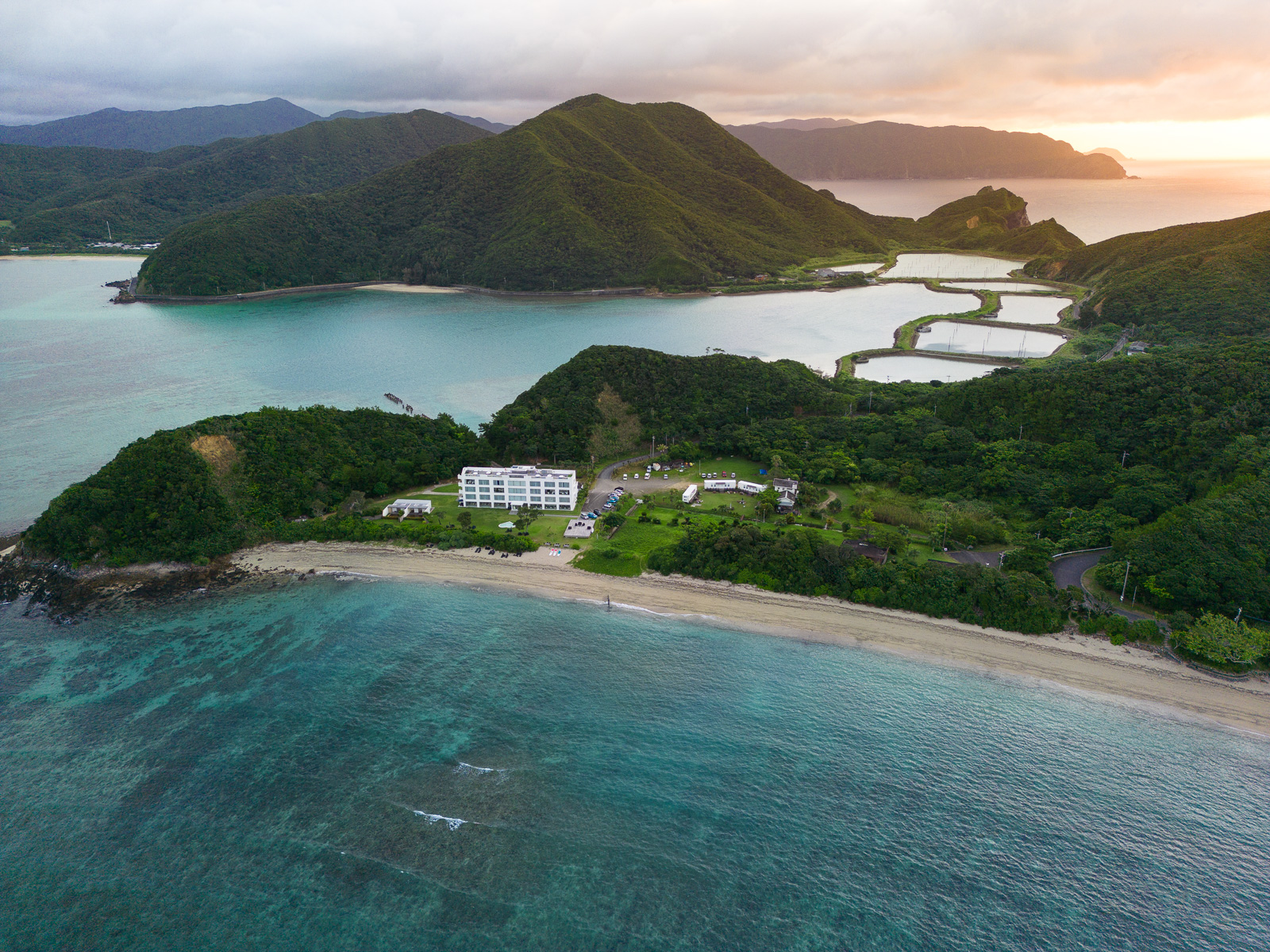
Small regional governments will never have enough capital to develop luxury-level accommodations and attractions on their own, and private companies won’t take financial risks on markets they aren’t completely confident will become reliable tourist destinations in the near future. This leaves the national government to cover the majority of development costs, and I doubt the taxpayers of Japan, myself included, want to gamble on the outcome of implementing a national plan at the local level.
And finally, there is the long-term sustainability of this model. Where does the manpower come from to support the spread of tourism across the nation? If there’s one issue that nearly everyone in Japan can agree on, it is that there is a major depopulation trend that cannot be slowed, let alone stopped, with current strategies. The one strategy that can defeat depopulation is the one the country is most divided on: increasing the number of foreign workers in Japan. A quality tourism service industry catering to international visitors relies on an international workforce that speaks their languages and understands their cultures. Apart from the fact that the domestic workforce is shrinking, the effort required to get a workforce of Japanese nationals to the level of proficiency needed to serve 60 million visitors a year is beyond the capabilities of any organization. I don’t wish to turn this article into a political debate, so I’ll just leave it at that.
Solving the Authenticity Dilemma
Let’s try to tackle the issue that is closest to my heart: keeping Japan authentic for overseas visitors. I believe the market for authenticity will grow rapidly over the next decade, but the question is how authentic experiences will be created and marketed to this growing audience. Where do the best ideas and implementation of those ideas come from?
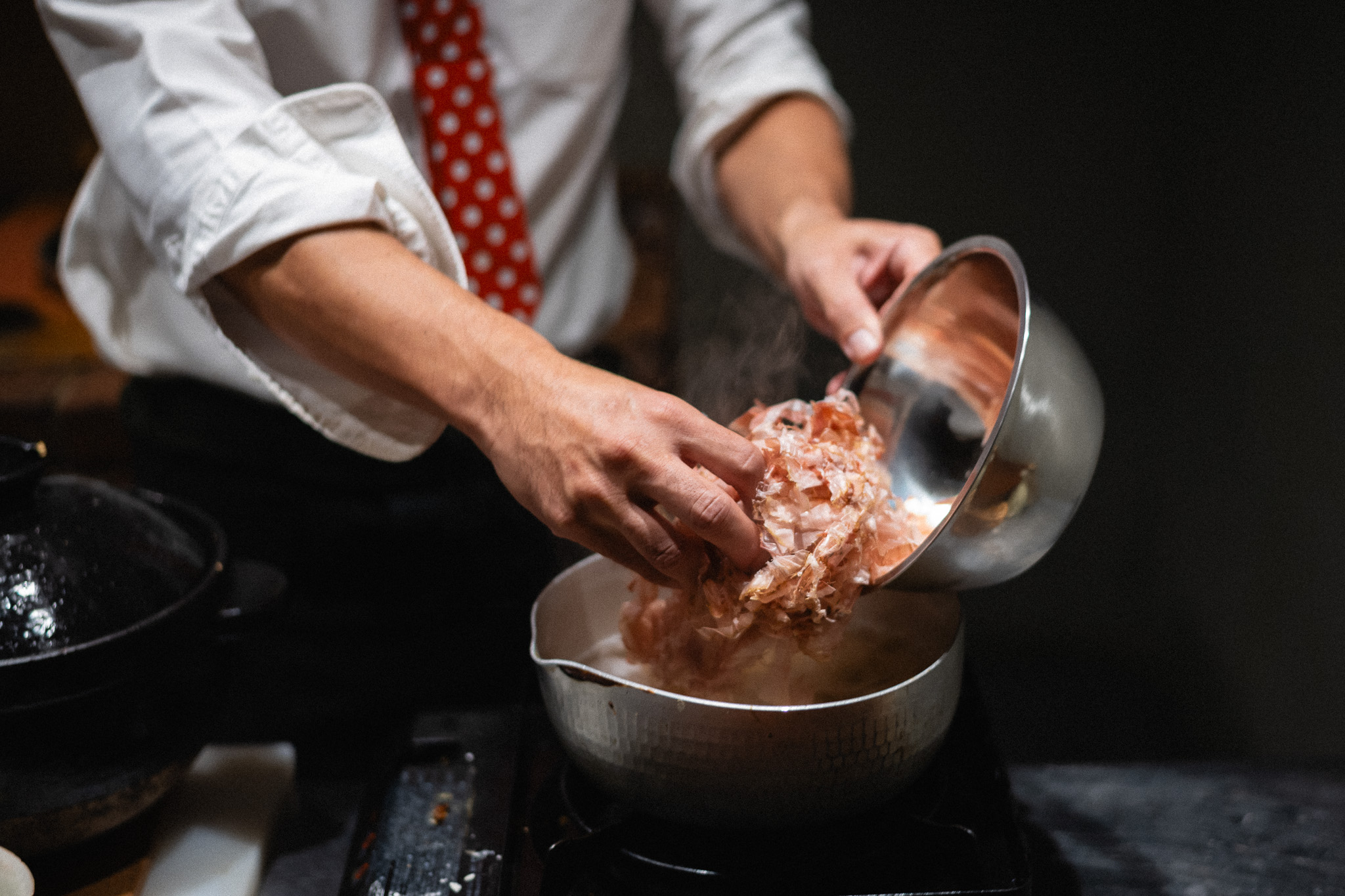
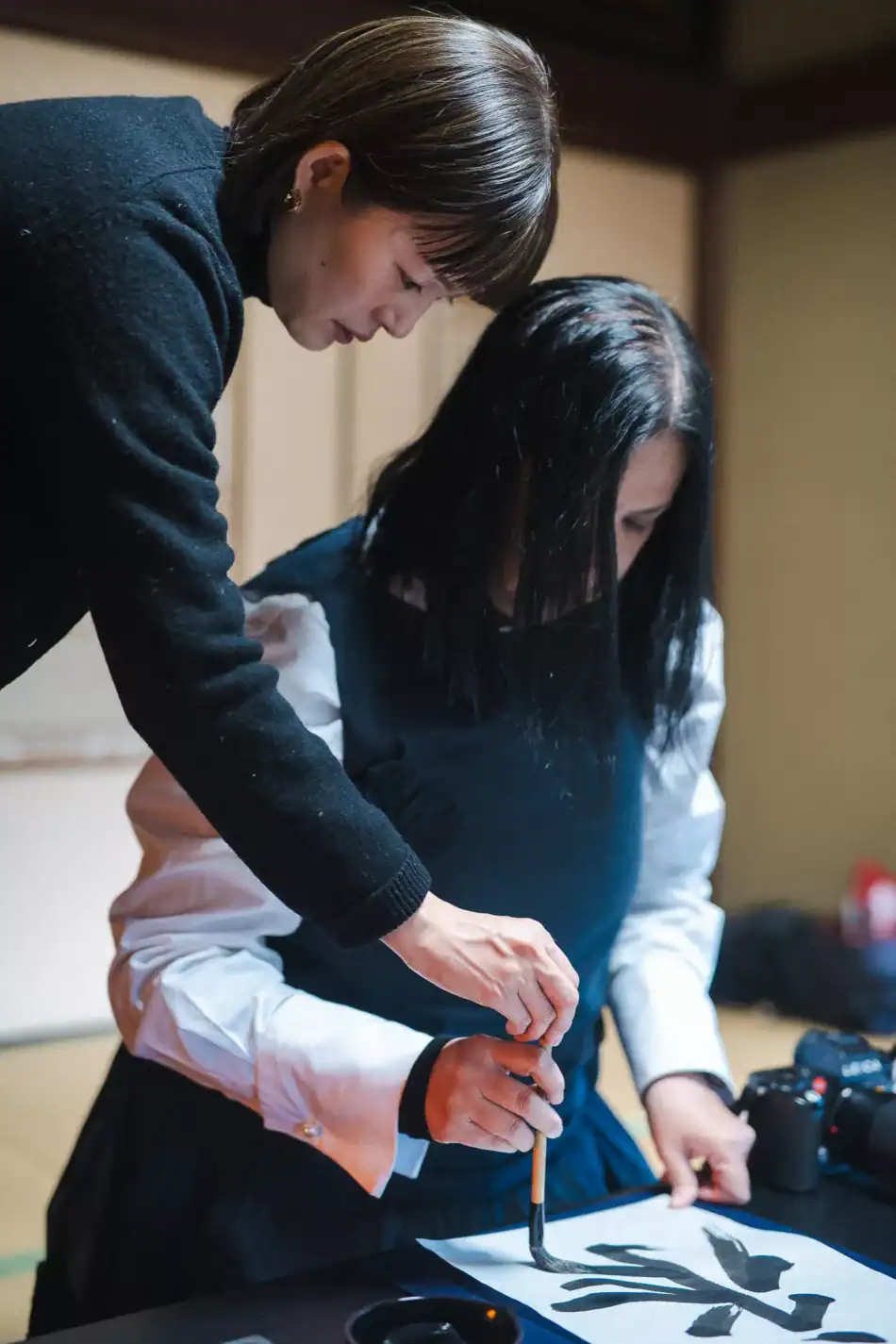
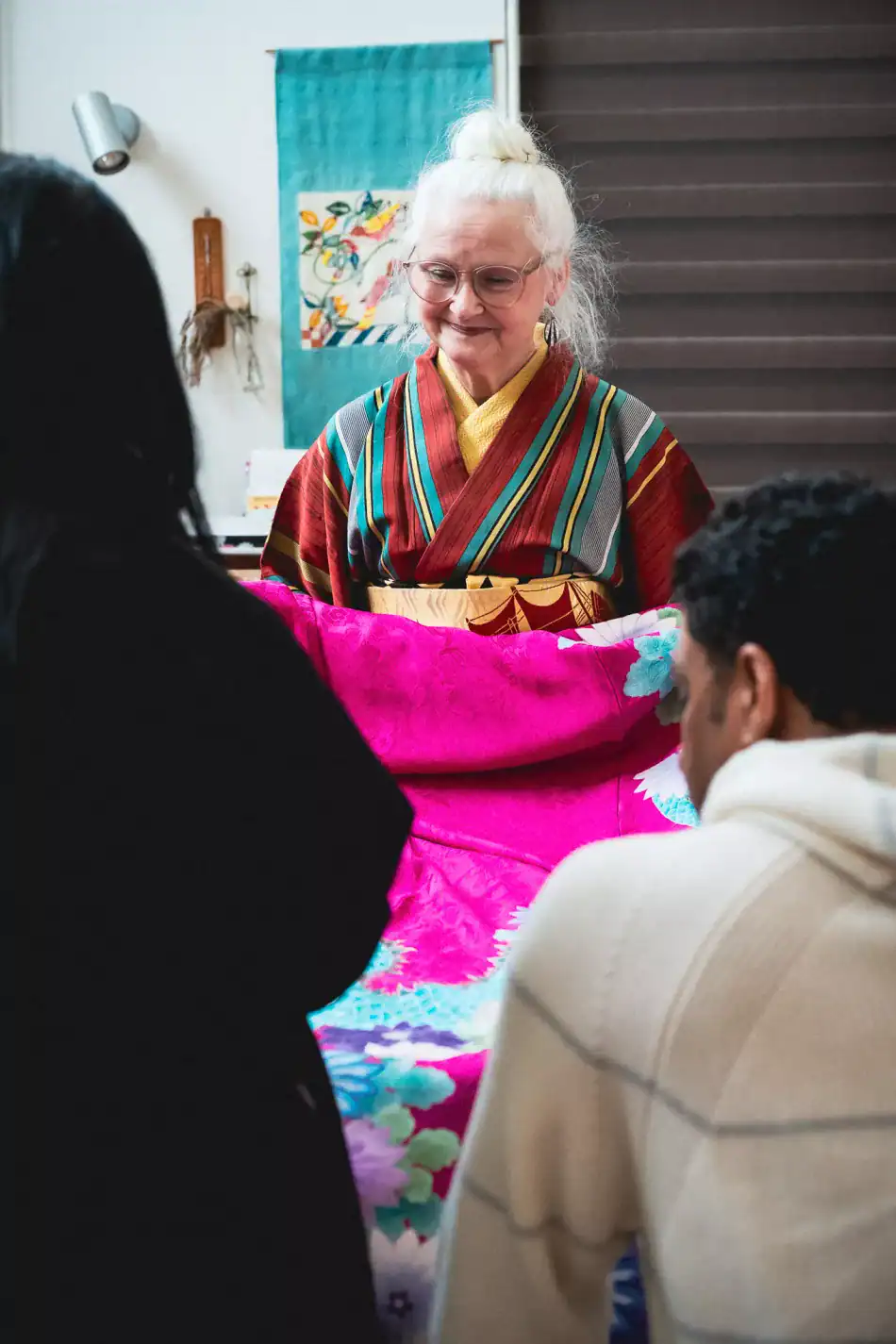
In my work with various individuals and organizations, the best ideas for authentic experiences I have heard and seen are usually developed at the local level by local entrepreneurs. Shinto priests who want to give a clear explanation of the Shinto religion and provide greater access to their shrine to overseas visitors. Kimono experts who want to give rare access to their private collections to visitors who are truly passionate about Japanese textiles and fashion. Chefs who want to demonstrate the secrets of traditional Japanese cooking techniques so that guests can replicate them when they return home. I root out these individuals like a truffle dog, and sometimes, I have the fortune to be introduced to them through my network. When their ideas are solid but need a little polish, I work with them to develop their experiences to the best possible level and help them get their experience offered on a premium platform. It’s something I am passionate about.
What sometimes works, but sometimes misses completely, are ideas developed by local tourism organizations. It often depends on the leadership of these organizations and how well they understand their target market, but many of these organizations view the domestic and overseas tourism markets through the same lens and miss the fact that the way Japanese people travel domestically and the way international visitors travel are vastly different. But often, they have ideas that are diamonds in the rough, and together we develop them into exceptional experiences.
The least effective ideas are those dreamed up by national or large-area organizations with little exposure to the areas they are in charge of promoting. Many of these ideas are generic, some are poorly researched, and the best ideas require personal connections with individuals that can only be achieved at the local level. You see the pattern here. Top-down strategies will not solve the authenticity problem. Grassroots movements spurred by entrepreneurs who are invested — financially, emotionally, or both — in the areas they represent are the true solution.
This requires a shift in mindset that I doubt the national government is ready to embrace. So rather than waiting to implement the national plan, I suggest that entrepreneurs, small businesses, and even small organizations such as DMOs seize their own destinies and develop their own plans to promote authentic experiences. But don’t do it in a vacuum; make sure your ideas resonate with inbound travelers by incorporating their feedback into your research. Focus groups, consulting sessions, or even foreign employees can help you make sure you are aiming at the right target.
This is a season of growing pains for Japanese tourism. Only within the last decade has inbound tourism to Japan exploded, particularly from Western countries, Southeast Asia, and the Middle East. Most tourists from these countries are first-timers with only a superficial understanding of Japanese culture, so it is natural that they can’t distinguish what is authentically Japanese from what is not. But as the market matures, repeat visitors to Japan will naturally gravitate toward the authentic, and the main question will be whether there will be enough experiences to meet the demand.