
Over 400 years ago, the Japanese Shogun Tokugawa Ieyasu established his seat of power in a swampy bayside fishing village far removed from the nation’s imperial capital of Kyoto. The sleepy town of Edo seemed an unlikely place to begin a dynasty, but Tokugawa Ieyasu’s wily unpredictability was partly responsible for him finally uniting the entirety of Japan, and he had his reasons for choosing Edo.
Its remoteness from Kyoto and Osaka and the traditional seats of power was not by accident, nor was it the only reason Tokugawa chose Edo as the capital of his regime. Connected to the defensible Edo Bay and several major rivers that could provide transportation inland, it was a military stronghold. The vast surrounding Kanto Plain also provided fertile farmland, and rice was as important to wealth and power as gold in those days.
But Tokugawa’s most diabolically strategic policy was sankin-kotai 参勤交代, the requirement of his vassal lords and their families to spend half of their time living in the capital. Traveling in large, expensive entourages and spending weeks on the road, the policy kept Tokugawa’s daimyos too busy and financially taxed to pose any major threat to the Shogunate. Of course, sankin-kotai required one important element — well-developed highways along which the daimyo and their retainers could travel. And so five highways were created connecting Edo to the major regions of Japan, collectively known as the Gokaido 五街道, the Five Roads. The roads were not restricted to the samurai lords, however, and soon the roads became widely used by commoners, creating a network of trade and tourism throughout Japan.
Travel the Gokaido Roads To Discover Ancient Japan
In a strange twist that only the passage of time can create, these five roads are now being revived not to bring Japanese people to the capital, but to help overseas visitors find their way out to the wonders beyond modern Tokyo. In 2026, the Kanto District Transport Bureau launched a campaign called the Edo Shogun Roads, promoting tourism locations in the regions and cities through which these ancient roads pass.
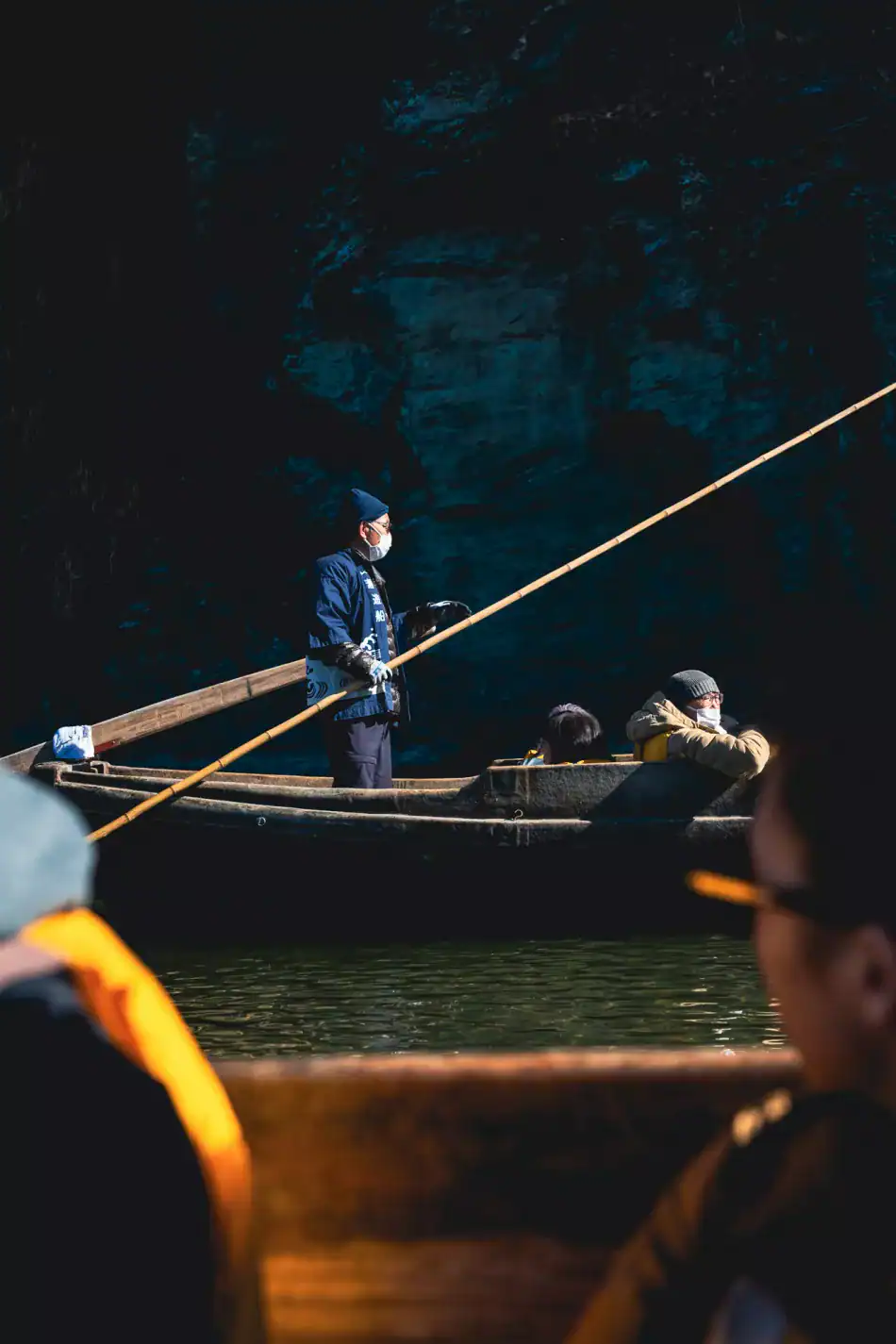
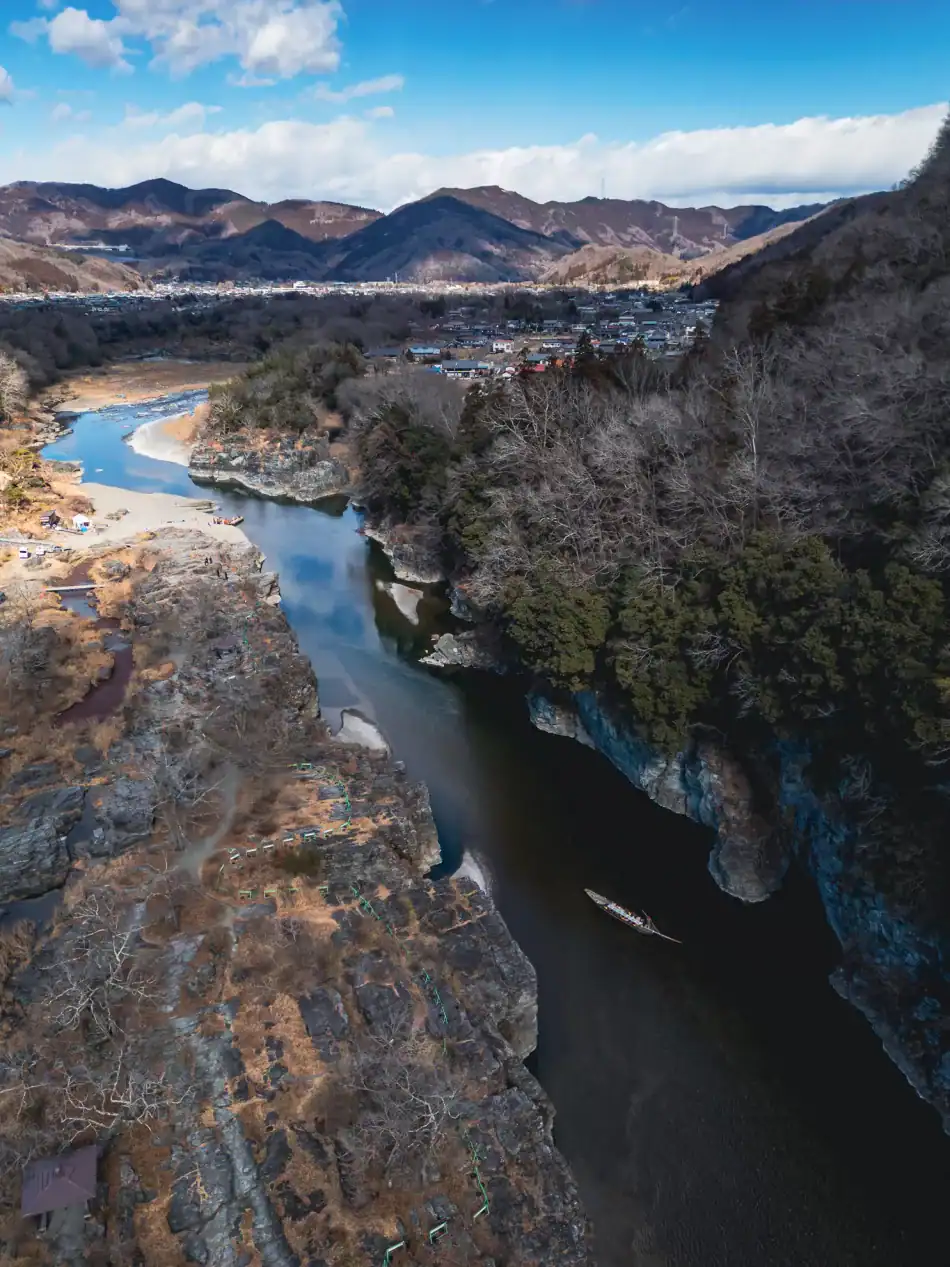
In one sense, this isn’t really something new. As a travel writer, I have been working on projects promoting these destinations for the past three years, and many of the star attractions are places I have visited (and, dare I say, promoted) previously. However, the idea of using these ancient roads, which once helped make Tokyo the metropolis it is today, to encourage tourism to lesser-traveled areas just outside of Tokyo is Tokugawa-level brilliance. The lure of Japan’s samurai history for overseas visitors is undeniable, and the truth is that much of Edo’s history is literally upon Tokyo’s doorstep if you care to make an effort to see it. My personal favorite destination, Kawagoe, is nicknamed “Little Edo” for its preserved landscapes that survived natural and manmade disasters over the past several hundred years. Kawagoe is a 45-minute direct train ride from central Tokyo, a place the majority of tourists never bother to visit.
What Are the Edo Shogun Roads and Where Do They Go?
The Edo Shogun Roads is the campaign name given to the Gokaido, the five main roads connecting Edo to various regions of the country. The main road, the Tokaido, roughly follows the Tokaido Shinkansen route between Tokyo and Osaka via Kyoto. The Nakasendo is another well-known route traversing the interior mountains of Japan, a shorter but more difficult route in its day. The Koshu Kaido connected the capital with the Kai Province (now modern-day Yamanashi Prefecture) and intersected the Nakasendo in Nagano before passing through the mountains. The Oshu Kaido and Nikko Kaido both lead to the regions north of Tokyo, with the latter constructed to provide easier access to Nikko Toshogu, the final resting place of Tokugawa Ieyasu, built by his grandson.
The Edo Shogun Roads pass through a number of important cities and regions of eastern Japan, but the focus of the campaign is on Tokyo and ten of its surrounding prefectures: Saitama, Chiba, Kanagawa, Gunma, Ibaraki, Tochigi, Yamanashi, Nagano, Niigata, and Fukushima.
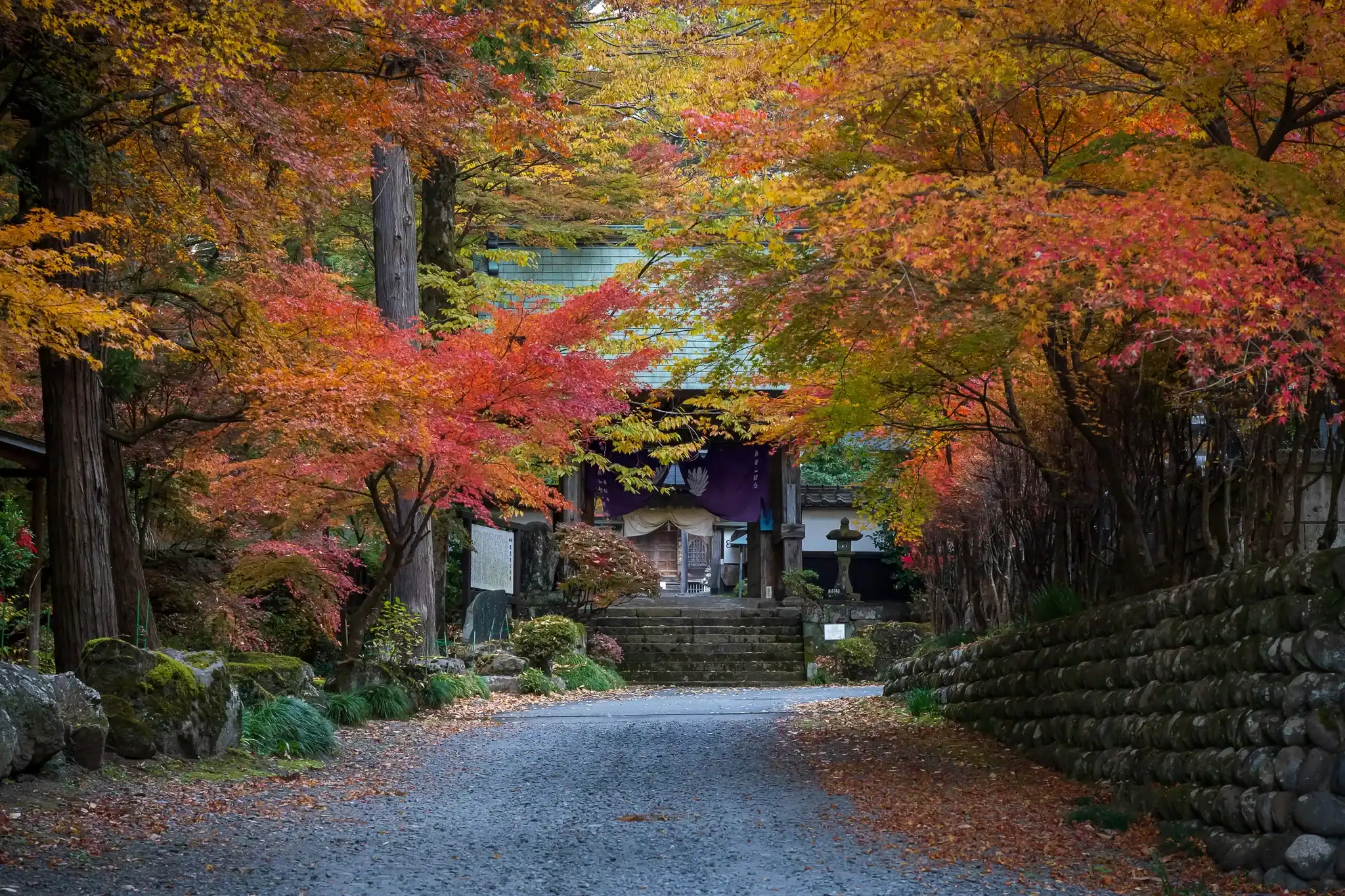
According to Ms. Reiko Fujita, Director General of the Kanto Transport Bureau, the campaign will first focus on destinations along the Edo Shogun Roads with connections to Edo History. This is sensible, as there is so much samurai era history around Tokyo that visitors to Japan know little about, and so many of Japan’s traditions were created or thrived during this relatively peaceful period of Japanese history. Even ukiyo-e 浮世絵 (woodblock printing), the art form that has helped spark the world’s imagination about the Edo Period, was created and thrived during this time.
Best Places To Visit On the Gokaido
I had a head start in familiarity with destinations along the Edo Shogun Roads, having written about and photographed many of the same places for this organization over the past three years. In fact, after I left my former company to become a freelancer, I specifically requested to continue working on this project with my former colleagues, and they graciously complied. My reason? I found that within a stone’s throw of Tokyo, there were so many fascinating destinations that were being overlooked by both tourists and tourism promoters, and I wanted to learn more about them and be able to promote them with some level of authority. And finally, with the launch of the Edo Shogun Roads campaign, my time has come!
The Obvious Destinations on the Edo Shogun Roads
For those who are not familiar at all with the history and geography of Japan, I’ll dedicate this short section to suggesting the most obvious places you should visit along the Gokaido.
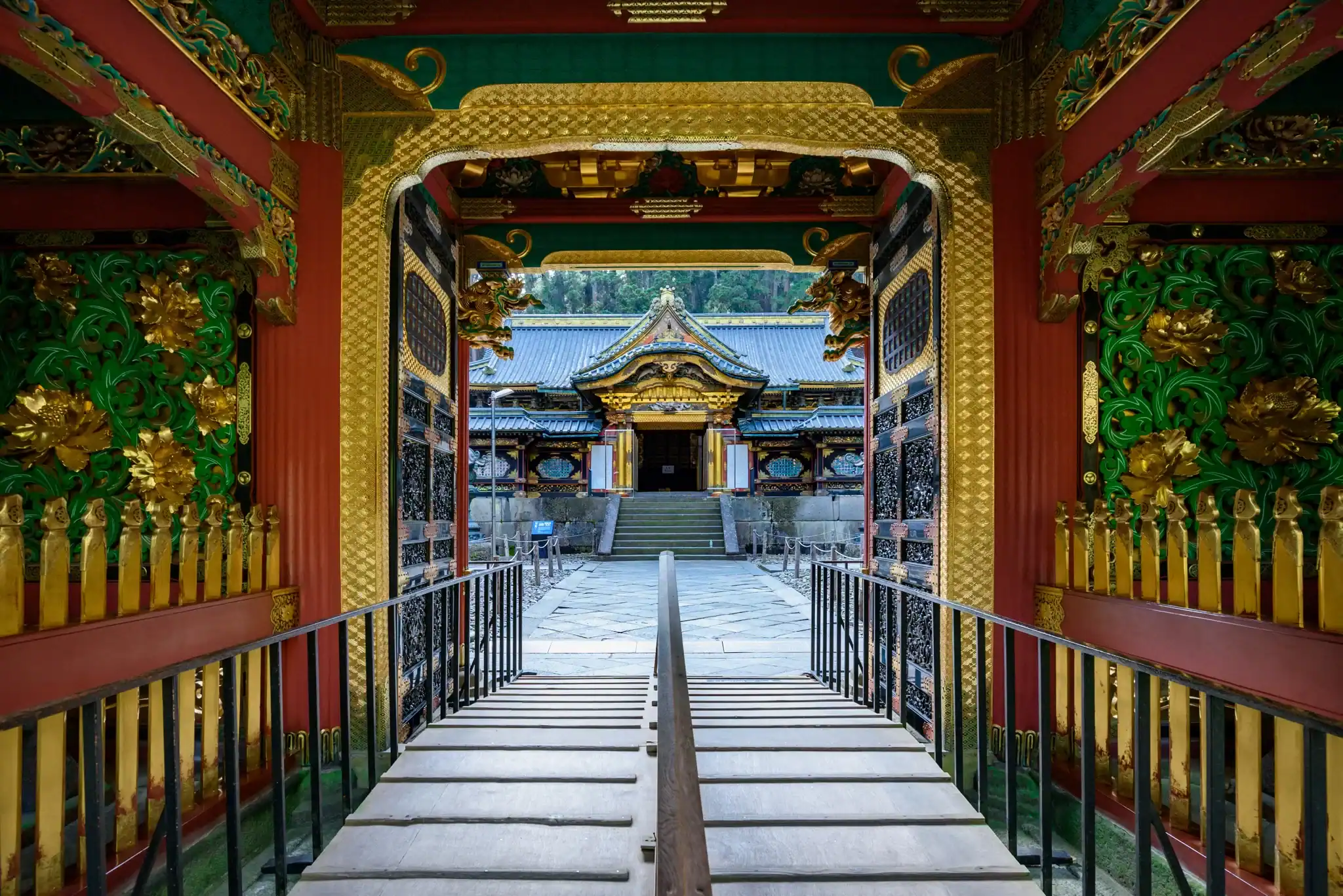
Nikko Toshogu. This lavish, and I daresay over-the-top tribute from the third Shogun Tokugawa Iemitsu to his grandfather, located in Tochigi Prefecture, is one of Japan’s most ornate shrine-temples. The intricate details of Nikko Toshogu tell countless tales of the Edo Period, and the syncretism of Shinto and Buddhism is so entwined in the architecture as to be inseparable. Most people try to do a day trip from Tokyo to Nikko, but if you do, just focus on Toshogu itself rather than trying to take in all the sights of Nikko.
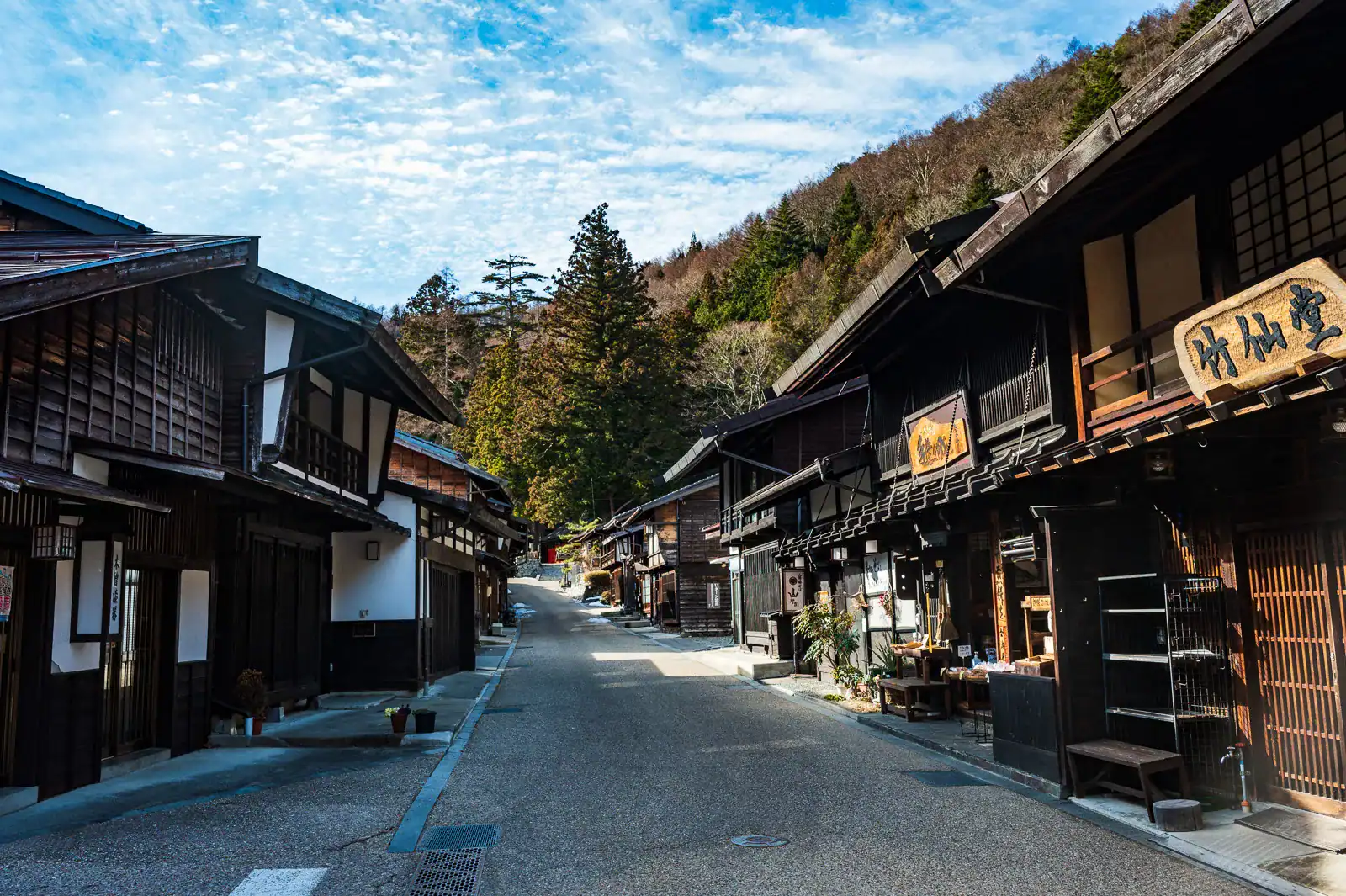
Narai-juku Post Town. One of the best-preserved post towns along the Nakasendo in the mountains of Nagano, Narai-juku is often included on itineraries for tourists who want to say they walked the Nakasendo (even if only for a kilometer or two). The combination of these ancient wooden buildings against the breathtaking natural beauty of the Southern Japan Alps makes it one of Japan’s most iconic views, at least from the perspective of overseas visitors.
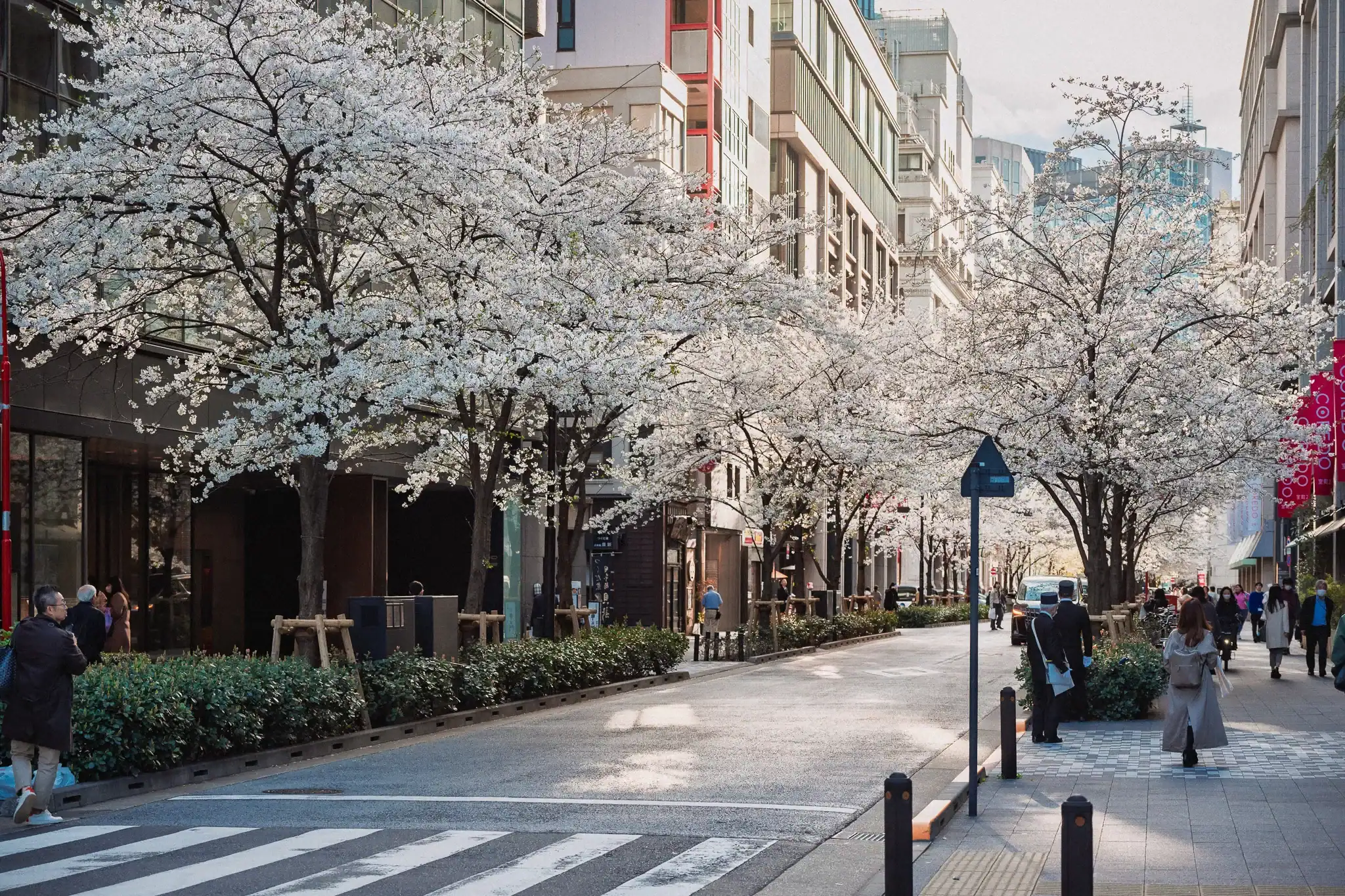
Nihonbashi. Not only the bridge, but the Tokyo neighborhood, the starting and ending point for all of the Edo Shogun Roads, and the heart of Japan’s Edo culture. Concealed among the modern towers, upscale hotels, and department stores are the shinise 老舗, businesses that have thrived here for centuries, when merchants followed the roads from all over Japan to set up shop here.
With those destinations as starters, allow me to recommend some other Edo Shogun Roads destinations that may not be on your radar.
Sawara – The “Little Edo” of Chiba
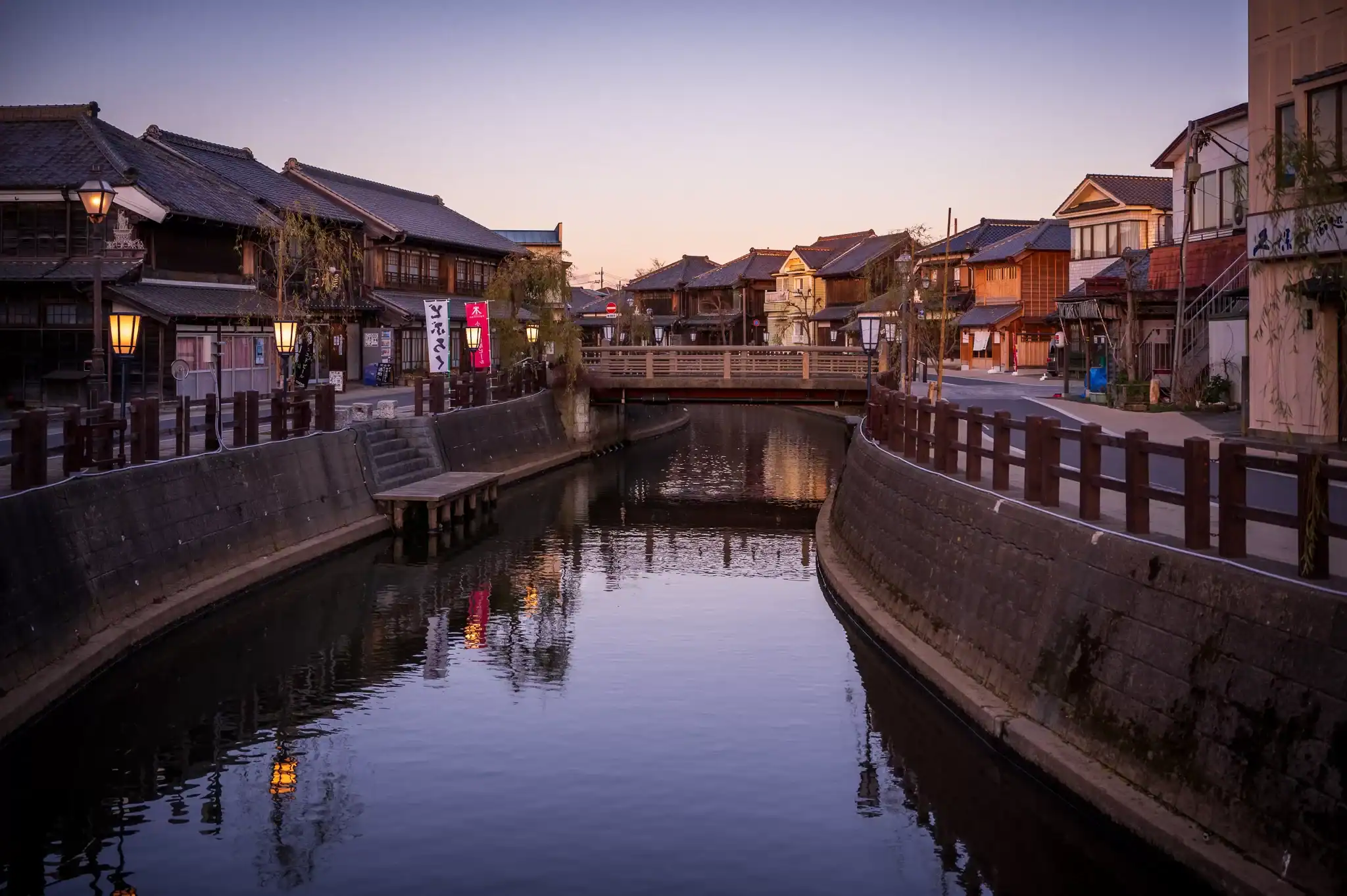
I already mentioned Kawagoe, the “Little Edo” of Saitama, as one of my personal favorite destinations to the west of Tokyo, but to the east, Sawara is another Edo Period landscape frozen in time. Indeed, Sawara may be even more so than Kawagoe, which has much easier public transportation access to Tokyo and has experienced a mini tourism boom in the post-COVID era. Sawara maintains a very laid-back charm with fewer tourist-specific shops and activities, and with that, fewer crowds.


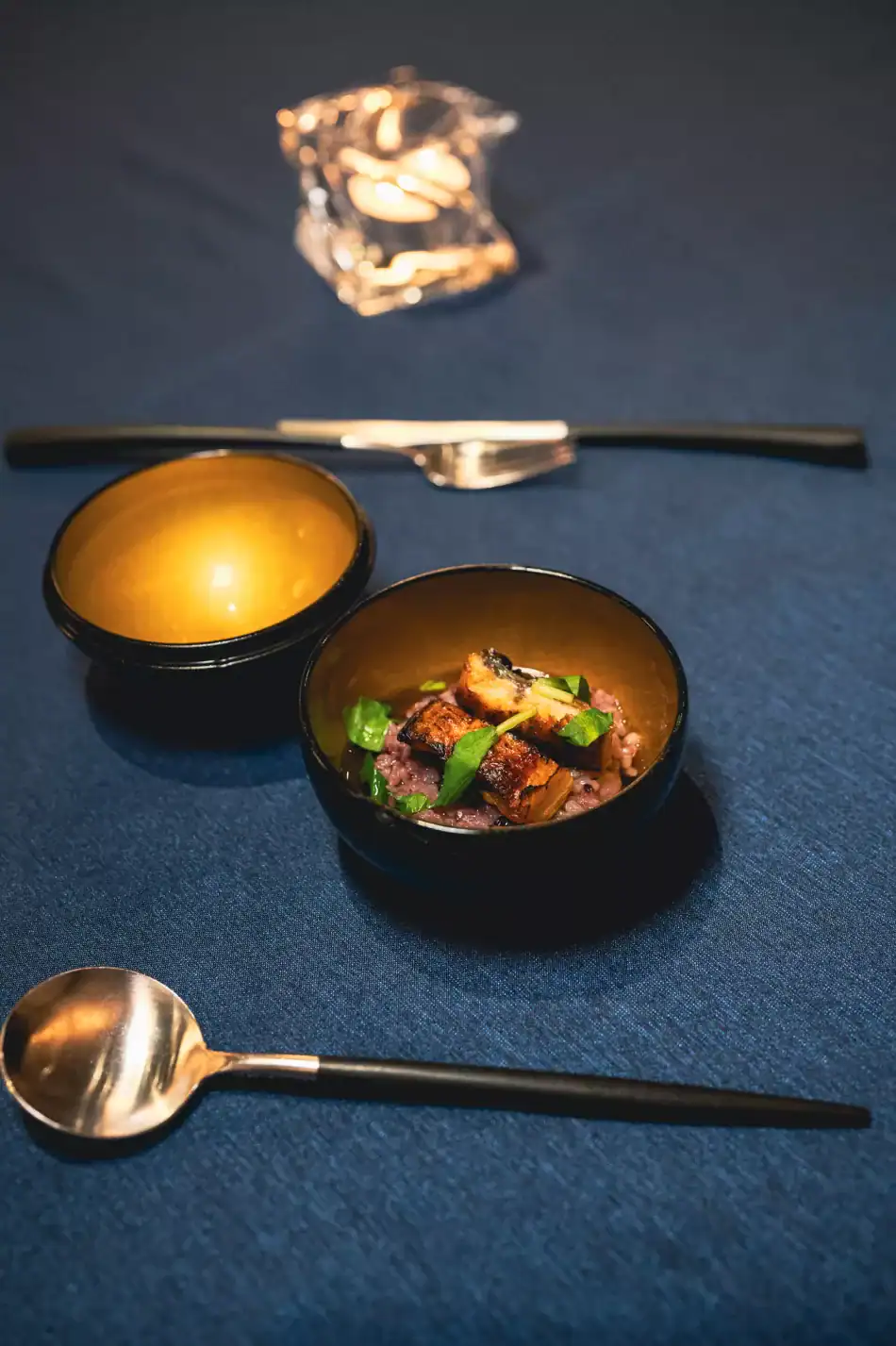
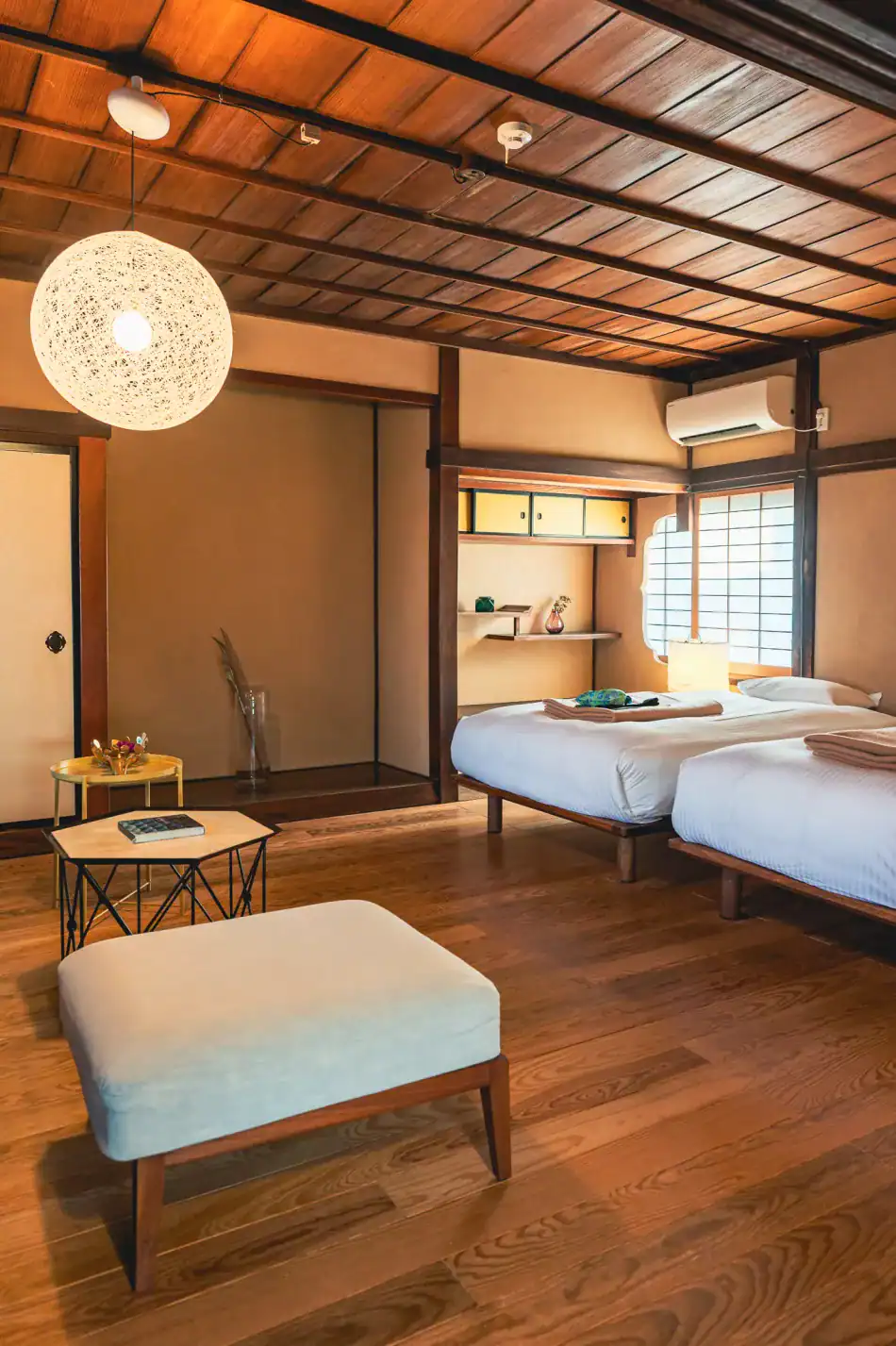
One of the best ways to enjoy Sawara, although pricey, is an overnight stay at the Nipponia Sawara Merchant Town Hotel, made up of rooms from several renovated historical buildings throughout the Sawara district. The rooms are comfortable and classy, often using upcycled furnishings from original buildings and other residences around the town. The highlights include a meal at Le Un, Nipponia’s French and fermentation-inspired fine restaurant, and a soak in a private cypress bath. I won’t quite say I had a restful experience, however; the traditional thin wood paneled walls and single-paned glass windows shook whenever trucks rumbled through the streets throughout the night. The price you pay for authenticity.
Aizu-Wakamatsu – The Last Stronghold of the Samurai Era
Most cities can claim some connection to samurai history in Japan, but few have the street cred of Fukushima’s Aizu-Wakamatsu. This mountainous castle town is home to Tsuruga Castle and dozens of well-preserved facilities and businesses that thrived in the Edo era. Moreover, Tsuruga Castle was one of the last holdouts of Shogunate loyalists at the end of the Edo Period, during the Boshin War.
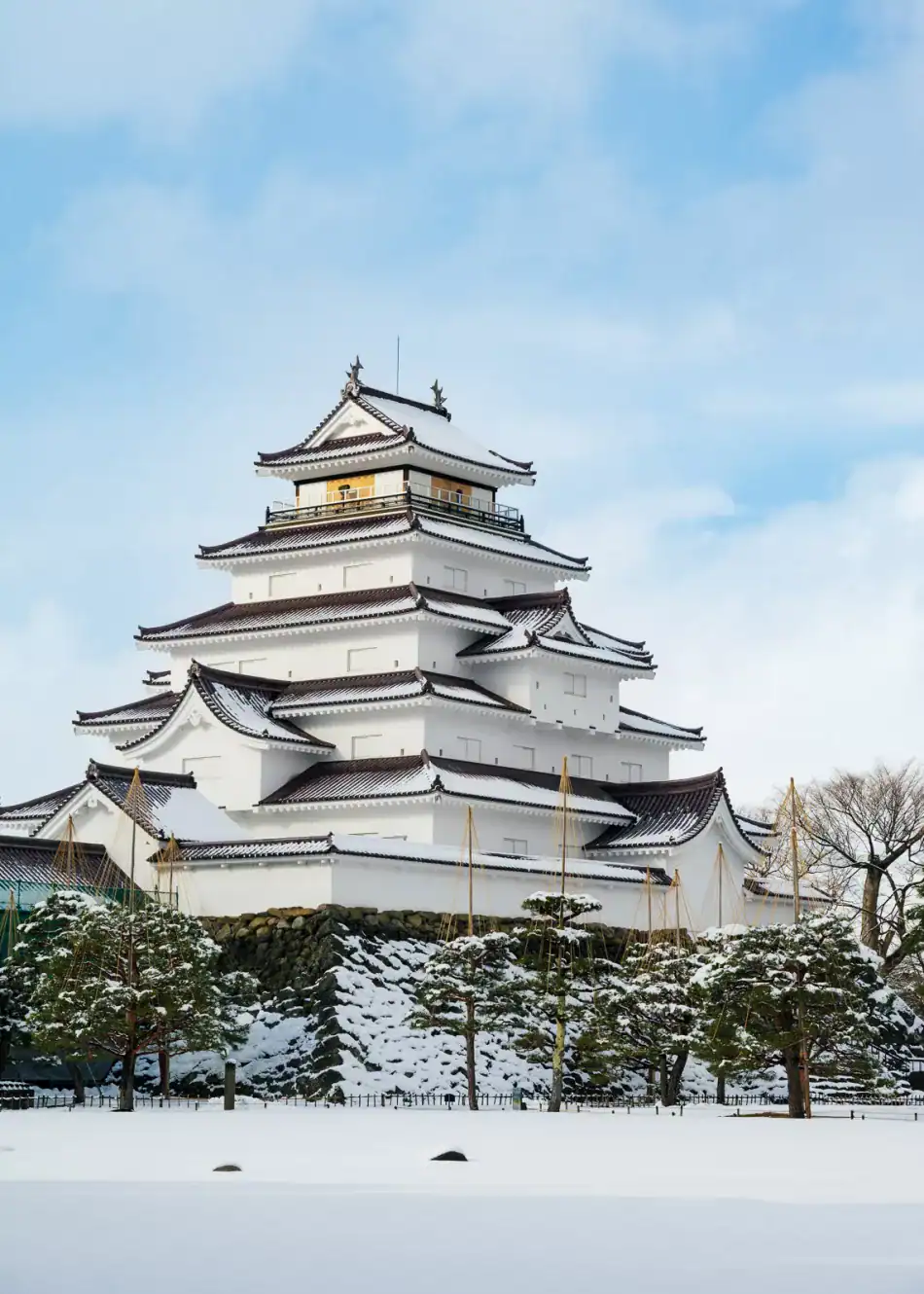
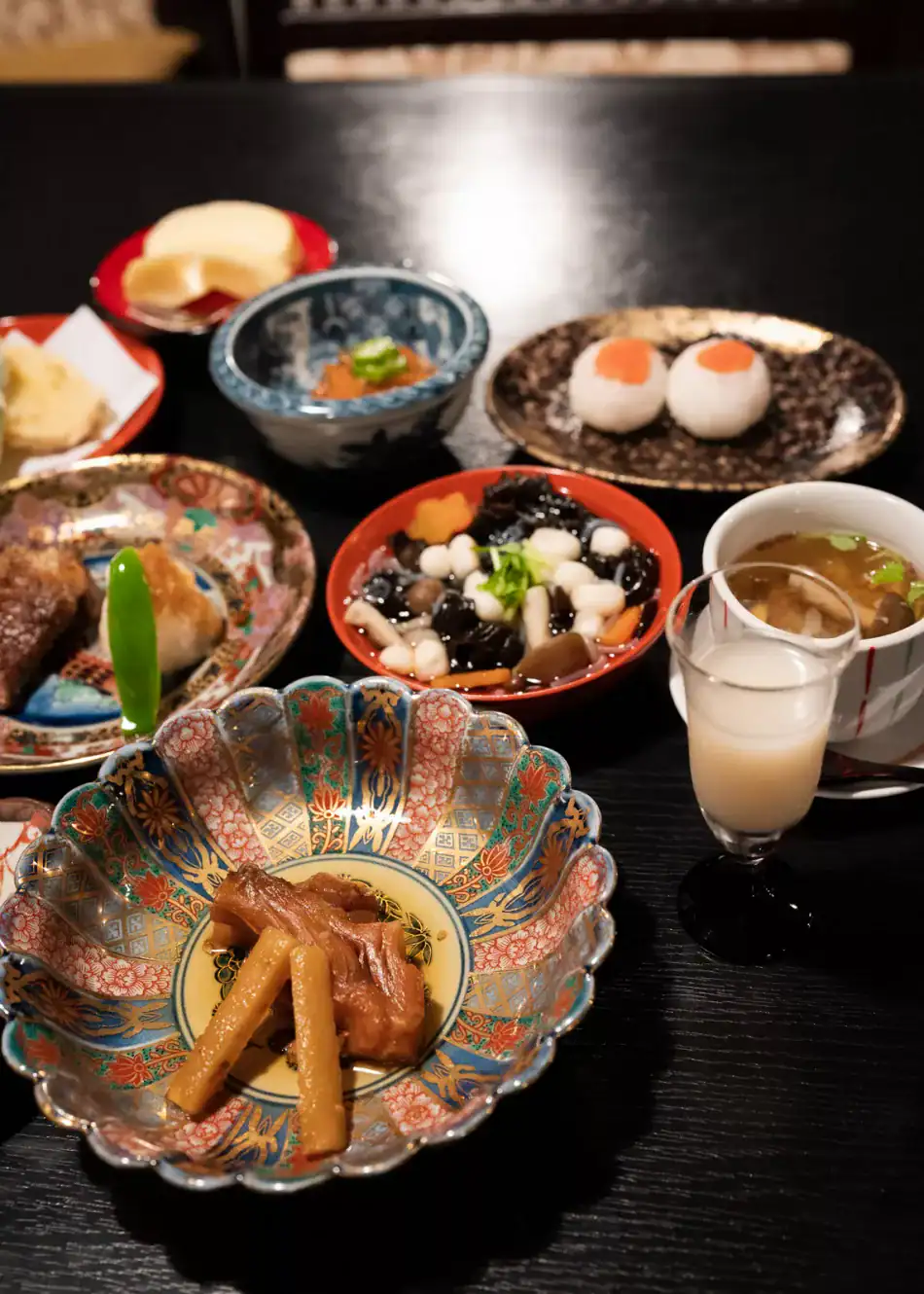
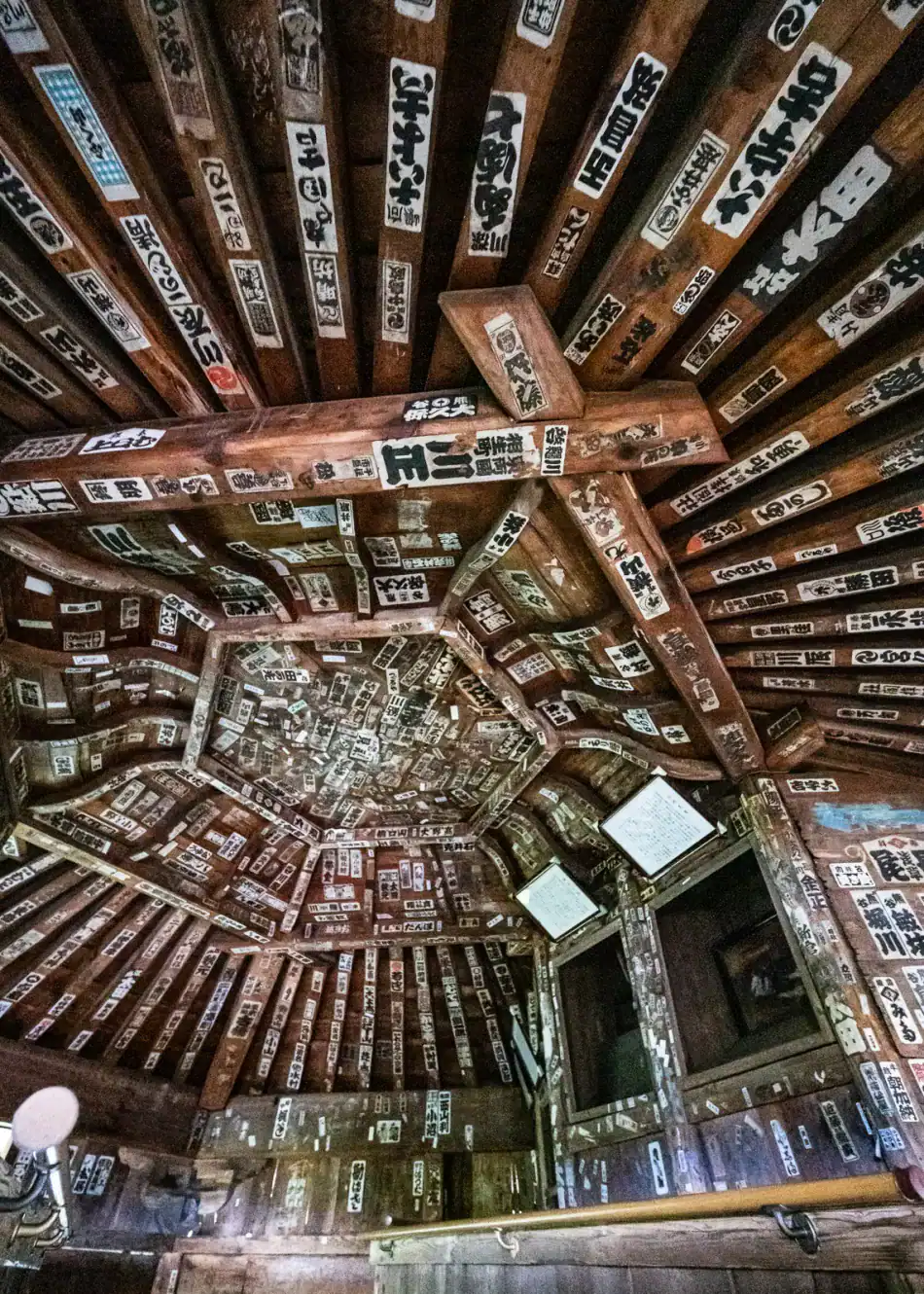
Despite the samurai’s defeat in the war, pride in samurai history and heritage remains strong in Aizu-Wakamatsu. In addition to the castle, one of Japan’s most beautiful, especially in winter, the city has preserved a samurai training school, beautiful Edo era gardens, and a unique cuisine connecting its samurai roots with its geographically landlocked location. There is also Sazaedo Temple, a hexagonal architectural masterpiece with a double-helix staircase that allows temple worshippers to ascend and descend the temple’s levels without reversing course.
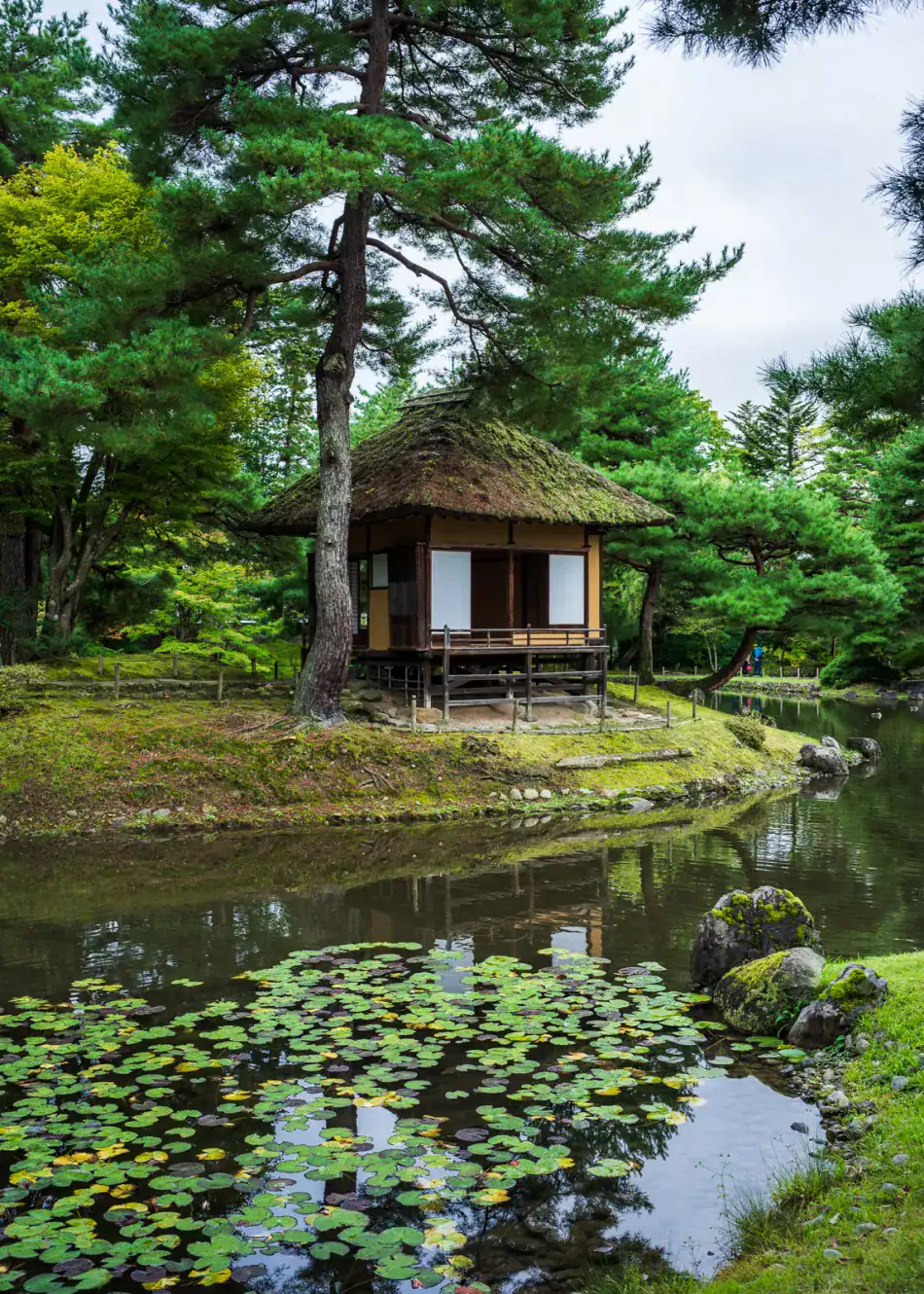
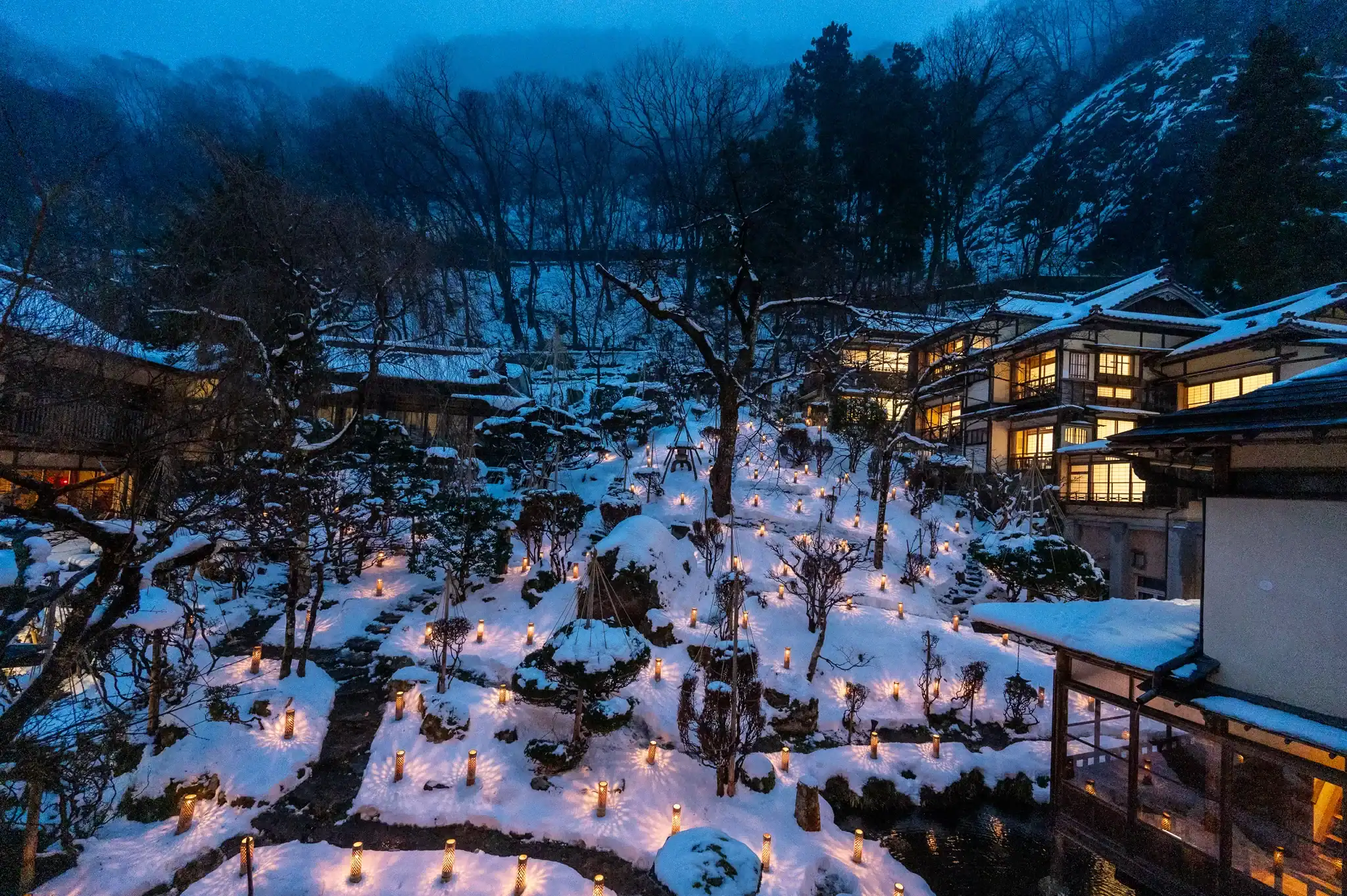
I stayed at Mukaitaki, a sprawling ryokan that once served as a villa for Aizu samurai lords. Apart from the searing onsen hot springs baths for relaxation, many of the rooms overlook a splendid Japanese garden that is unbelievably beautiful in the winter, when they light candles throughout the garden paths.
Komoro and Ueda – Nagano Strongholds of the Nakasendo
For samurai lords and their families heading toward Edo, Ueda and Komoro would have been welcome sights, thriving posts along the Nakasendo after a treacherous trek through the mountains. Today, these cities preserve a portion of the Nakasendo that is disappearing as highways and high-speed trains replace what little remains. While most Nakasendo fans head to Narai-juku, Ueda and Komoro are often neglected, leaving them ripe for visitors looking for a relaxed, authentic Nakasendo destination.
The grounds of Ueda Castle remain, although most of the buildings were dismantled by the Meiji government in the late 19th century. The descendants of the Tokugawa clan were no doubt happy to see it go, as the castle was the site of two major defeats of Tokugawa forces. The castle remains a symbol of Ueda’s proud samurai heritage, and Yanagimachi, a street near the castle lined with shops and former accommodations for Nakasendo travelers, has been maintained in immaculate condition.
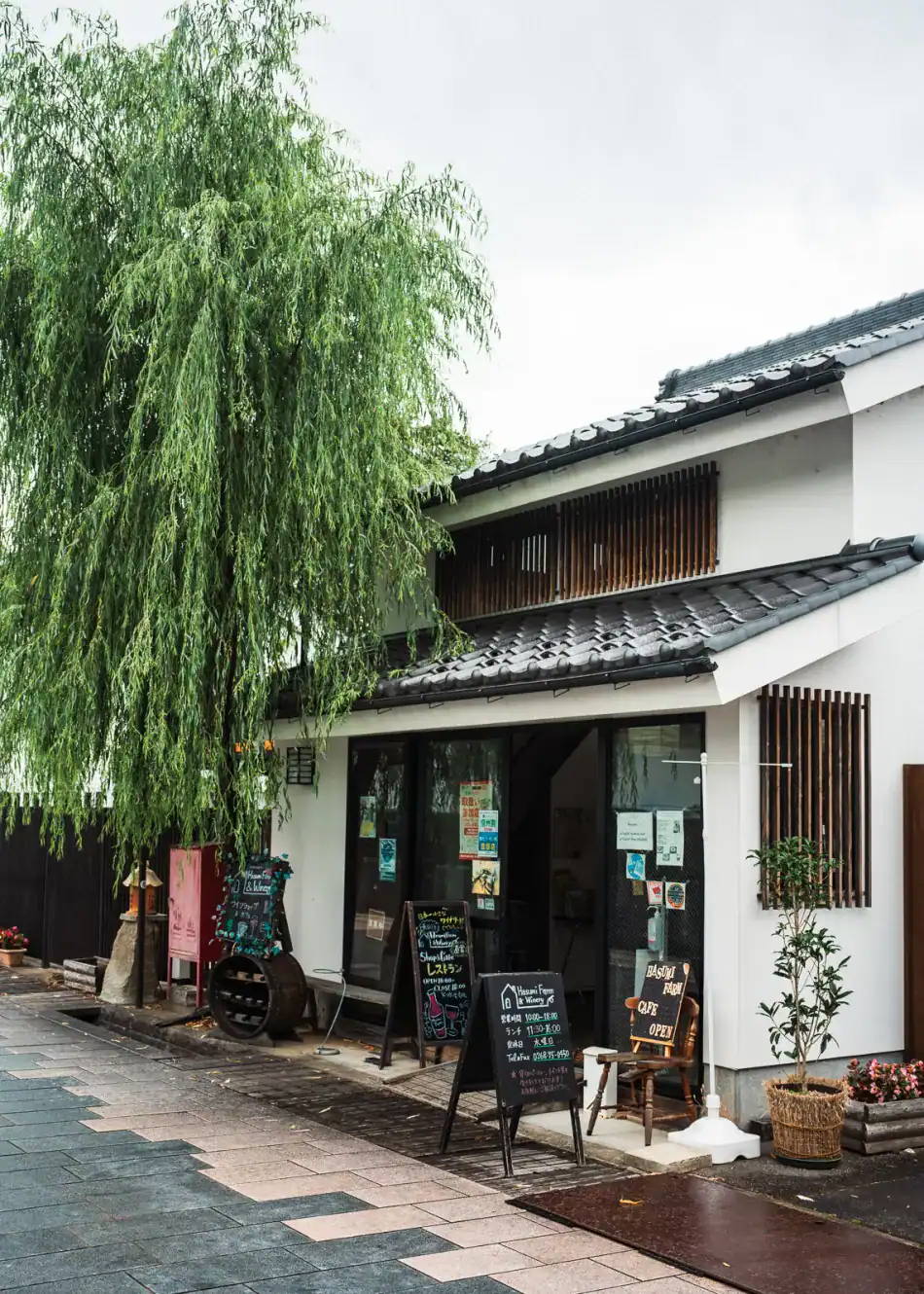
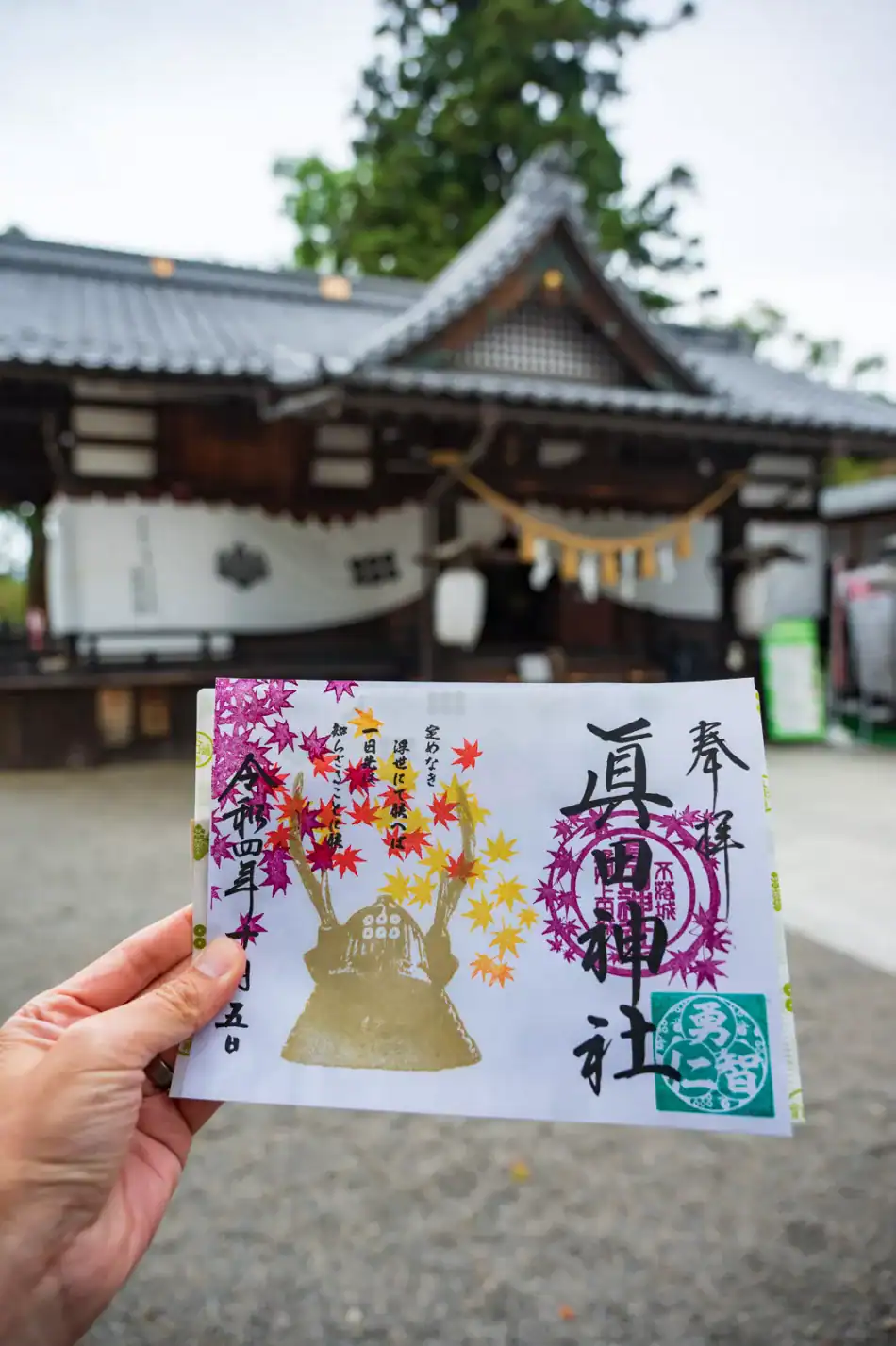
Komoro is farther along toward Edo, another post town once protected by a castle. In an unlucky strike (pardon the pun), the main keep burned down in a fire caused by lightning in the early Edo Period and was never rebuilt, making the castle largely redundant in a peaceful area watched over by Ueda Castle. The grounds are still stunningly beautiful with stone walls and seasonal foliage, and it is now known as Komoro Castle Park rather than just a castle. Like Ueda, Komoro preserves a good deal of its Nakasendo post town history, including Kumeya, an inn built for high-ranking officials traveling along the road, which you can still stay in today.
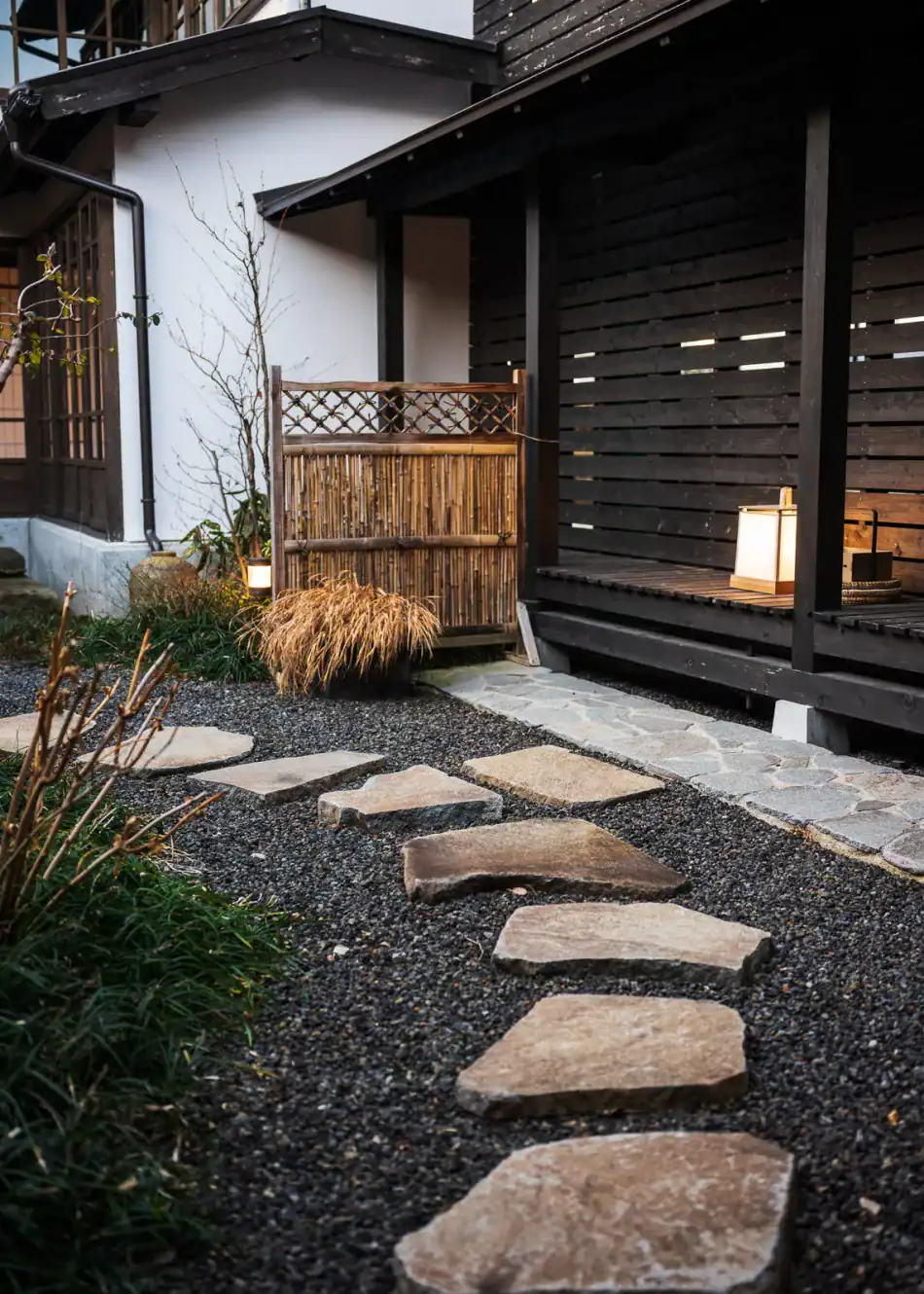
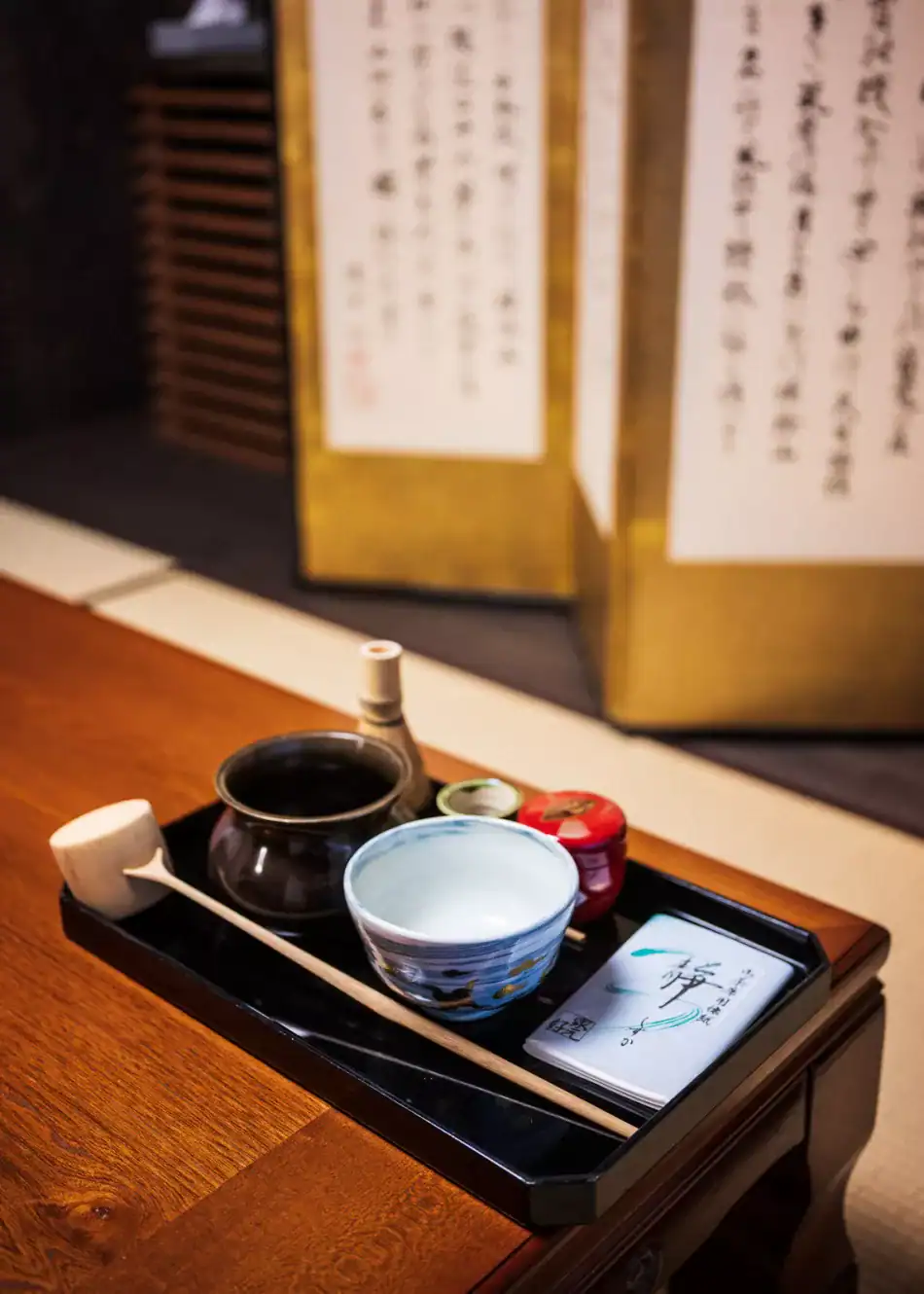
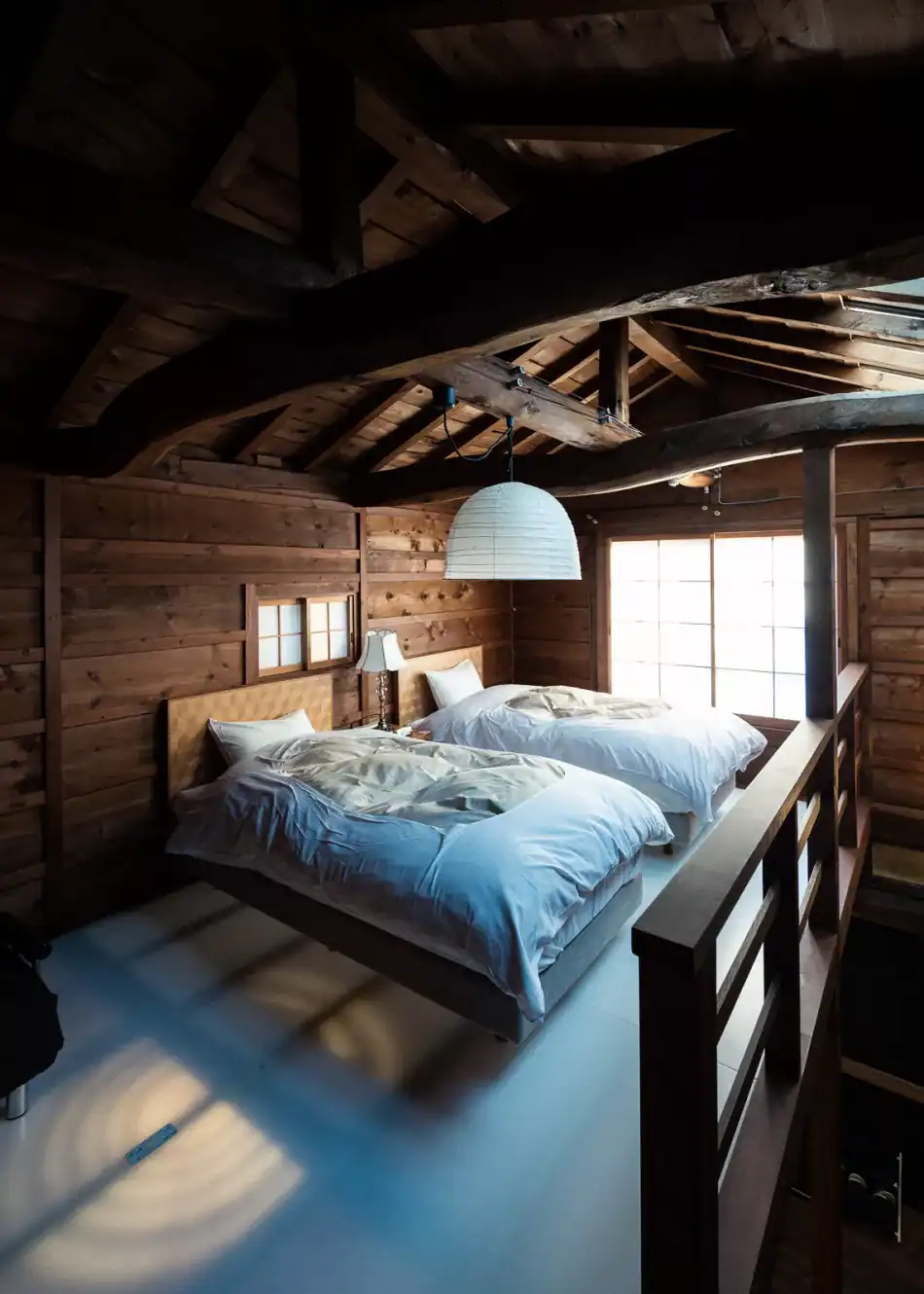
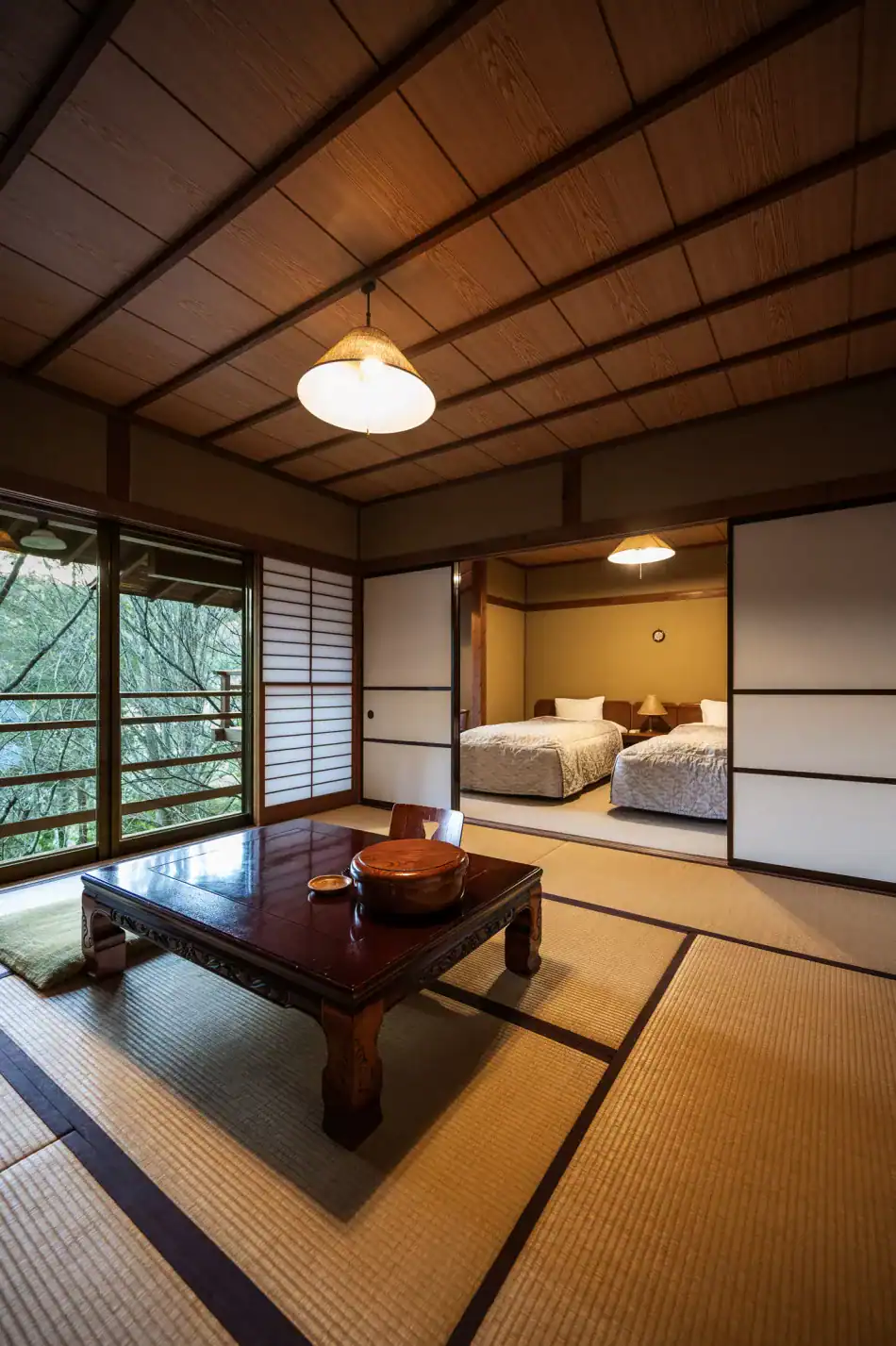
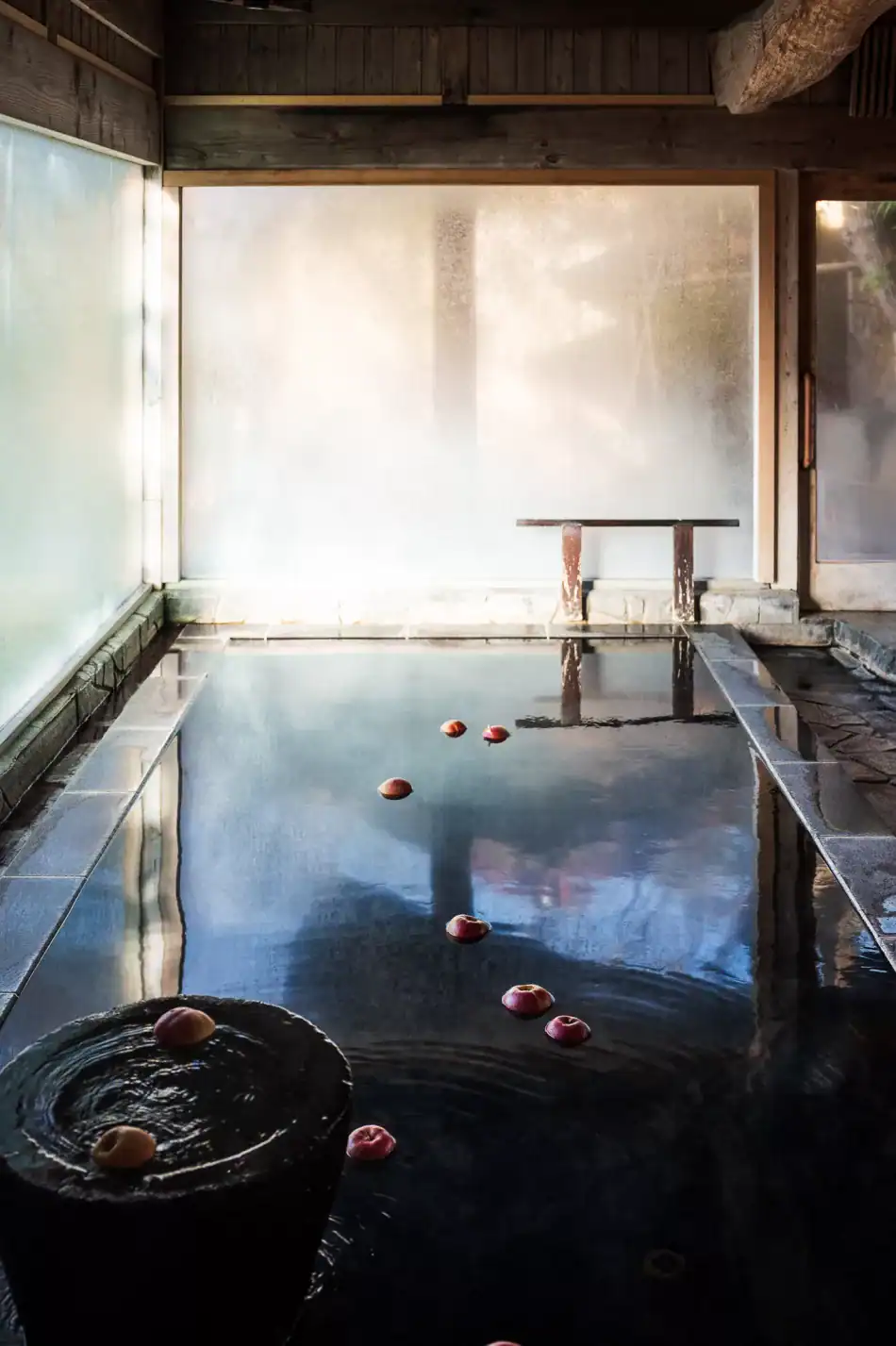
While a stay at Kumeya is a rare-access treat due to it having only 4 rooms, another option in the area is Nakadanaso, a larger facility nestled in the forest south of Komoro Castle Park. Autumn is the best time to go when the inn adds Nagano-grown apples to their onsen hot springs baths (for what reason other than aesthetics, one can only guess) and as an ingredient in its already delicious kaiseki-style meals. Nakadanaso is not technically Edo as it was built in the early 20th century, but its laid-back retro style fits with the Edo vibe.
Northern Culture Museum – Livin’ The Merchant Life in Niigata
The curiously named Northern Culture Museum just outside of central Niigata city is not as focused on Edo samurai history as that of the overlooked class: the Edo merchants. Although seen in society as second-class citizens of the Shogunate, the fact is that many merchants became fabulously wealthy, perhaps more so than the samurai who purchased goods from them. This museum is the former estate of the Ito clan, one of Niigata’s most successful merchant families, who began their business in 1756, dealing in indigo dyeing, grain agriculture, and warehousing.
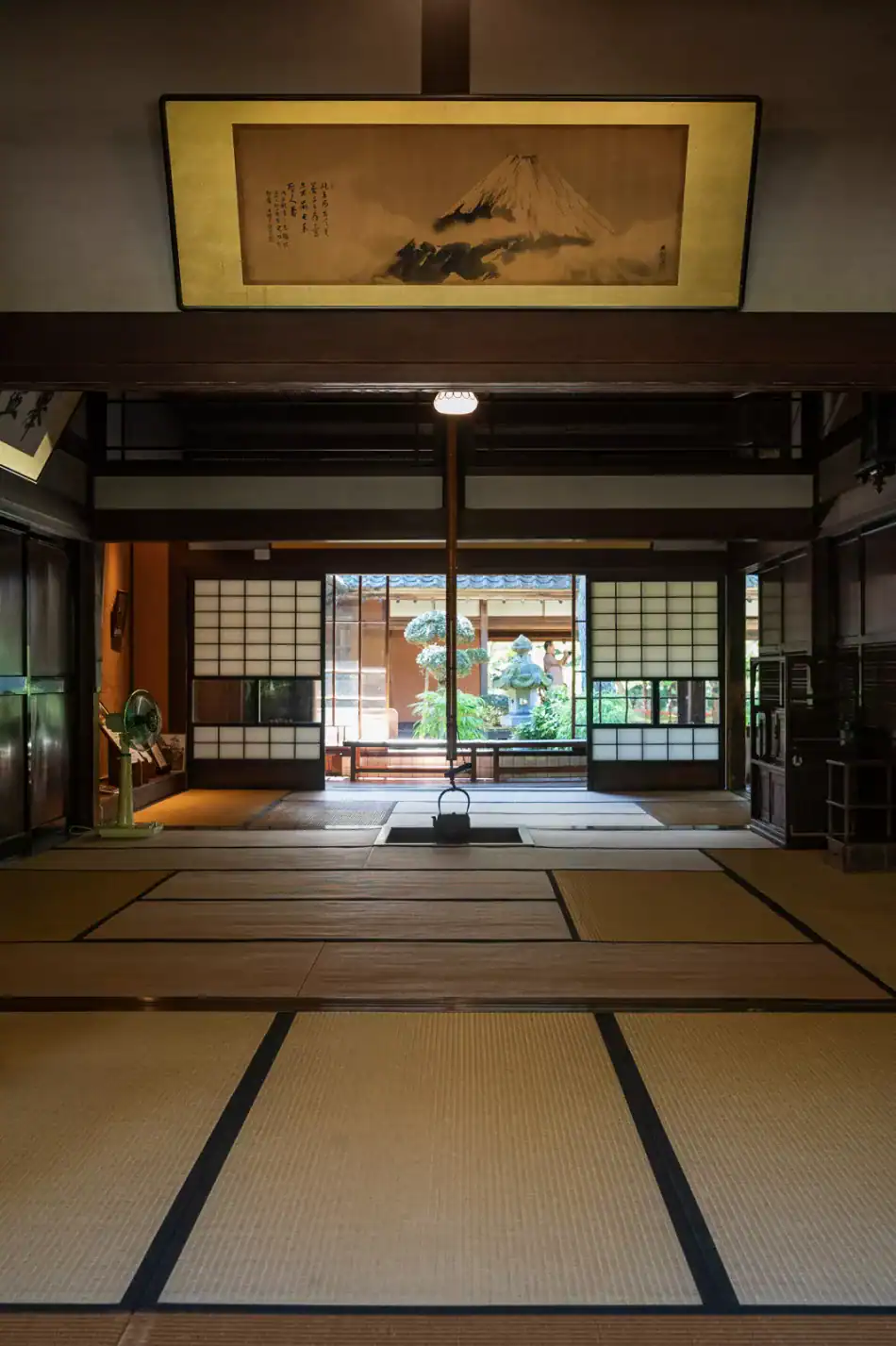
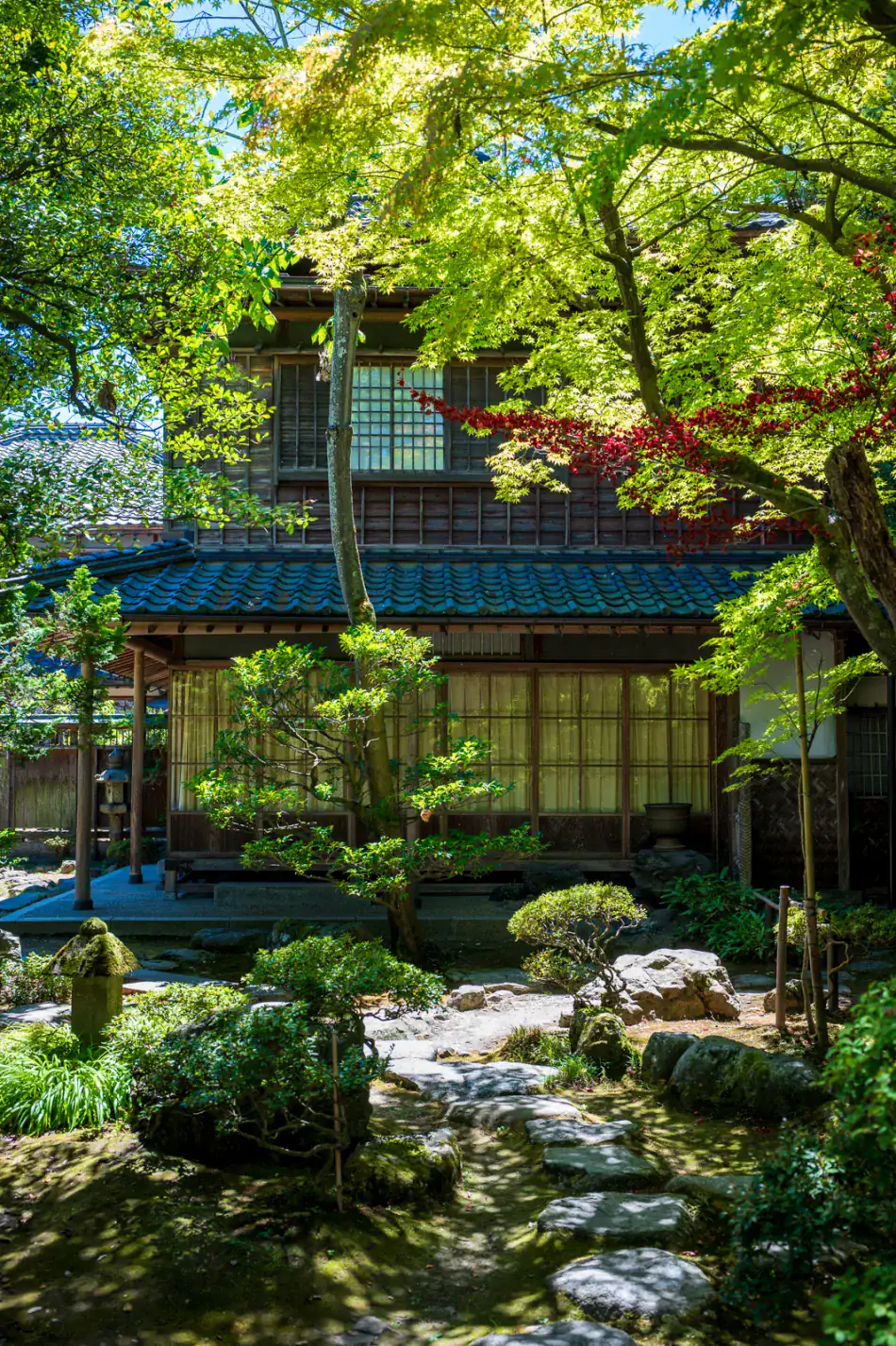
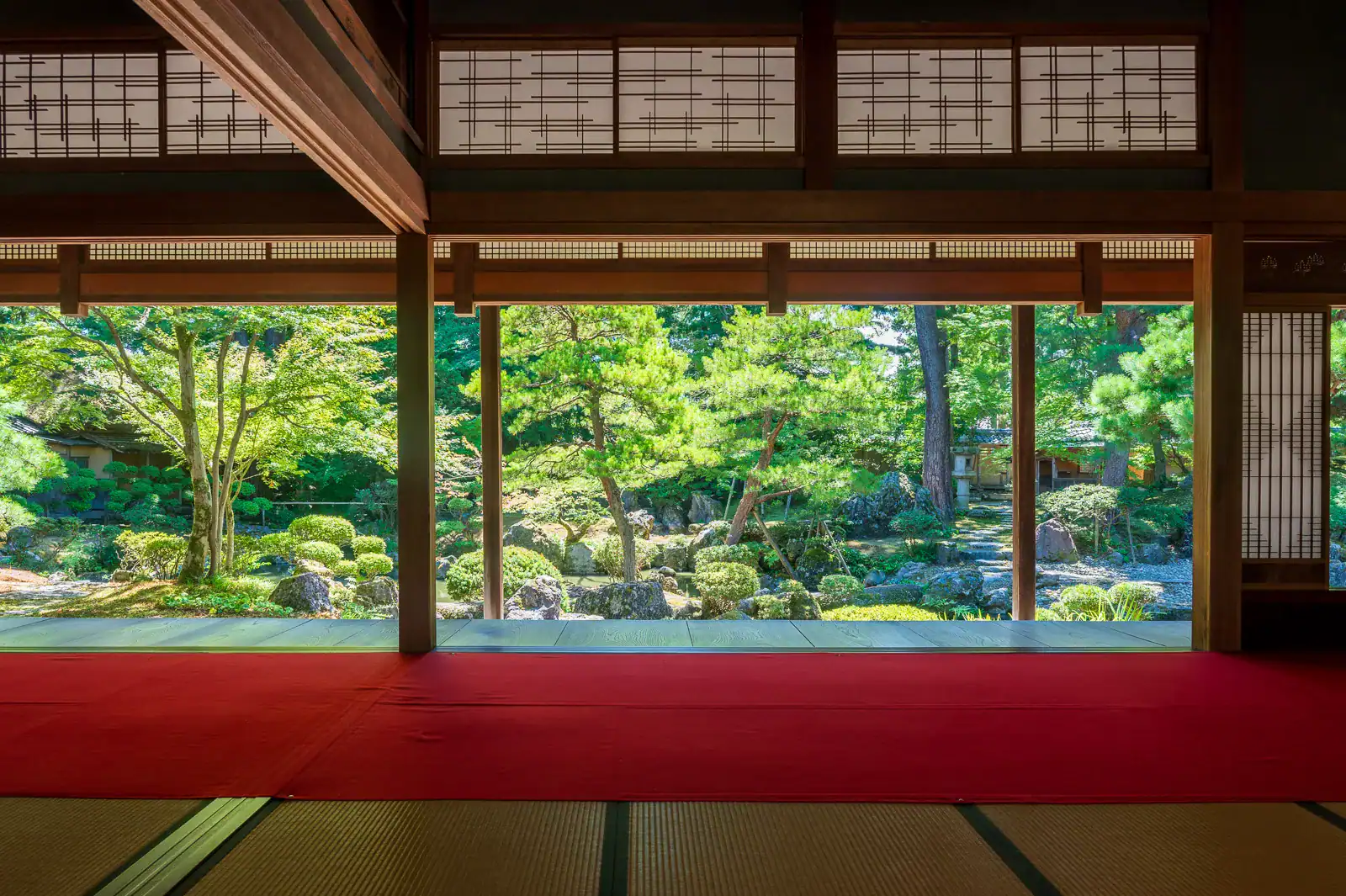
Precisely because they were not samurai, the Ito family kept their wealth when the Edo Period ended, and they grew more and more powerful, owning huge swaths of land. World War II changed the clan’s head’s perspective, and the Northern Culture Museum was established with land, buildings, and assets from the family’s vast wealth. To the benefit of current and future generations, the Northern Culture Museum acquires and displays a large number of cultural artifacts to protect them from being lost to the public eye. And the museum grounds, designed over five years by a leading landscape architect, concoct an atmosphere worthy of such a collection.
You wouldn’t make a trip to Niigata from Tokyo just to visit this museum, but fortunately there are plenty of other things to do around Niigata, including a trip over the ocean to Sado Island, a historic land of exile that is now one of Japan’s most beautiful island destinations (and home to Robert de Niro’s favorite sake brewery).
Best Ways To Explore the Edo Shogun Roads
When you think about these historic roads leading to and from Tokyo, you realize that it doesn’t make much sense that they would just disappear over time. These were and still are important routes, so in most cases, the ancient routes were simply improved over time and became highways or train routes. It is true, however, that the concept of a post town is no longer necessary due to the speed of travel, so many of the significant stops along the roads are now bypassed by modern expressways.
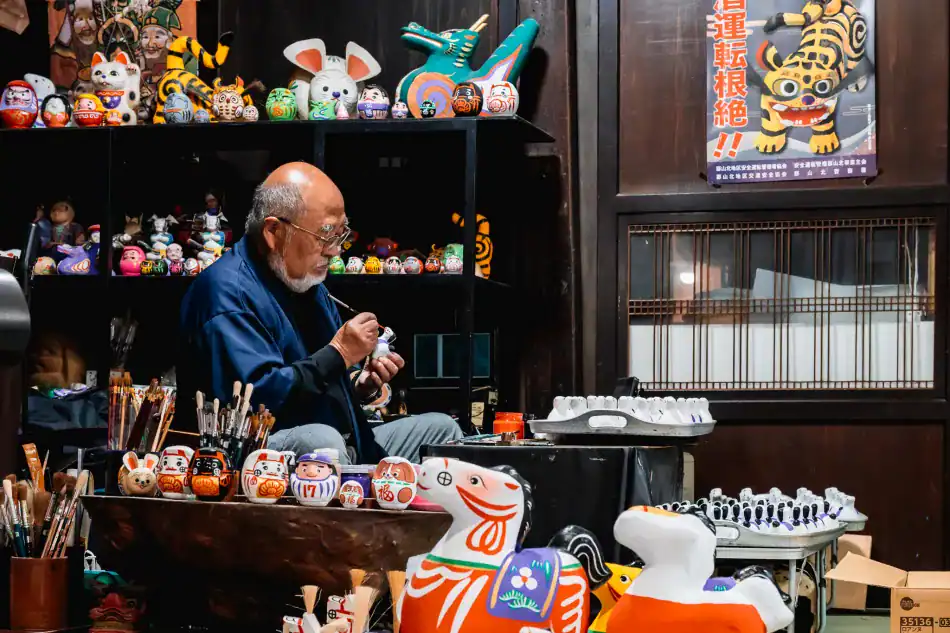
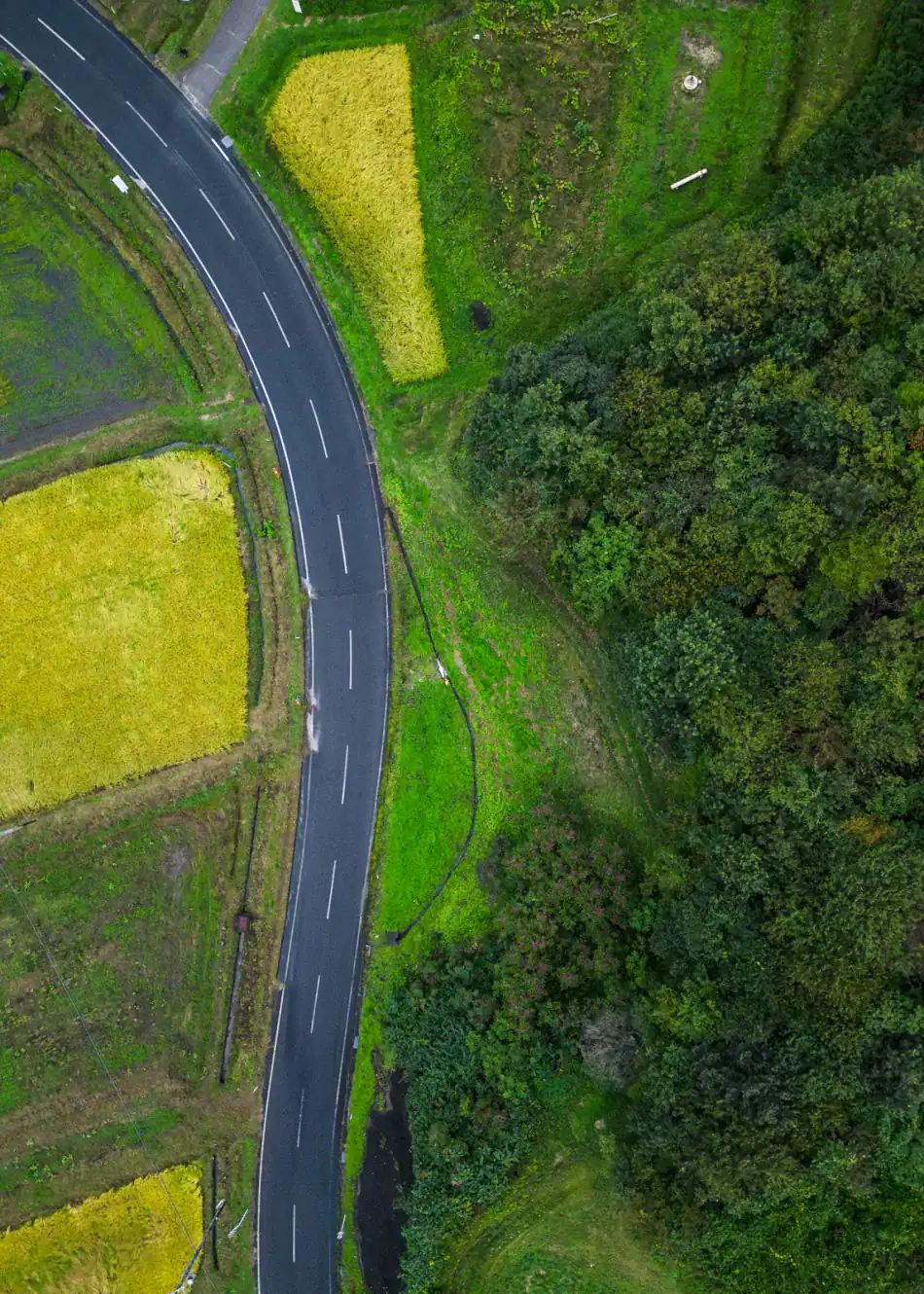
For that reason, I strongly suggest that the best way to explore destinations along the Edo Shogun Roads is by car. I’m sure the project sponsors would like me to suggest using trains and buses, and in many cases, public transportation is fine, and enables people who cannot drive in Japan to reach some of these lesser-visited attractions. But I have to be frank: a rental car lets you reach many places that are difficult or inconvenient to reach by public transportation, and you’ll maximize your time if you are willing to drive yourself. However, driving in rural Japan poses its own set of challenges, including a lack of English signage and narrow, sometimes harrowing roads, which Google Maps not only won’t help you avoid but sometimes recommends. So weigh your options carefully.
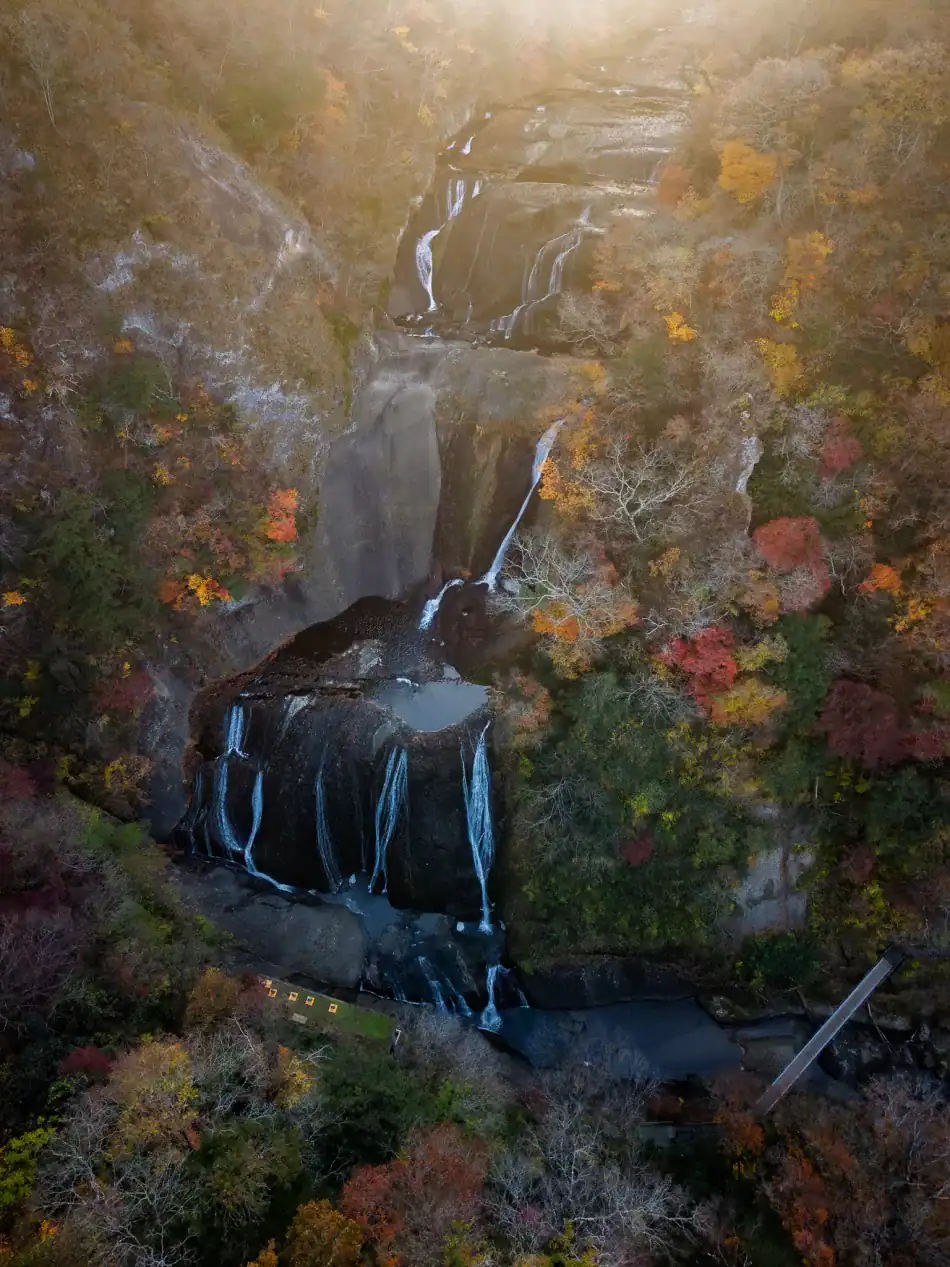
Whatever you do, don’t miss the opportunity to use this new campaign to discover some incredible destinations just beyond Tokyo. Make it a day trip, a detour, or a replacement for the big three of Tokyo, Osaka, and Kyoto. Just get out there and travel the Edo Shogun Roads, feeling the atmosphere of authentic Edo history.