It’s no coincidence that Tokyo’s best and biggest summer festivals survive in its shitamachi 下町, the “downtown” areas that were once home to the lower classes of Edo citizenry – merchants, fishermen, and day workers. These areas were tightly-knit communities united by a desire to thrive and often came together to participate in annual rituals sponsored by local temples and shrines that promised these very types of blessings.
The modernization of Tokyo has been a double-edged sword, increasing efficiency and safety in urban planning while stripping away much of the city’s visible history. Even long-established old-school neighborhoods like Yanesen (Yanaka, Nezu, and Sendagi) are slowly losing their charm, with rustic buildings that don’t meet earthquake codes being demolished and replaced with generic versions of their former selves. Yet, at least for now, the shitamachi’s summer festivals give hope that authentic Edo history can survive in the ever-changing capital.
Sanja Matsuri and Fukagawa Hachiman Matsuri – 2 of Tokyo’s Best Summer Festivals
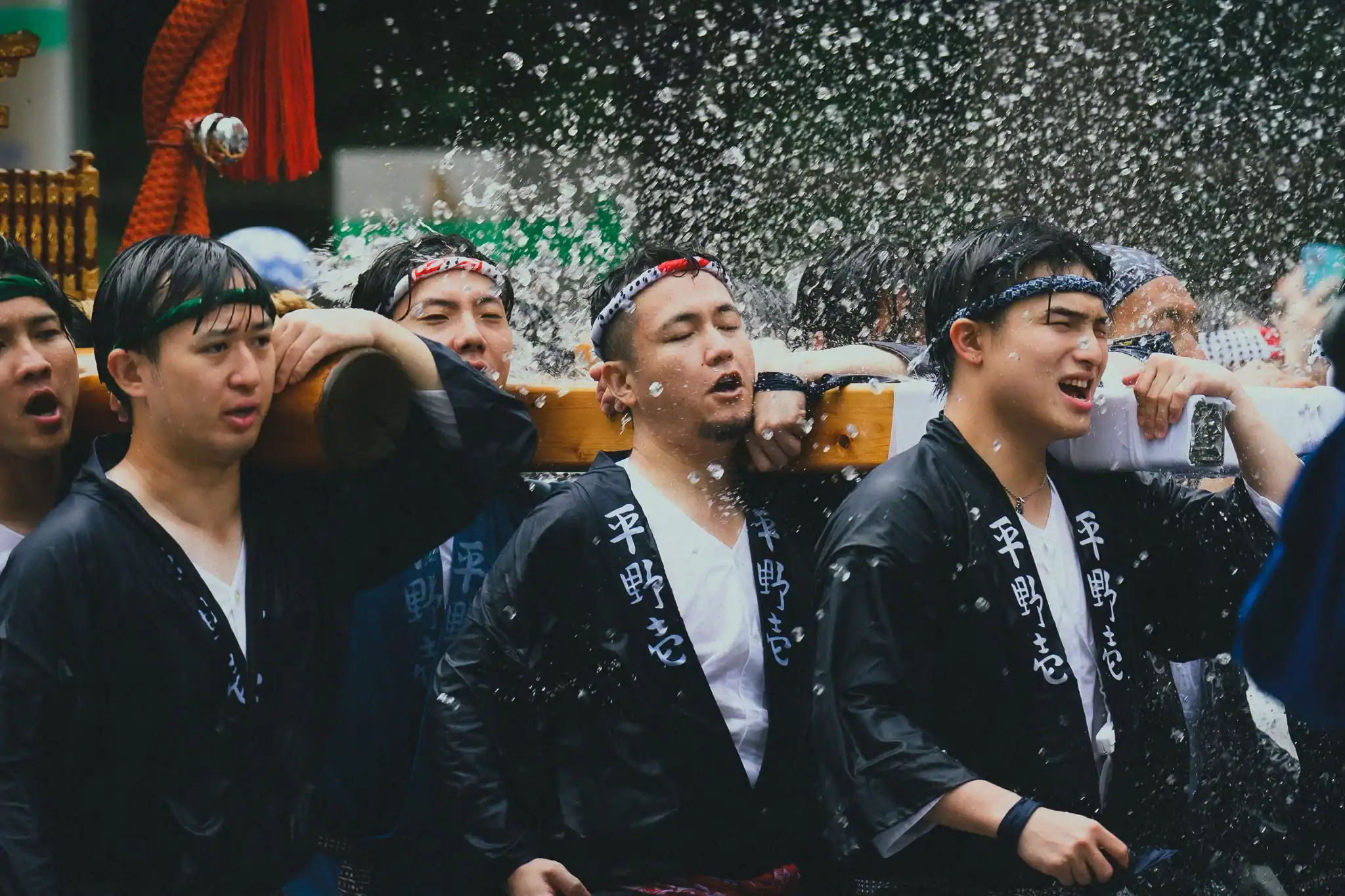
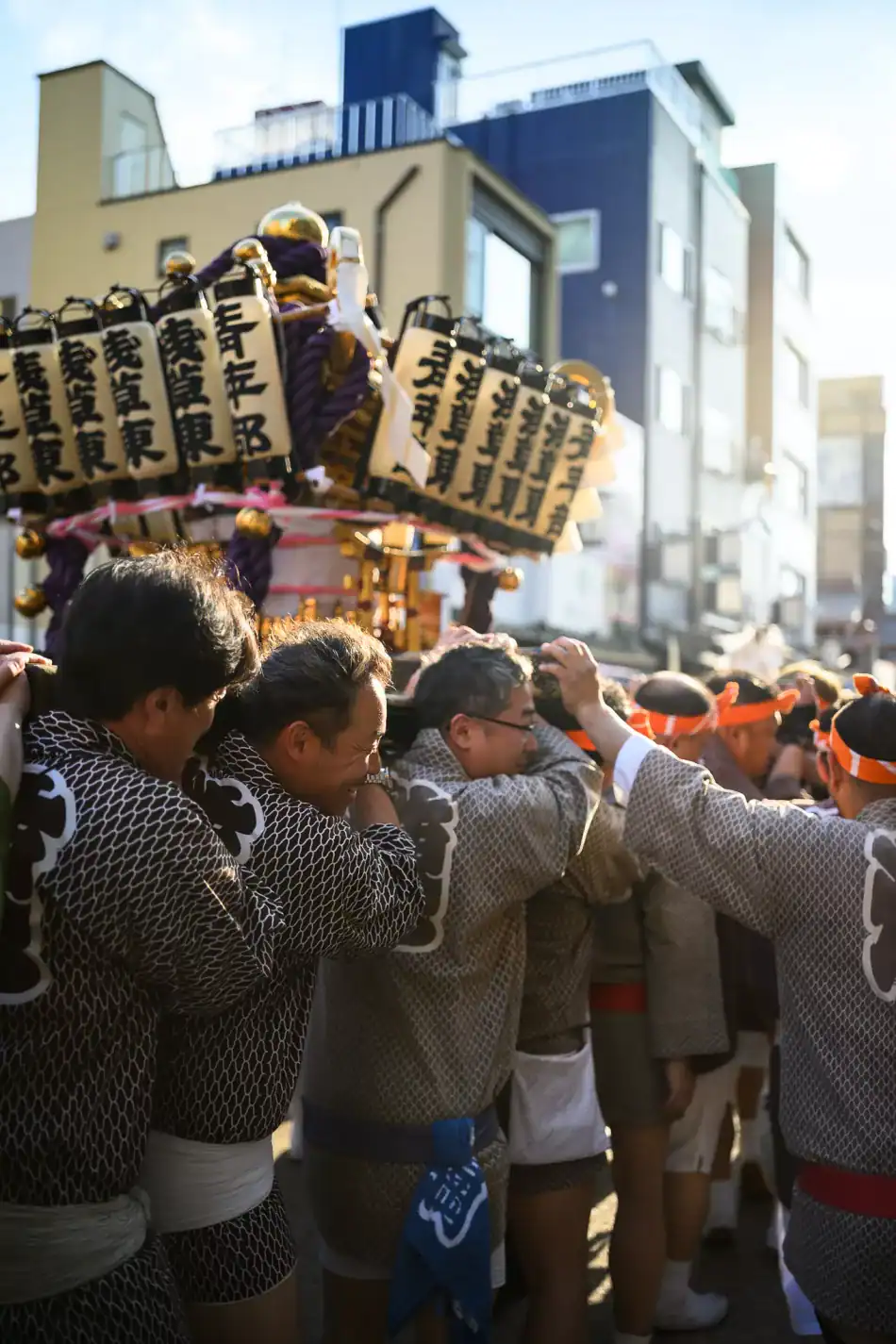
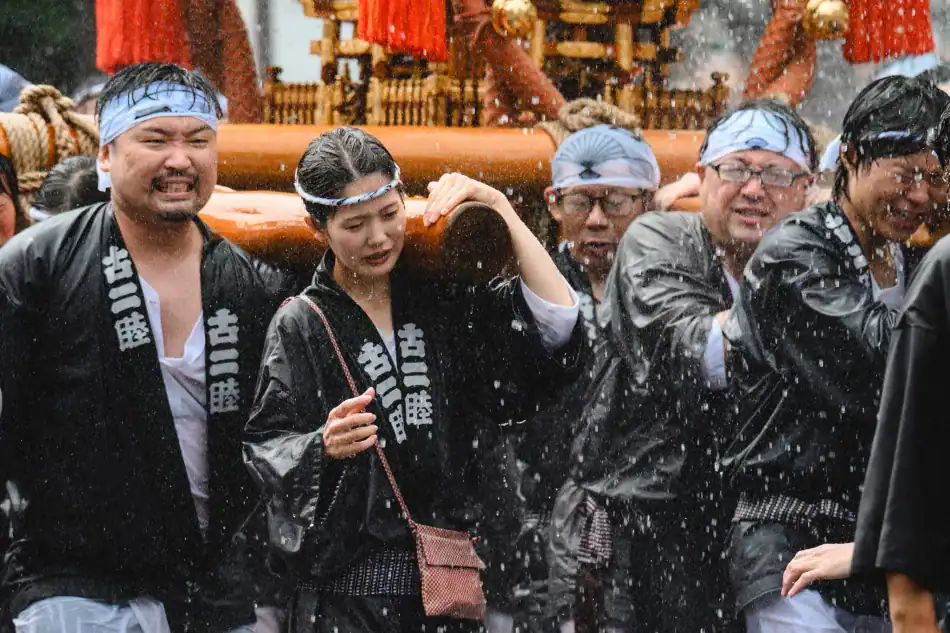
I attended two of Tokyo’s great summer festivals this year: the raucous Sanja Matsuri, where tattoo-covered bodies are flaunted for a weekend rather than hidden under long sleeves and work pants. And the equally energetic Fukagawa Hachiman Matsuri, which could aptly be described as a water fight involving a few hundred thousand participants and spectators. Each festival focuses on a particular shitamachi – Asakusa for the Sanja Matsuri and, well, Fukagawa for the Fukagawa Hachiman. Each involves heaving a massive mikoshi (portable shrine) on the shoulders of shrine-bearers for hours on end, for days at a time. And each brings out a group of people whose main connection is living on the same street, not hobbies, ages, or political beliefs.
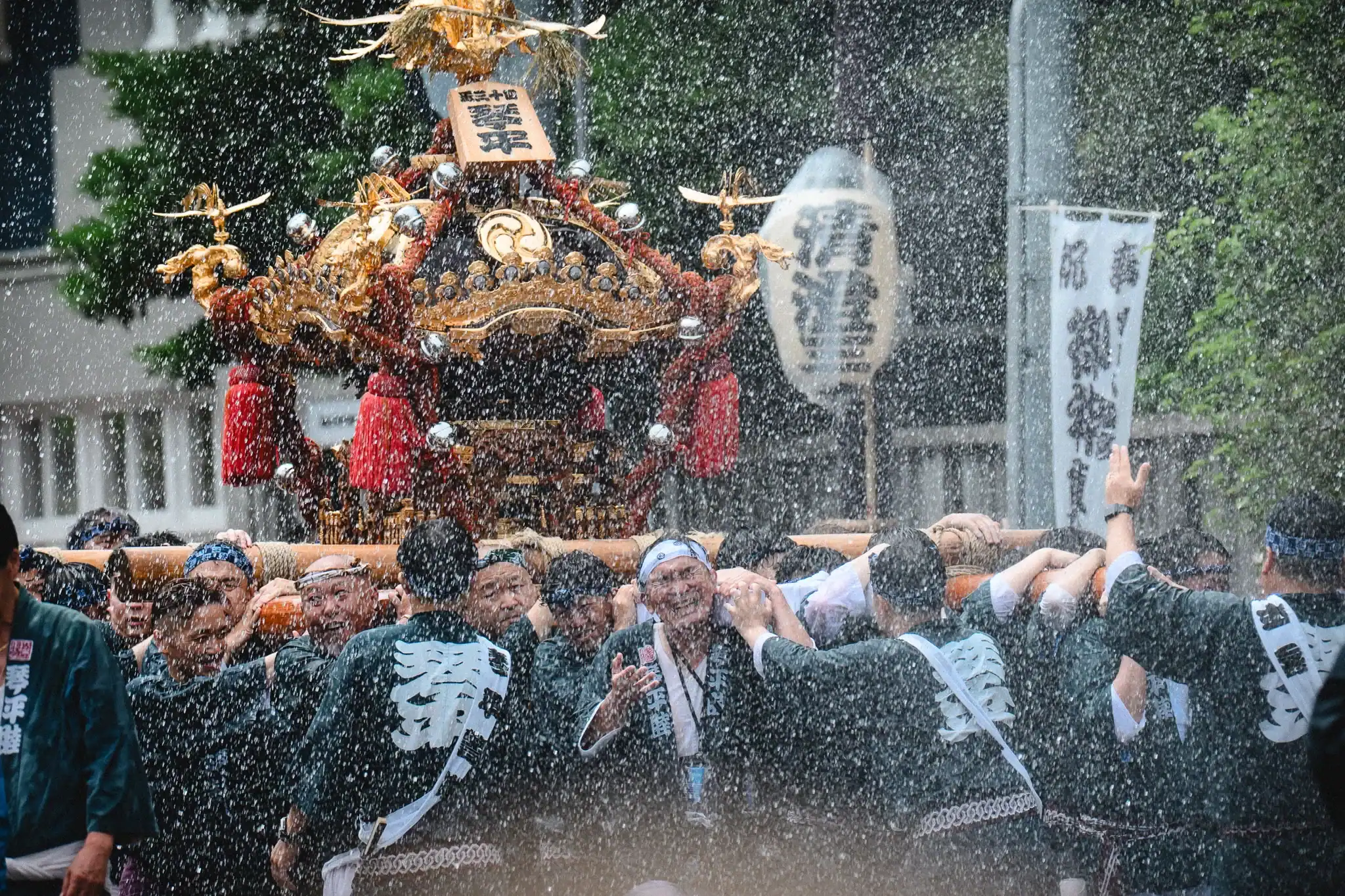
The rituals of each festival are spectacles unto themselves, and many festival attendees are happy to attend a single event to witness them and make a requisite “I was there” post on social media. After over a decade in Tokyo, I find that I have been to most festivals at least once, and since the rituals don’t change, focusing on those aspects would be boring. What I’ve come to realize instead is that these festivals bring out the best in Japanese culture, something even the most jaded Tokyoite can hang their hopes on for the future. These huge festivals foster community in a way that no other activity can, providing cohesiveness to neighborhoods that would otherwise deteriorate into the self-isolated suburbs of the western world.
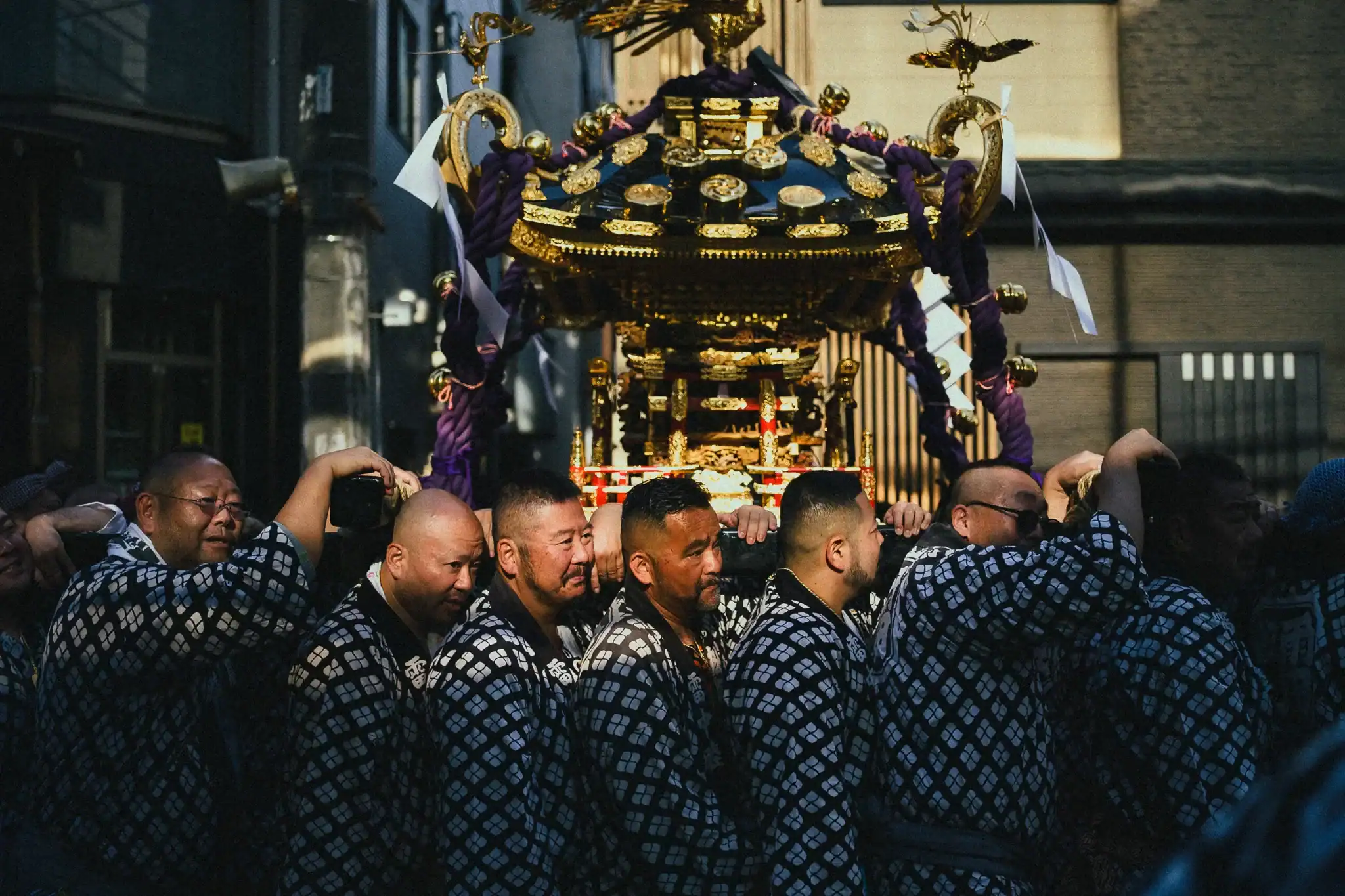
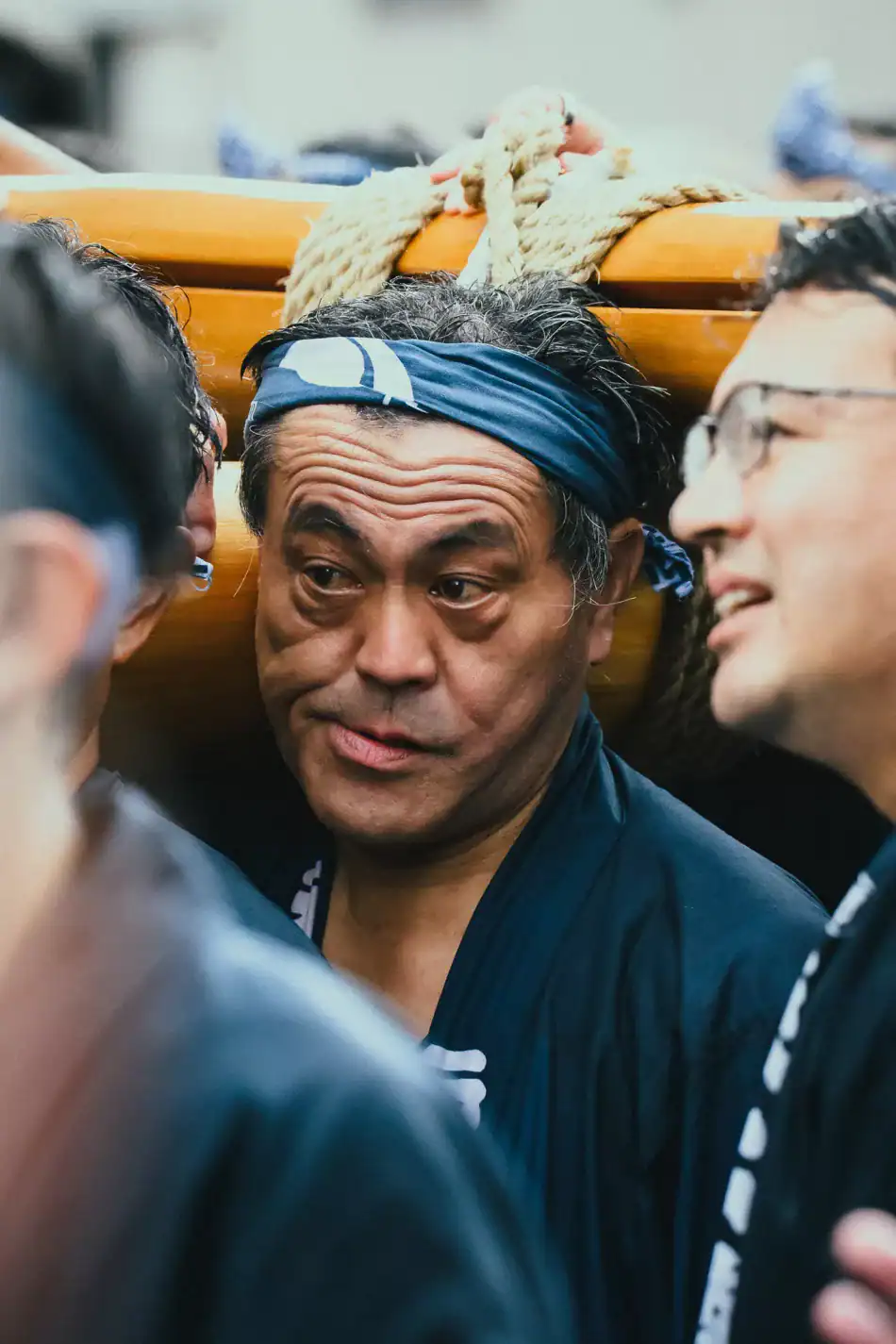
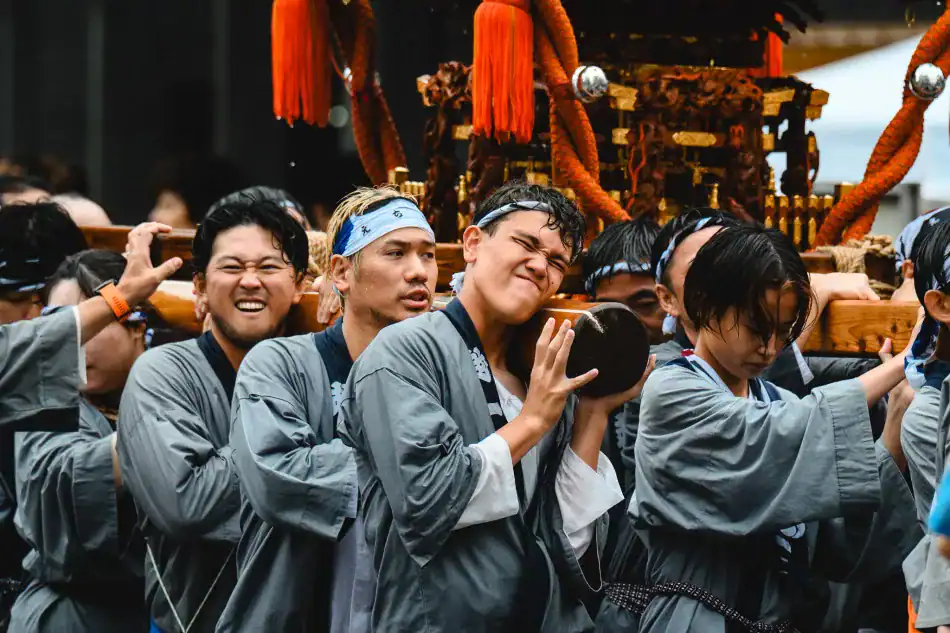
A bond is naturally built between you and the sweaty soul standing next to you, together supporting two-and-a-half tons of wood and lacquer as you slowly march down the crowded streets of your neighborhood. The freshly rested neighbor who relieves you when your aching body and bruised shoulder can take no more becomes your savior, and deserves more than a passive greeting when you run into them at the supermarket. The group of people who stay up together all night before the festival, making sure every last logistic for a 100,000-strong block party is covered, comes away feeling like they went into battle together. These are the relationships that buttress a community, providing stability in a city where over 14 million people live uncomfortably close enough together to get on each other’s nerves.
How to Find Authentic Japan in Tokyo’s Festivals
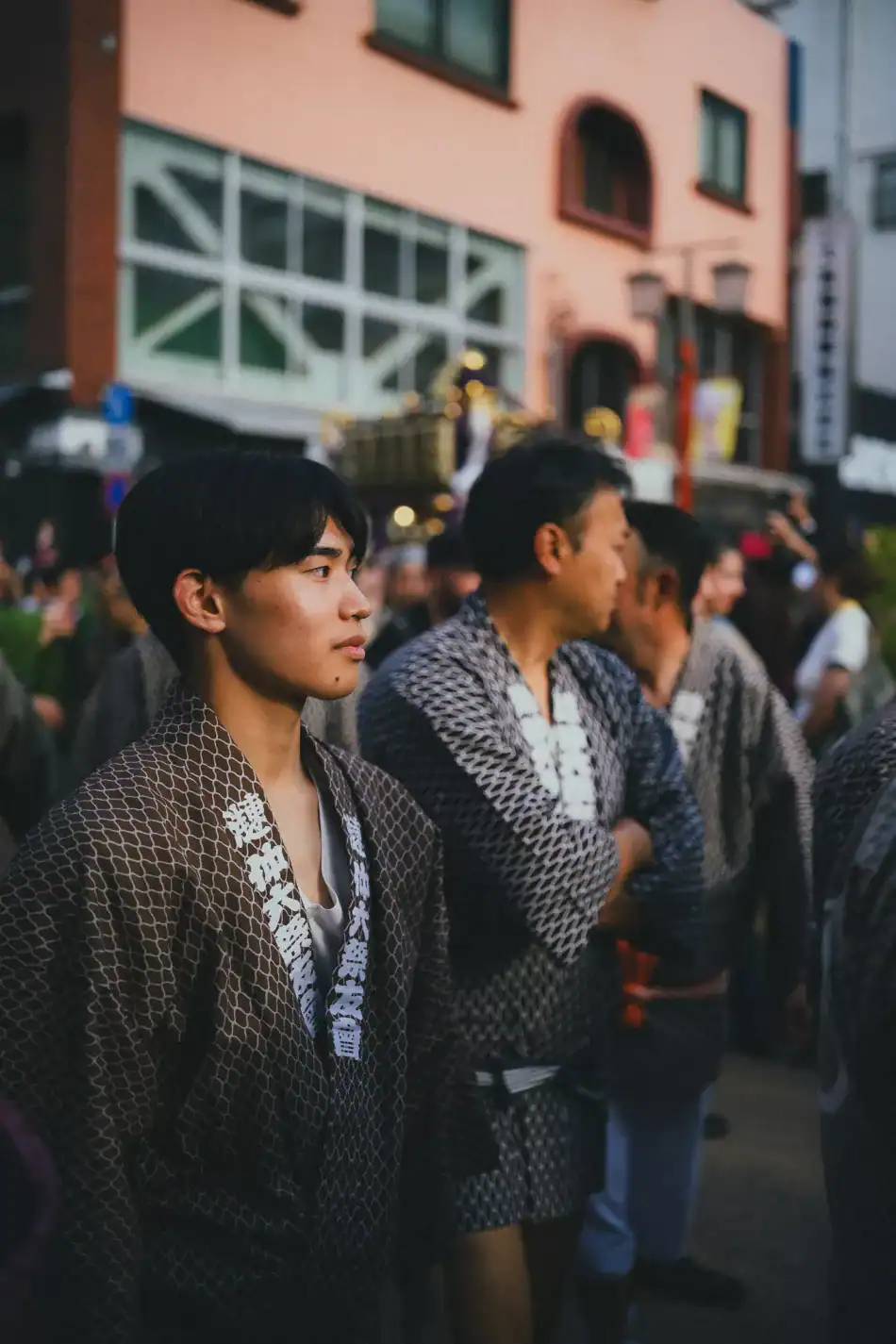
I approach festivals now with my eye firmly fixed on uncovering these bonds. There are moments when stoic Tokyoites (or Edokko, as they were once called) let their guard down, reignite the sparkle in their eyes, and enjoy an authentic moment of laughter with near strangers. There is a sense of pride in one’s community that surfaces in expressions and posture, speaking to others with the authority of having been born into a dozen generations of shitamachi residents. There’s the pleasure – and the pain – of bearing the weight of your neighborhood’s most important heirloom and chariot of a Shinto god.
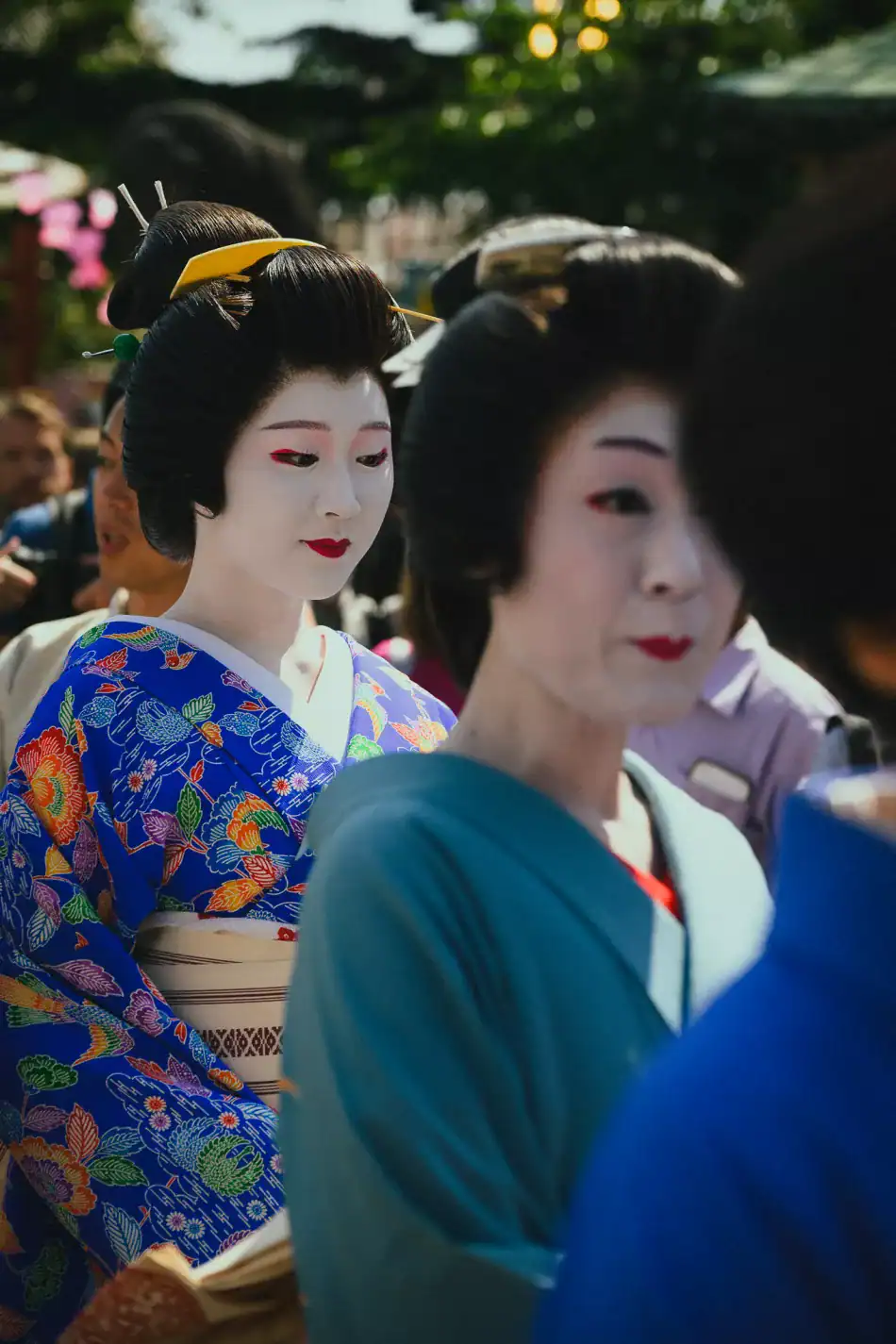
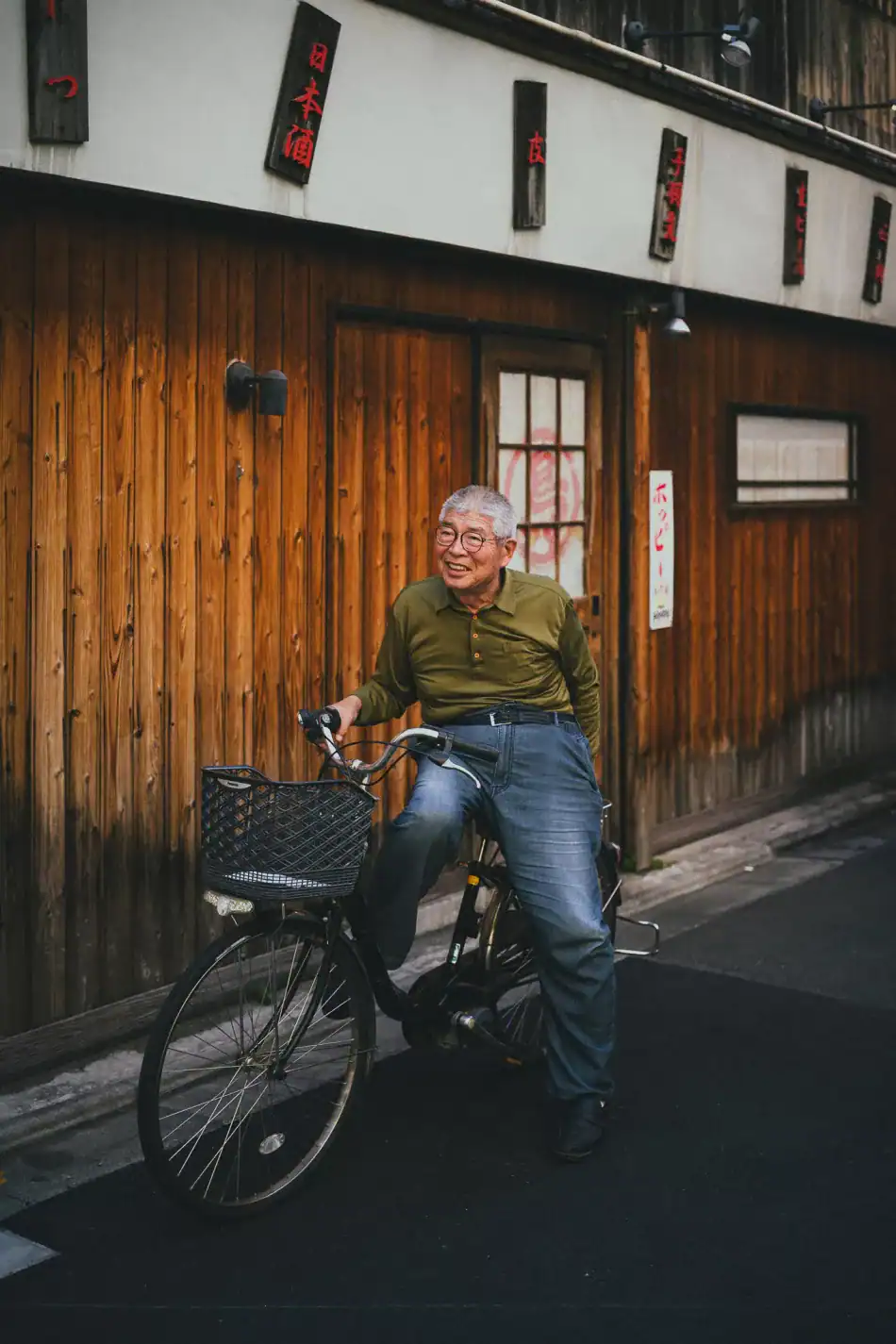
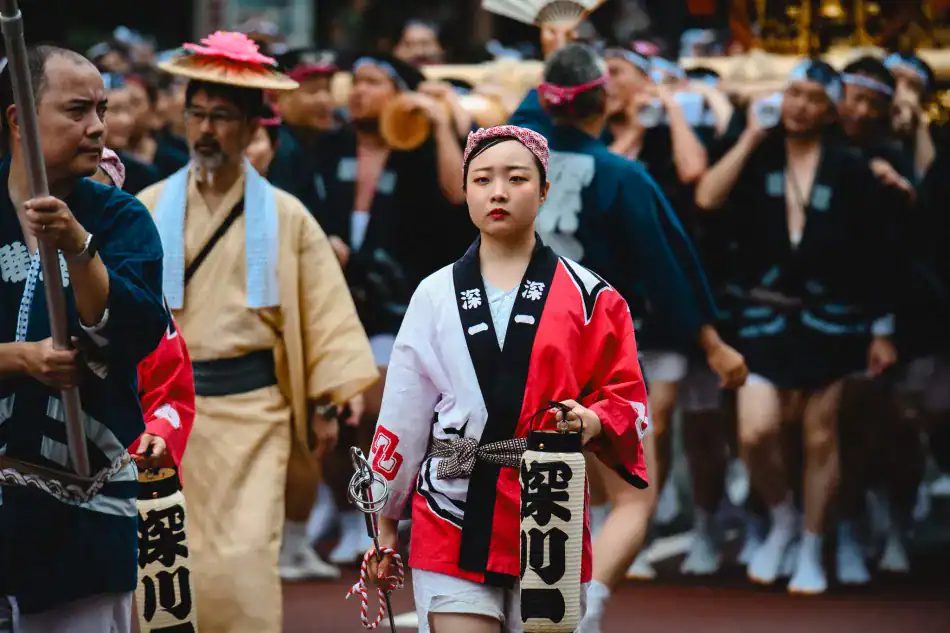
Here are a few of my favorite scenes from this year’s festivals, along with a description of the kind of down-to-earth folk you might see if you shift your focus from the main event to the people making it happen.
Faces of Tokyo’s Summer Festivals
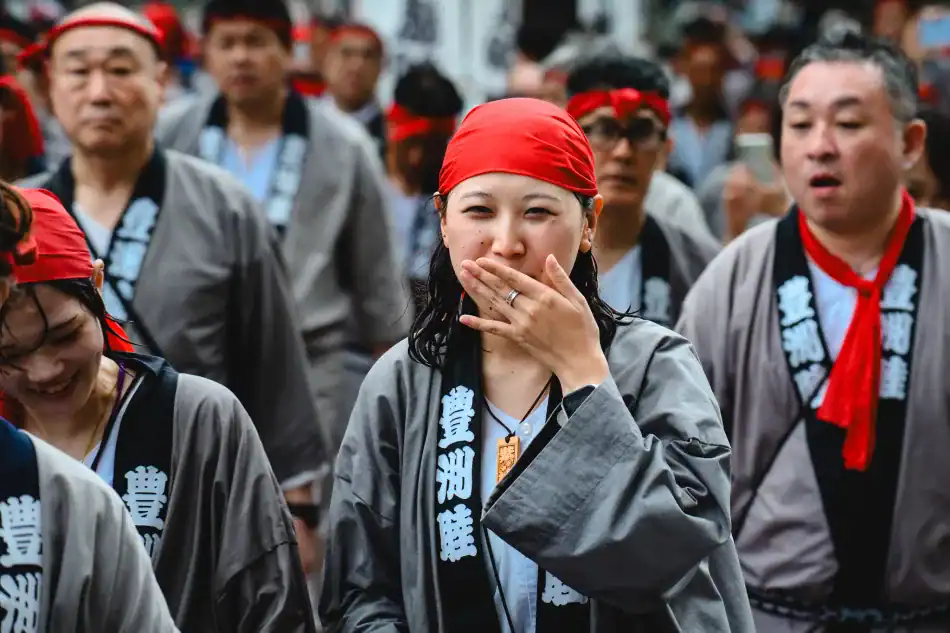
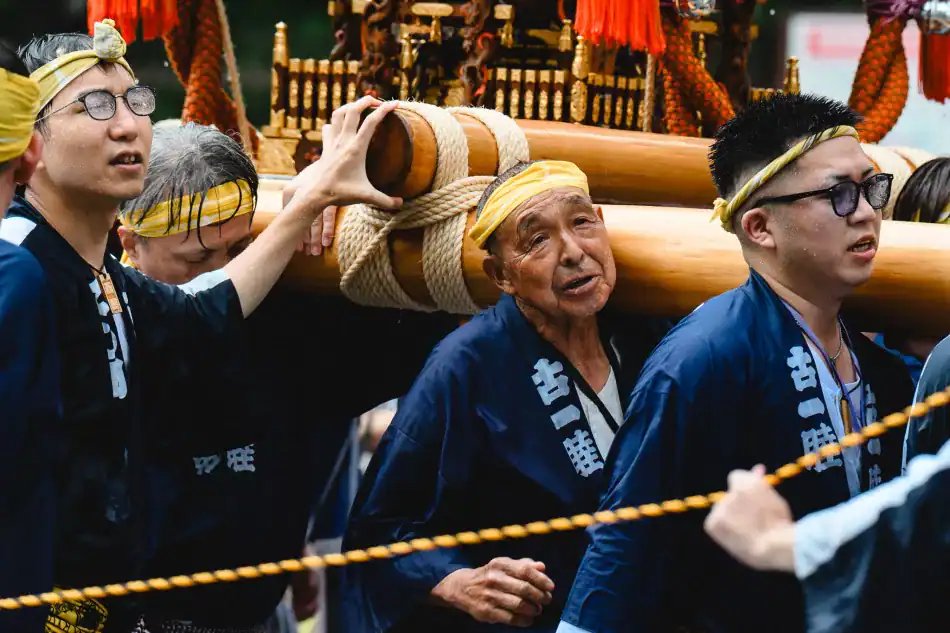
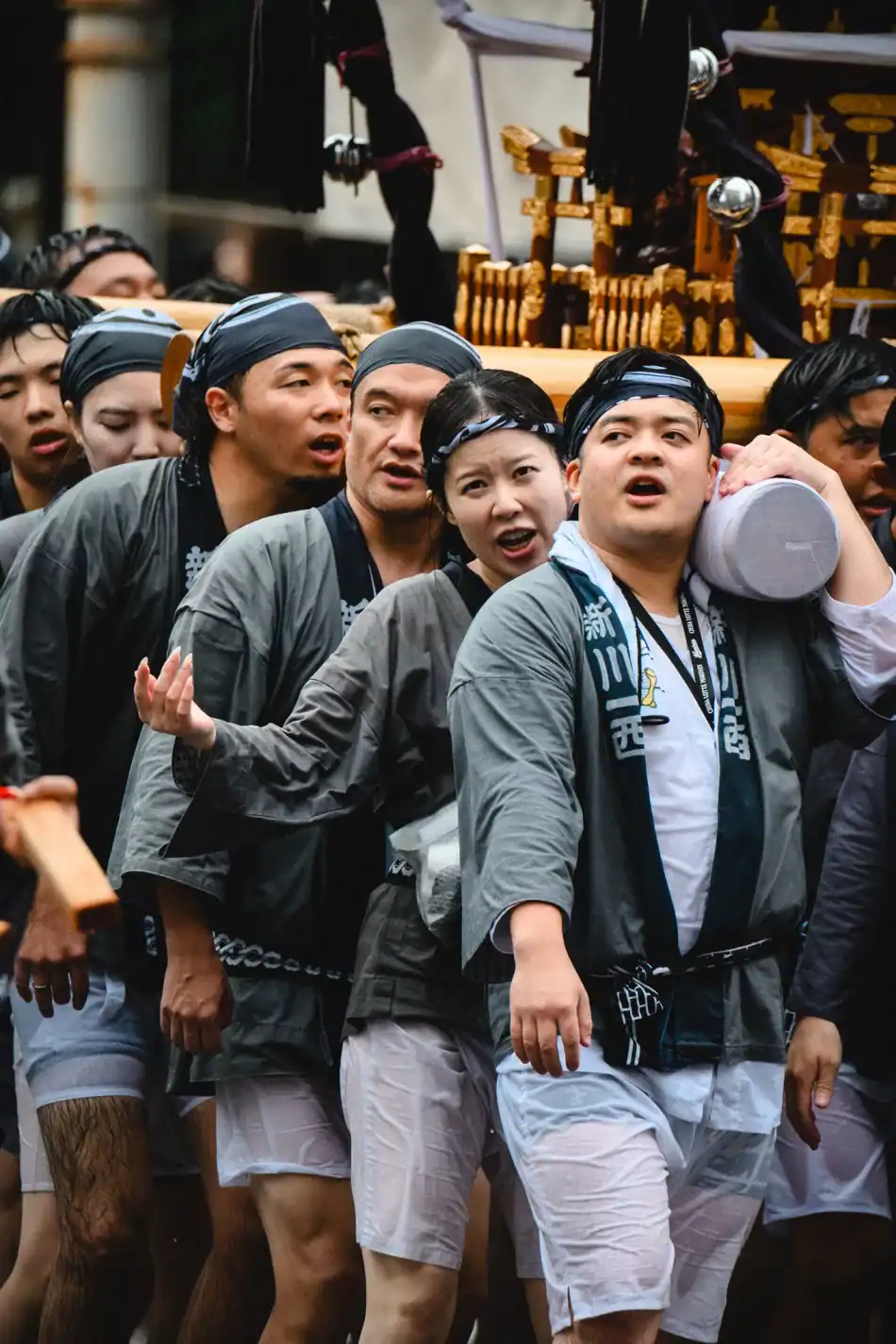
Wisdom and Youth. It takes the strong shoulders of the youth to bear the brunt of the mikoshi’s weight, but that doesn’t prevent men and women of an older generation from participating. Many of these elders have spent decades participating in the festivals and realize the number of festivals they have left in their lifetimes is dwindling. What a joy to see young and elderly people participating side by side in such an important role.
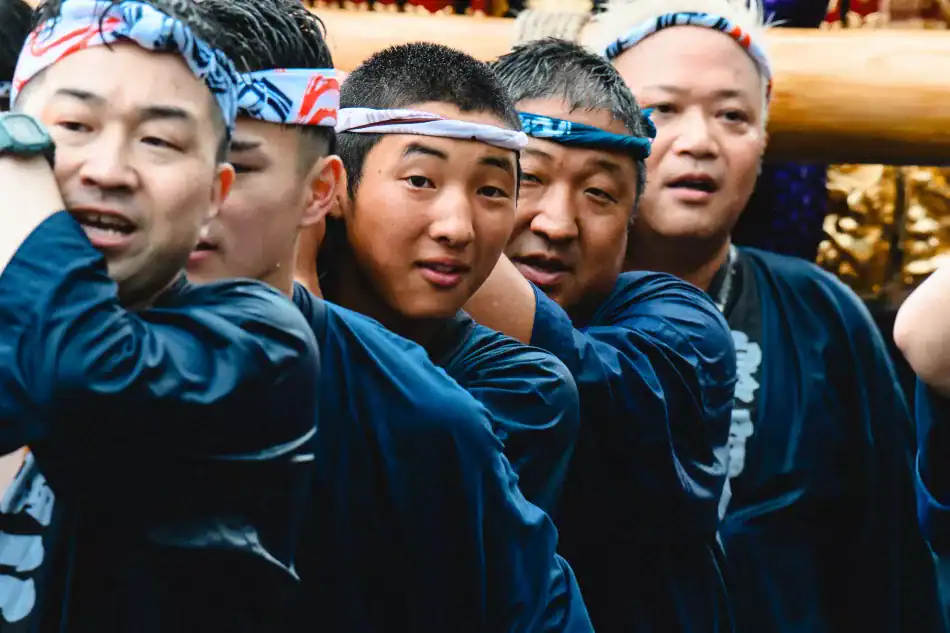
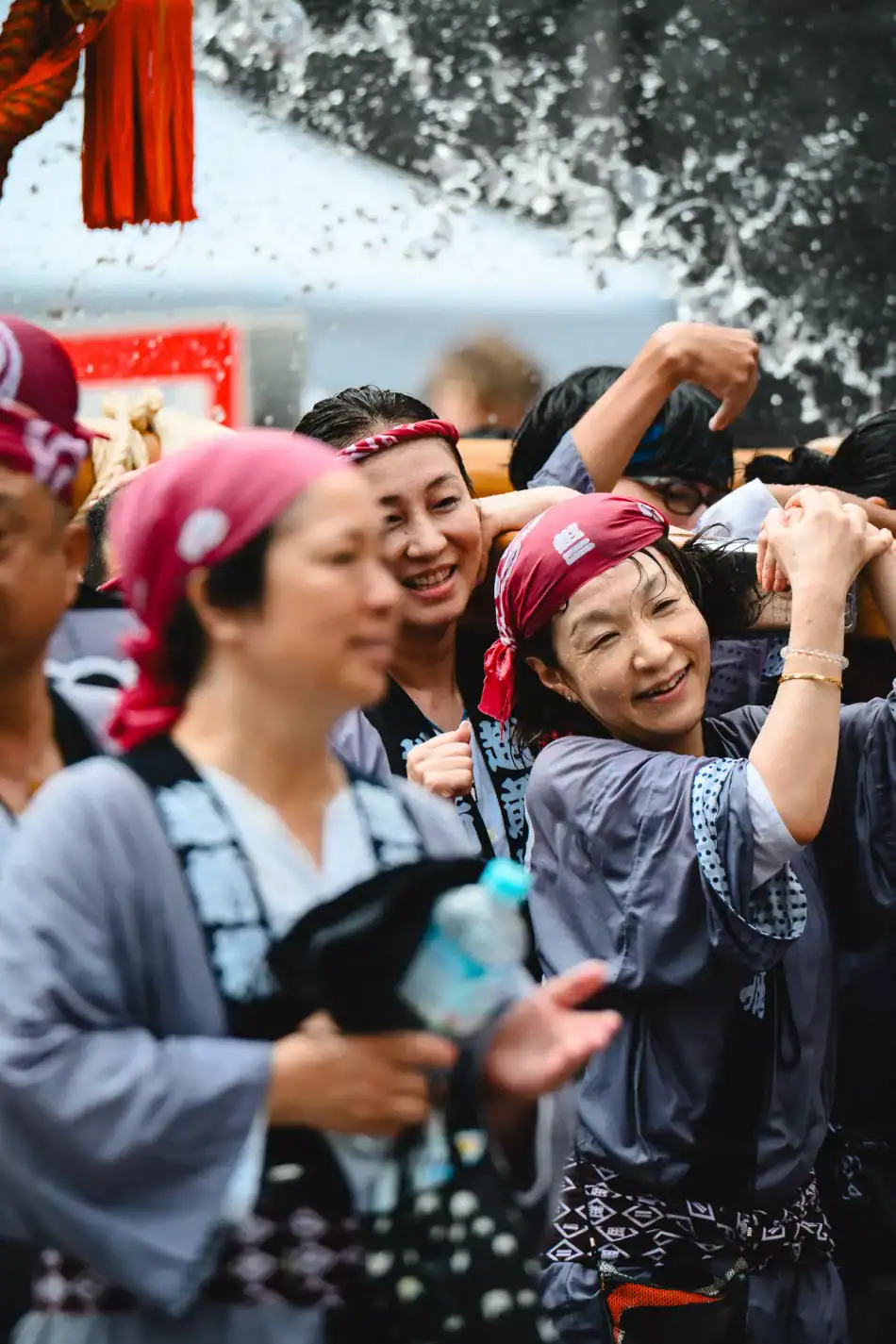
The X-Factor. Modern Shinto is patriarchal, so it isn’t a given that women can participate in rituals (with sumo being the strongest example against). Nonetheless, you won’t see much gender discrimination at these summer festivals where both men and women are invited to help carry the mikoshi. There are even some women-only mikoshi teams to be found if you look closely enough. In my observation, women seem to enjoy the work more than the men, with proportionally more smiles than grimaces.
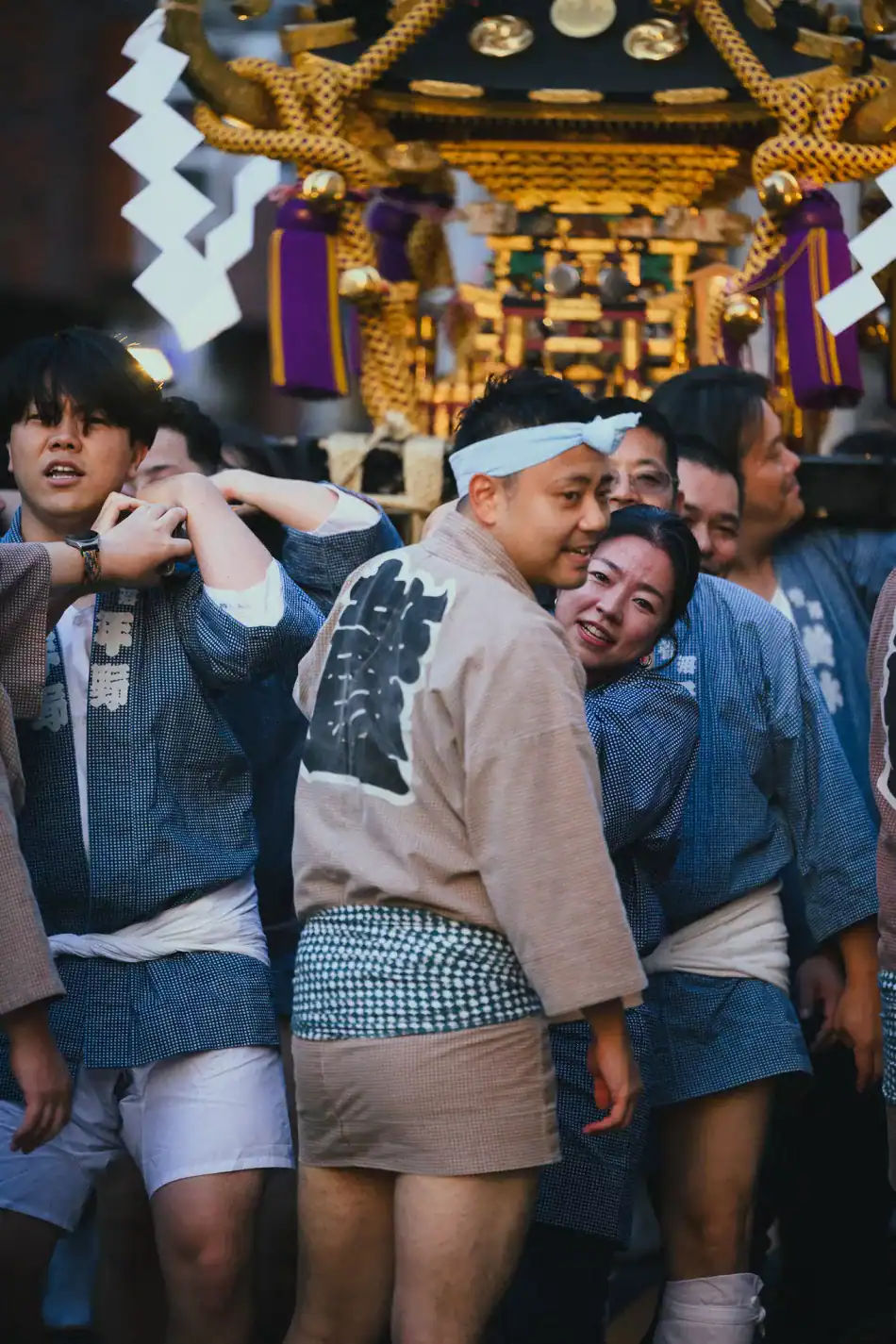
The characters. You think you’ve seen them before until you realize they actually resemble the faces from a manga you’ve been reading or anime you’ve watched on Netflix. The line between reality and fiction is always a blur when you scan the festival crowds.
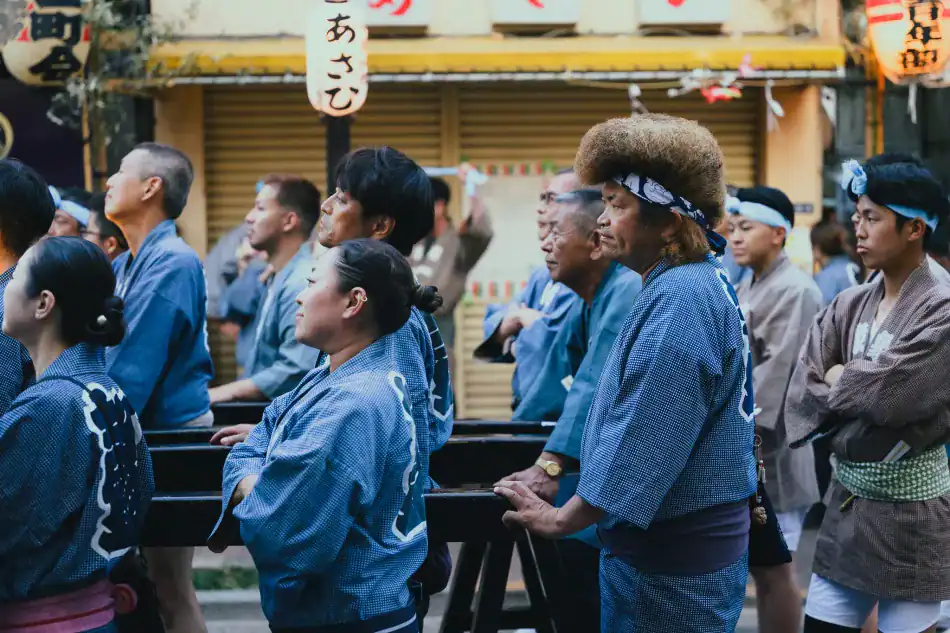
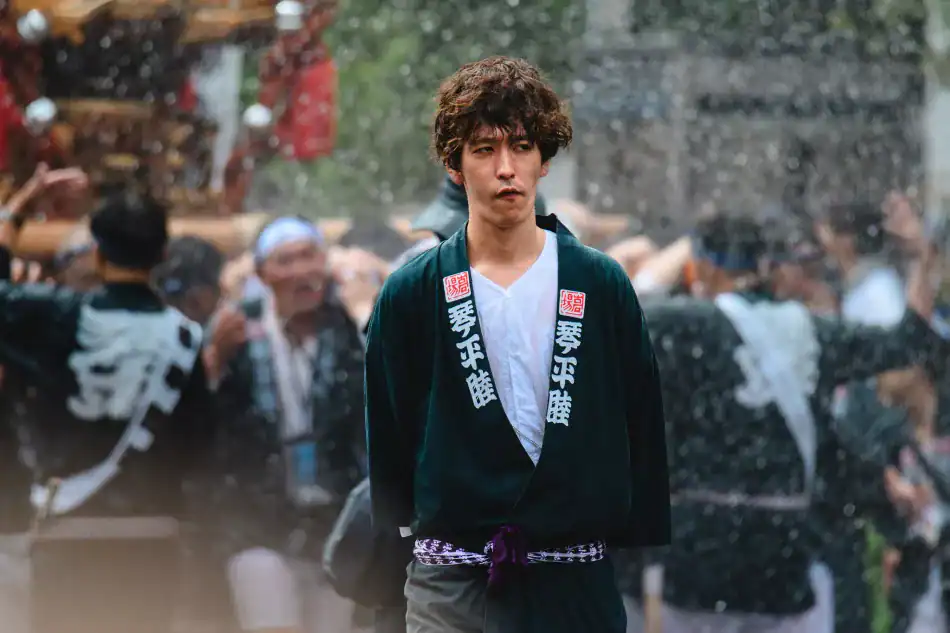
The Oyabun. Whether they are the true neighborhood leaders or just strut around looking like one for the day, these men (and they are typically men) are fun to photograph, especially when they break their tough-as-nails persona for a belly laugh among friends.
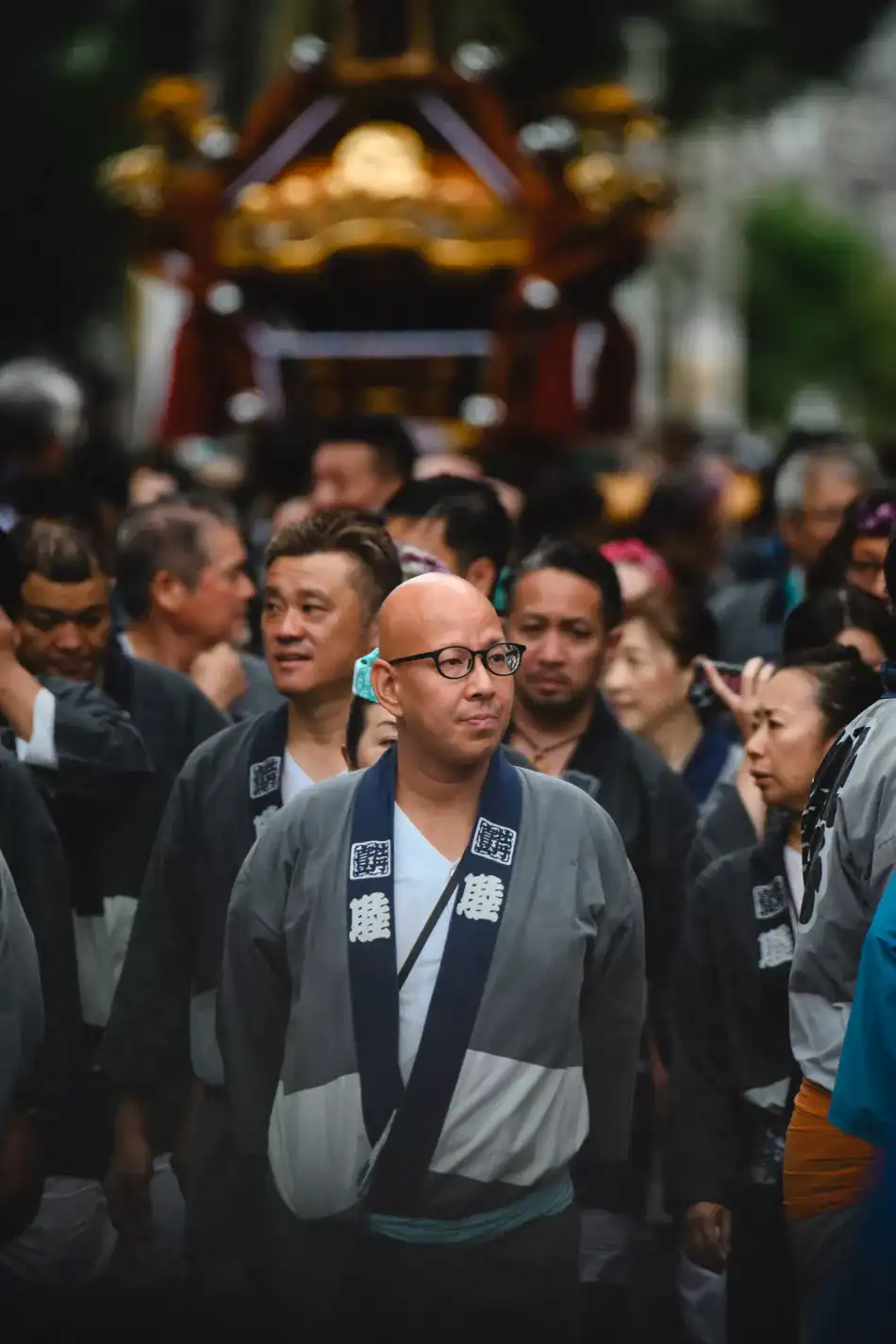
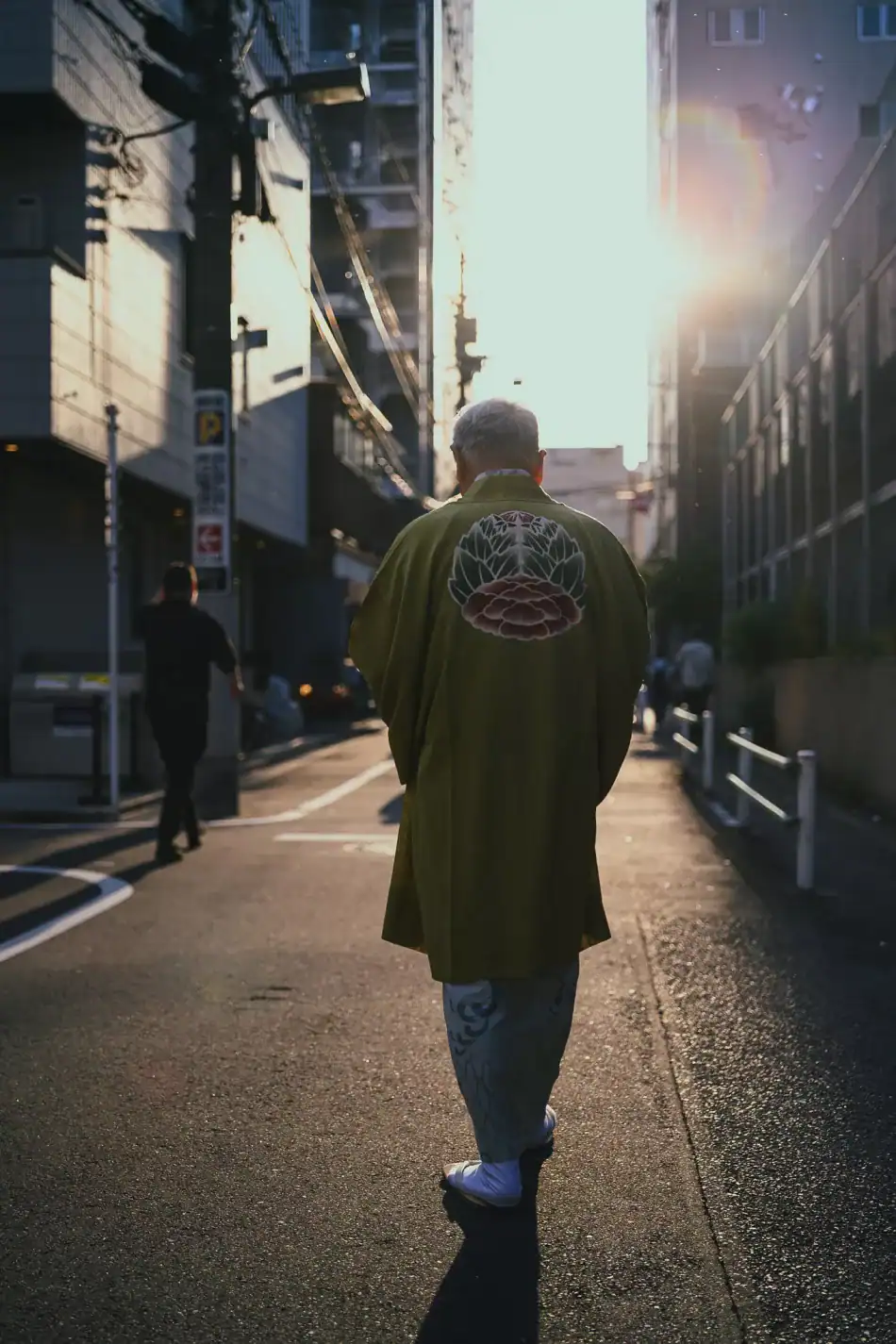
And the rest. Interesting characters are everywhere at the festival: from lead performers to faces in the crowd. Every festival is different in this way, and I never get tired of discovering how people participate in or spectate at Tokyo’s summer festivals.